Tell us about the job
Takes about a minute. No obligation.
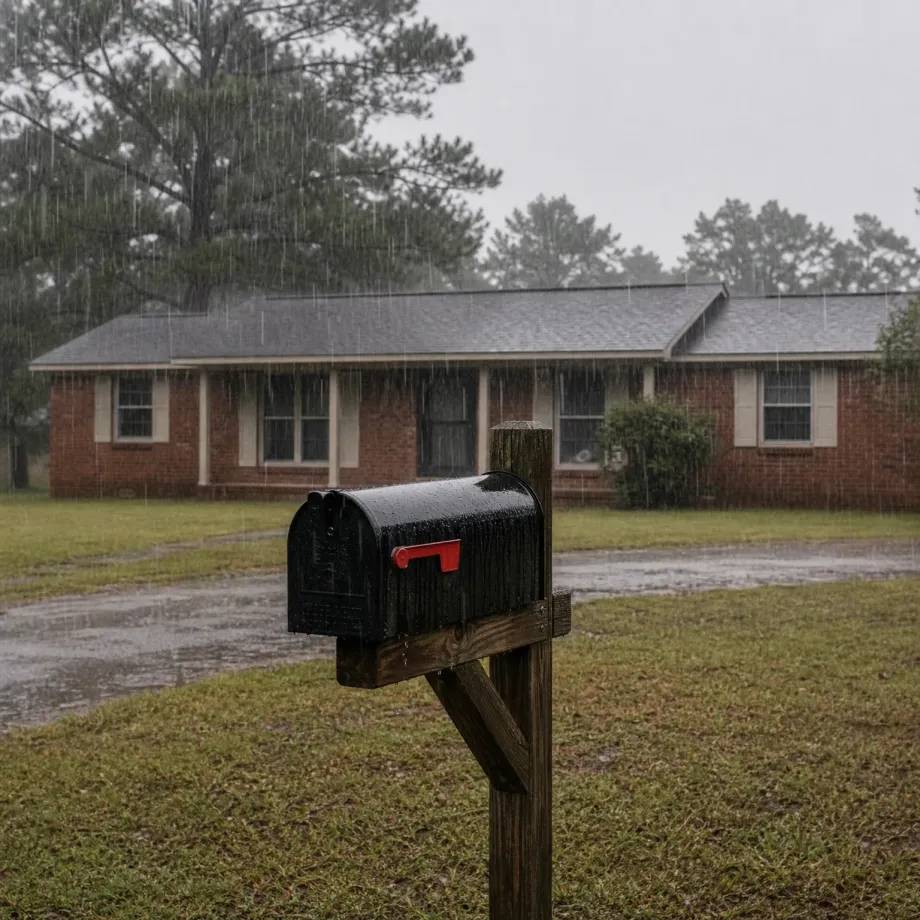
A contractor quoting a central AC repair in Stewart County has to settle one question before anything else: what actually wore this system out. 24 severe weather events were recorded in Stewart County, Georgia between 2015 and 2024. At that rate, severe weather is a real but infrequent presence, not a constant grind on the equipment. A compressor or capacitor that has failed here most likely failed from age or from years of deferred maintenance, and a thorough contractor prices the repair around what the opened unit shows, not around an assumption that the weather explains it.
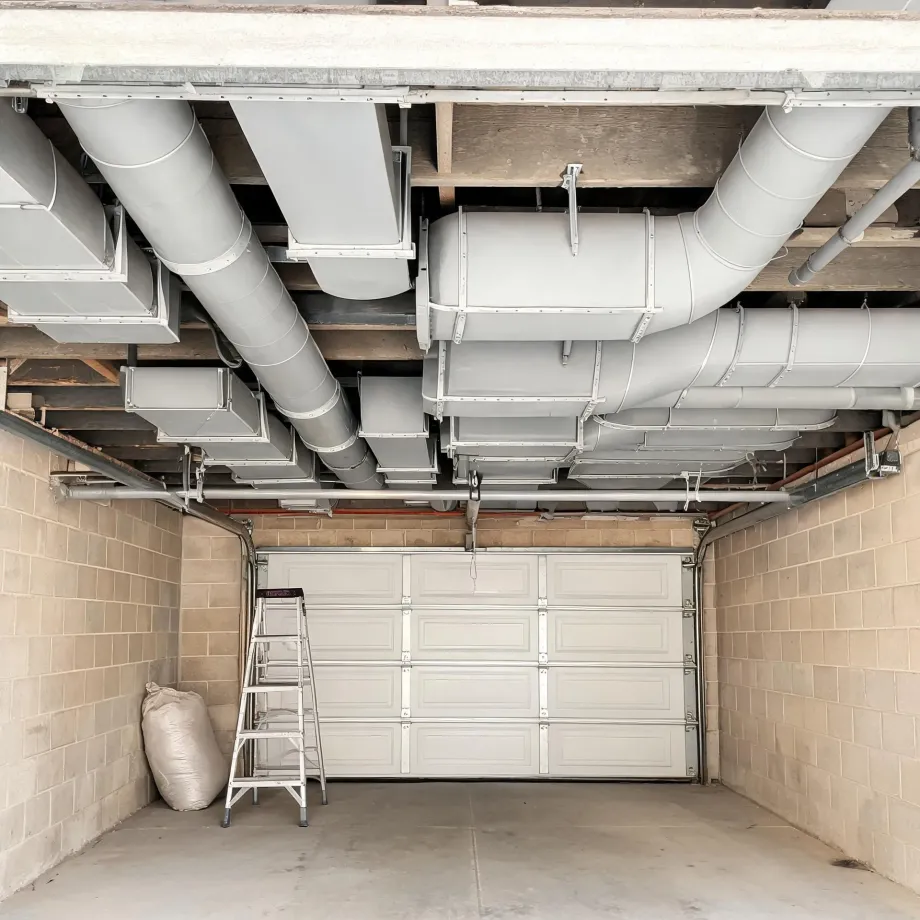
Ductwork and electrical lines put in for older equipment do not always match what a replacement system eventually demanded, and the seams in that history show up when a contractor opens a unit for repair. Half the homes in Stewart County, Georgia were built in 1987 or earlier (2020-2024 ACS 5-year). That span between original construction and current equipment is long enough that refrigerant lines, drain pans, and wiring runs have often been patched or rerouted at least once. A compressor swap or coil replacement in a house like this can expose connections and line sets that were never quite right for the system they ended up serving.
The Parts of a Central AC a Contractor Checks During Repair
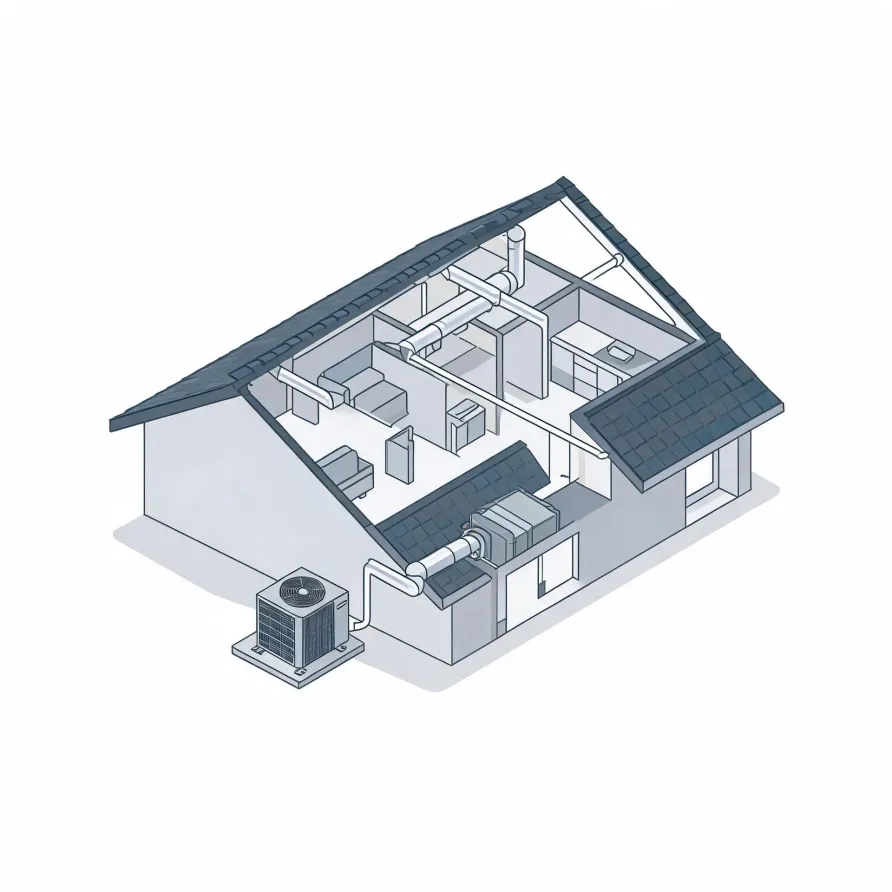
The outdoor unit holds the compressor and condenser coil. It sits on a pad outside the house and is the piece that sheds heat to the open air. When a system runs but fails to cool, or trips a breaker, or makes noise it did not used to make, the contractor starts here. The air handler sits inside, usually in a closet, attic, or utility room, and it holds the evaporator coil and the blower. A frozen coil, a weak blower motor, or a refrigerant problem typically shows up at one of these two points first.
The refrigerant lines run between the two units, carrying the charge that makes cooling possible. A contractor checks them for leaks and looks at the insulation on the suction line. The thermostat and the capacitors are smaller parts, but a failed capacitor is a common reason a system stops starting, and a miscalibrated thermostat can make the whole system seem broken when the fix is straightforward.
The drawing shows the general layout of a central AC system, and a licensed contractor determines which parts apply and what condition they are in for your particular home.
Get matched in Stewart CountyStewart County, by the numbers
24 severe weather events were recorded in Stewart County, Georgia between 2015 and 2024.
NOAA National Centers for Environmental Information, Storm Events Database, bulk CSV export, events 2015-01-01 through 2024-12-31.Half the homes in Stewart County, Georgia were built in 1987 or earlier (2020-2024 ACS 5-year).
U.S. Census Bureau, 2020-2024 American Community Survey 5-Year EstimatesStewart County, Georgia holds 2,105 housing units (2020-2024 ACS 5-year).
U.S. Census Bureau, 2020-2024 American Community Survey 5-Year EstimatesOwners occupy 58.9% of the occupied homes in Stewart County, Georgia (2020-2024 ACS 5-year).
U.S. Census Bureau, 2020-2024 American Community Survey 5-Year EstimatesCodes & Standards Behind Central AC Repair in Stewart County, Georgia8 sourced rules and standards
What HVAC Repair Looks Like in Stewart County
Split-system central air conditioners rated below 45,000 Btu/h manufactured on or after January 1, 2023 must meet a federal minimum of 13.4 SEER2.
Split-system central air conditioners rated at or above 45,000 Btu/h manufactured on or after January 1, 2023 must meet a federal minimum of 13.4 SEER2.
Split-system central air conditioners manufactured between January 1, 2015 and December 31, 2022 had to meet 13 SEER, the metric that preceded SEER2.
Single-package central air conditioners manufactured on or after January 1, 2023 must meet a federal minimum of 13.4 SEER2.
Space-constrained central air conditioners manufactured on or after January 1, 2023 must meet a federal minimum of 11.7 SEER2.
Federal efficiency standards for split-system central air conditioners and heat pumps are set on each certified combination of outdoor unit and indoor coil rather than on the outdoor unit alone.
Residential and light commercial air conditioning and heat pump systems assembled in the field, including mini-splits and unitary systems, may not be installed on or after January 1, 2025 using a refrigerant with a global warming potential above 700.
A field-assembled system whose specified components were all manufactured or imported before January 1, 2025 carries no installation compliance date under the refrigerant restrictions and may still be installed.
Severe Weather Events in Stewart County
Georgia's climate puts real strain on cooling equipment, and how hard a system works over its life is tied to what the weather outside actually does. Repair needs in Stewart County reflect local conditions, which is why the record below is part of the picture.
24 severe weather events, 2016–2024. Source: NOAA National Centers for Environmental Information, Storm Events Database.