









Profile view of a bearded man wearing a dark green baseball cap and a dark gray T-shirt against a plain light background.

Do you need a dehumidifier with AC in Georgia

Step 1 of 3: Equipment

Do I need a dehumidifier if I already have AC in Georgia?

Your AC cools the air and pulls out some moisture along the way, but in Georgia the humidity outside most days from May through September is high enough that the unit can't keep up on its own. You're running the AC and the house still feels sticky, or you notice it worst on mild days when the system barely runs at all. That's what brings most people to ask whether a dehumidifier is really a separate thing they need.

In most Georgia homes, yes, a dedicated dehumidifier does a job the AC can't finish on its own

An air conditioner removes humidity as a side effect of cooling, not as its main job. It only pulls moisture out while it's running long enough to cool the air, so on mild, overcast days when the thermostat is satisfied quickly, the unit shuts off before much humidity leaves the house. Georgia summers stay muggy even when the temperature itself isn't extreme, so the house can feel damp and sticky with the AC cycling normally. A dehumidifier tied into the ductwork or a standalone unit runs independent of the cooling cycle, pulling moisture out on its own schedule. For most homes here, that's the difference between a house that feels cool and one that feels cool and dry.

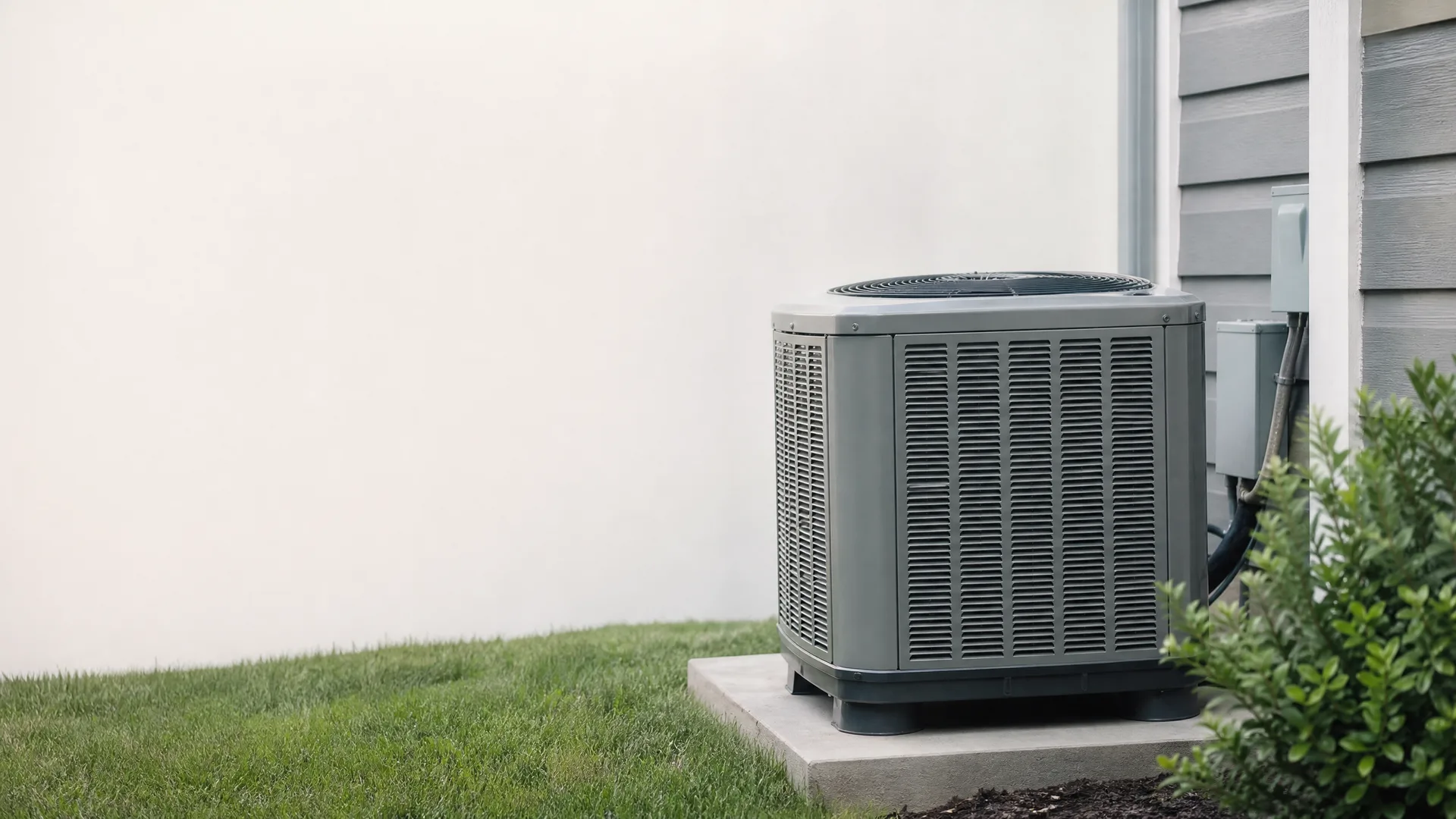
A gray outdoor air conditioner condenser unit on a concrete pad beside a house corner with lap siding and a stucco wall, surrounded by mown green grass.

Why your AC can't keep up

An air conditioner removes moisture as a side effect of cooling, not as its main job. On a mild day it runs long enough to pull a good amount of water out of the air. Once the house hits its set temperature, the unit shuts off, humidity or not. In Georgia, outdoor moisture builds back up fast, so the air inside can feel damp again within the hour even though the thermostat says the temperature is right.

An outdoor air conditioning condenser unit on a concrete pad beside a house with light stucco and lap siding, with mown grass to the left and a green shrub to the right.

What a whole-home unit does differently

A dehumidifier installed with your system runs on its own schedule, tied to a humidity level instead of a temperature. It keeps pulling moisture out of the air whether the AC is running or not, including overnight and on cooler days when the compressor barely cycles. That's the gap a thermostat alone can't close. A contractor who installs these in Georgia homes every summer can size one to your square footage and tie it into the ductwork correctly.

Power costs 14.74 cents per kilowatt-hour statewide

Georgia homes paid 14.74 cents per kilowatt-hour in 2025, close to the national average. That matters here because a dehumidifier running alongside your AC all summer adds to the bill, but it also means your AC isn't cycling on and off all day just to chase humidity it was never built to handle.

EIA-861 2025 statewide residential average

How a dehumidifier actually works

  • A whole-home dehumidifier ties into your ductwork and pulls moisture from the air your AC is already circulating.
  • The unit runs off a humidistat, a separate control from your thermostat, so it kicks on by moisture level, not temperature.
  • Moist air passes over a cold coil inside the unit, the water drains out through a condensate line, and the drier air goes back into your ducts.
  • Because it works independent of your AC's cooling cycle, it can pull moisture out even when the house has already hit its set temperature.
  • A contractor sizes the unit to your square footage and duct layout, since an undersized unit won't keep up and an oversized one cycles too often.
  • Most installs tie into the return duct near your air handler, so the existing ductwork does the work of moving dried air through the house.

A whole-home dehumidifier doesn't sit in a corner of a room. It ties directly into your ductwork, usually near the air handler, and shares the same ducts your AC already uses to move air through the house. Inside the unit, moist air passes over a cold coil. The water condenses there and drains out through its own condensate line, separate from your AC's drain. The drier air that's left gets pushed back into your return duct and circulates through the house the same way your cooled air does.

What makes it different from your AC is the control. Your thermostat reads temperature. The dehumidifier runs off a humidistat, which reads moisture in the air. That means it can switch on anytime the humidity climbs, whether or not your AC is running. On a day when your house hits 72 degrees by noon and your AC goes quiet for the rest of the afternoon, the dehumidifier keeps working if the air is still damp.

Getting the size right matters more than people expect. A contractor sizes the unit to your square footage and how your ducts are laid out. Too small and it never catches up on a muggy July afternoon. Too large and it short-cycles, turning on and off so often it wears out faster and doesn't dry the air evenly. The install itself leans on ductwork you already have, which is part of why it ties in near the air handler instead of needing a separate path through the house.

A gray-haired man in a dark sweater sits on a light gray sofa in a living room, looking toward a sunlit window with trees outside.
A gray-haired man in a dark blue sweater sits on a light gray sofa in a sunlit living room, looking off to the side, with a potted plant, shelving unit, and large glass doors behind him.
A bearded man with graying hair in a dark green sweater sits on a sofa in a living room, looking off to the side, with a sliding glass door and a dim kitchen doorway behind him.
A gray-haired man in a dark knit sweater sits on a light gray sofa in a living room, looking toward a sunlit window, with houseplants, a lamp, and framed art in the background.

No phone calls to make

One installer gets your project, so there's no bidding war over it.

You're not committing to anything by asking.

Running AC harder vs adding a dehumidifier

Some homeowners try to fix humidity by setting the thermostat lower, hoping the AC will run longer and pull out more moisture. It works, somewhat. The unit does stay on longer and does strip more water out of the air. But it also cools the house well below where you'd set it for comfort, and you're paying to move heat you didn't need to move. The air feels clammy even at 68 degrees if the moisture never gets pulled down with it. You end up running a system harder for a result it wasn't built to deliver on its own, and the indoor temperature swings wider than it should to get there.

What a dehumidifier handles instead

A whole-home dehumidifier takes on moisture as its only job, so it doesn't need your thermostat set low to do it. It runs on its own schedule, tied to a humidistat, and pulls water out of the air whether the AC is cycling or sitting idle. That means the house can sit at a normal summer setting, 75 or 76 degrees, and still feel dry instead of sticky. Georgia installers who work on these year after year size the unit to the house rather than guess, since too small a unit runs constantly and too large one short-cycles. Getting that sizing right is the difference between a system that solves the problem and one that just adds another box to the ductwork.

A woman with shoulder-length brown hair wearing a beige knit cardigan sits in a gray upholstered armchair near a window, looking off to the side with a slight smile, with bookshelves blurred in the background.
A woman and a child wrapped together in a knitted gray blanket on a couch, with the child's head resting on her shoulder and a lit table lamp and houseplant in the background.
A single-story red brick house with a white door and three white-framed windows, fronted by an asphalt parking area with sun flare, surrounded by green deciduous trees under a bright hazy sky.

A dew point of 68°F is what Georgia summers average across June, July and August, measured by NOAA. That's the number that tells you how heavy the air feels, more than the temperature does. At 68°F your skin stops evaporating sweat as fast, so the house feels warmer than the thermostat says, and the air near your vents can feel damp even when the AC just ran. You'll notice it most in rooms the AC doesn't reach well, like a basement or a back bedroom, where things can feel clammy even on a day that isn't that hot.

NASA POWER T2MDEW county cells weighted by homes

An outdoor air conditioning condenser unit on a concrete pad beside a house with horizontal lap siding, with a gray electrical disconnect box and conduit on the wall, mulch bed and shrub to the right, and mown grass in the foreground.
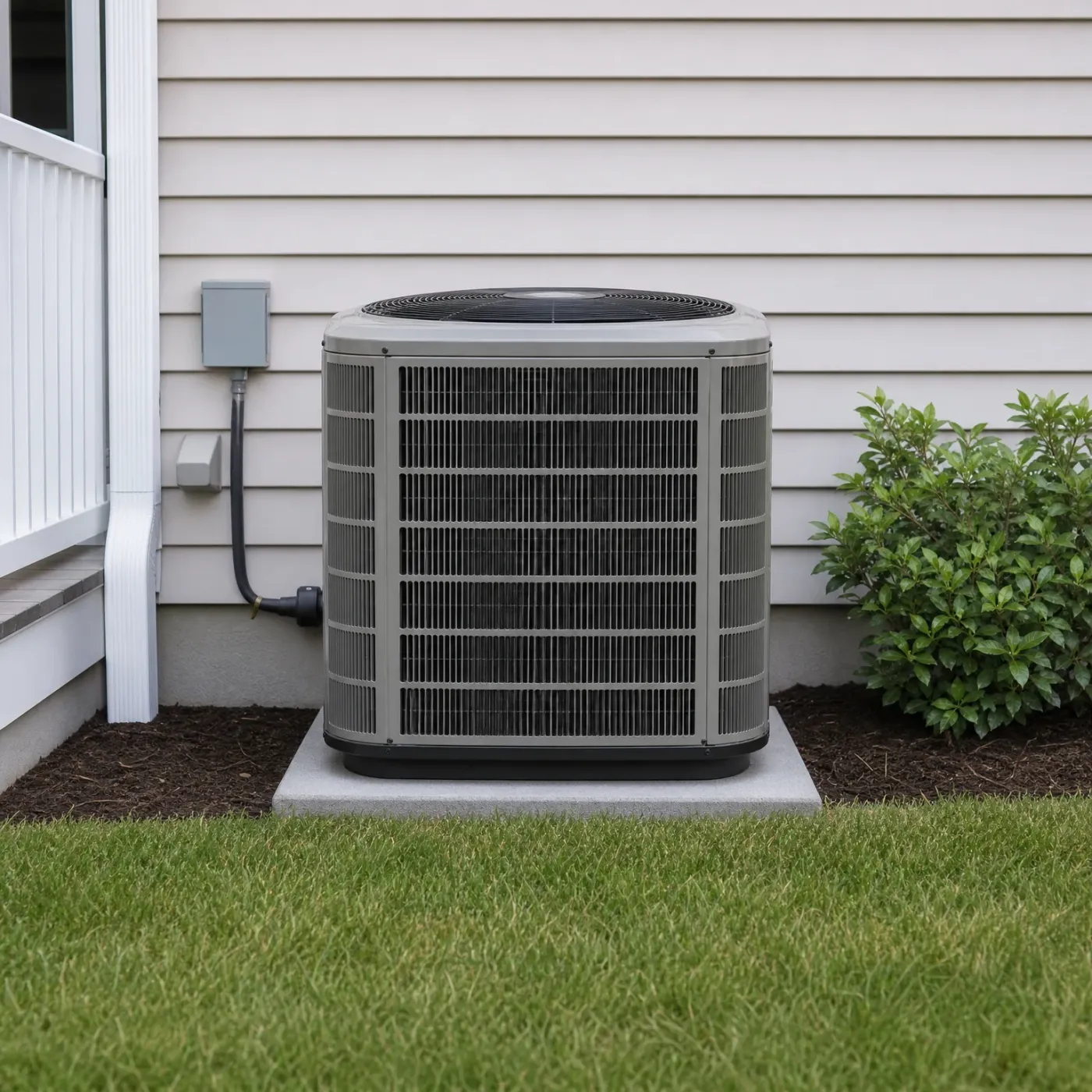
A clean condenser like this one can move the air across its coil the way it's supposed to, so it keeps pace with the heat.
An outdoor air conditioning condenser unit on a concrete pad beside a house with light blue horizontal siding, with a shrub to the left and a conduit and disconnect box on the wall to the right.
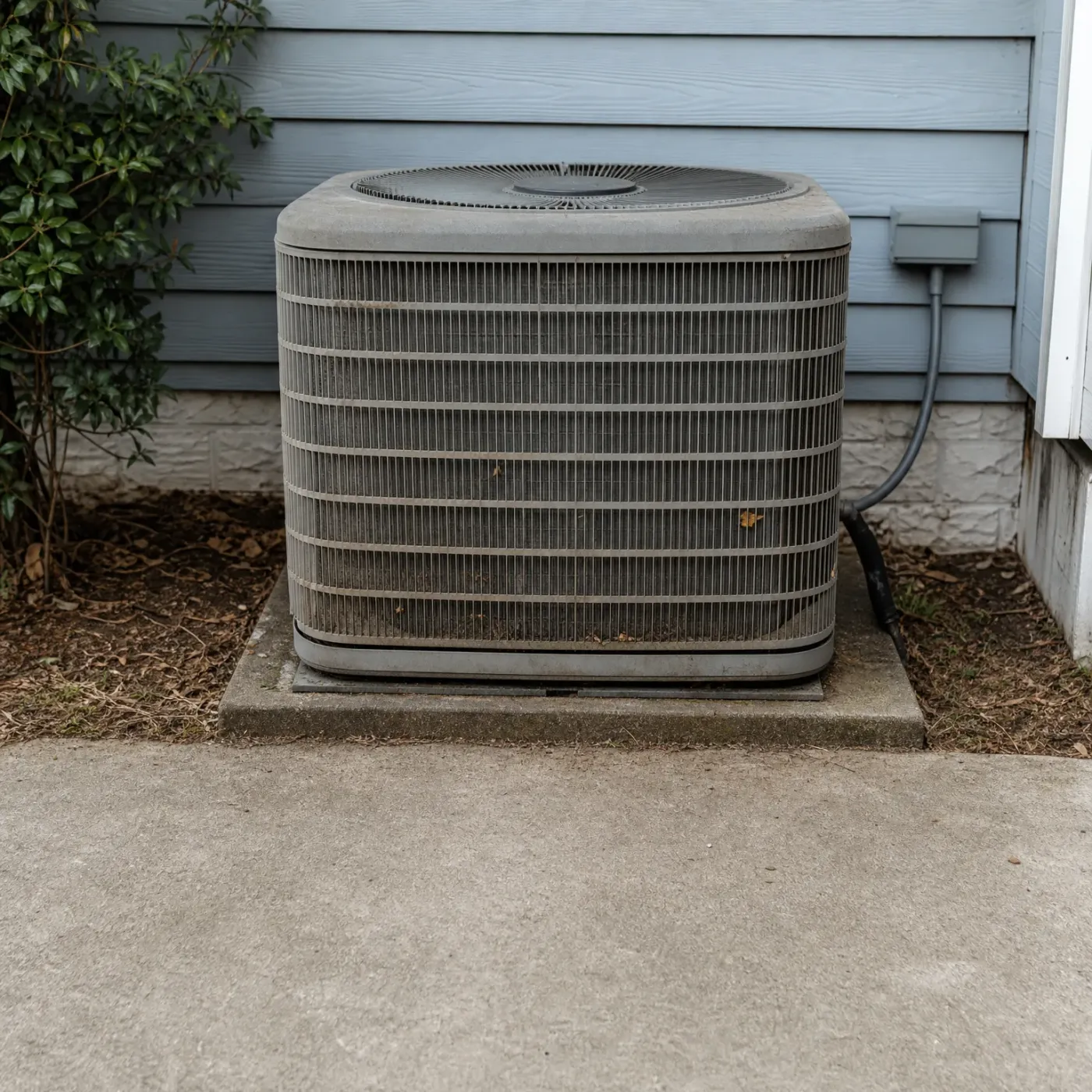
When the coil is packed with dust like this, the unit struggles to shed heat and runs longer just to keep up, let alone pull moisture.
  1. Humidistat reads the air and calls for moisture removal.

  2. Moist air from the ducts passes over a cold coil.

  3. Water condenses out and drains away through a dedicated line.

  4. Drier air returns to the duct system and mixes with the AC's airflow.

Portable Fix or Whole-Home Fix

Portable unit

  • You buy it at a hardware store and plug it into an outlet, no ductwork involved.
  • It only treats the one room it sits in, so the rest of the house stays muggy.
  • You empty the tank yourself, often daily, or run a hose to a drain if the unit allows it.
  • It sits on the floor and takes up space, and the hum is noticeable in a quiet room.
  • Nothing ties it to your AC, so the two units aren't working off the same read of the air.

Whole-home system

  • A licensed contractor ties it into your ductwork so it treats air across every room your AC serves.
  • It runs off its own humidistat, working alongside your AC instead of you having to manage a separate box.
  • Water drains away on its own through a dedicated line, no tank to empty.
  • Sizing it to your square footage and duct layout takes someone who installs this equipment regularly and knows what Georgia humidity asks of it.
  • Once it's in, it stays out of sight and out of the way, running in the background all summer.
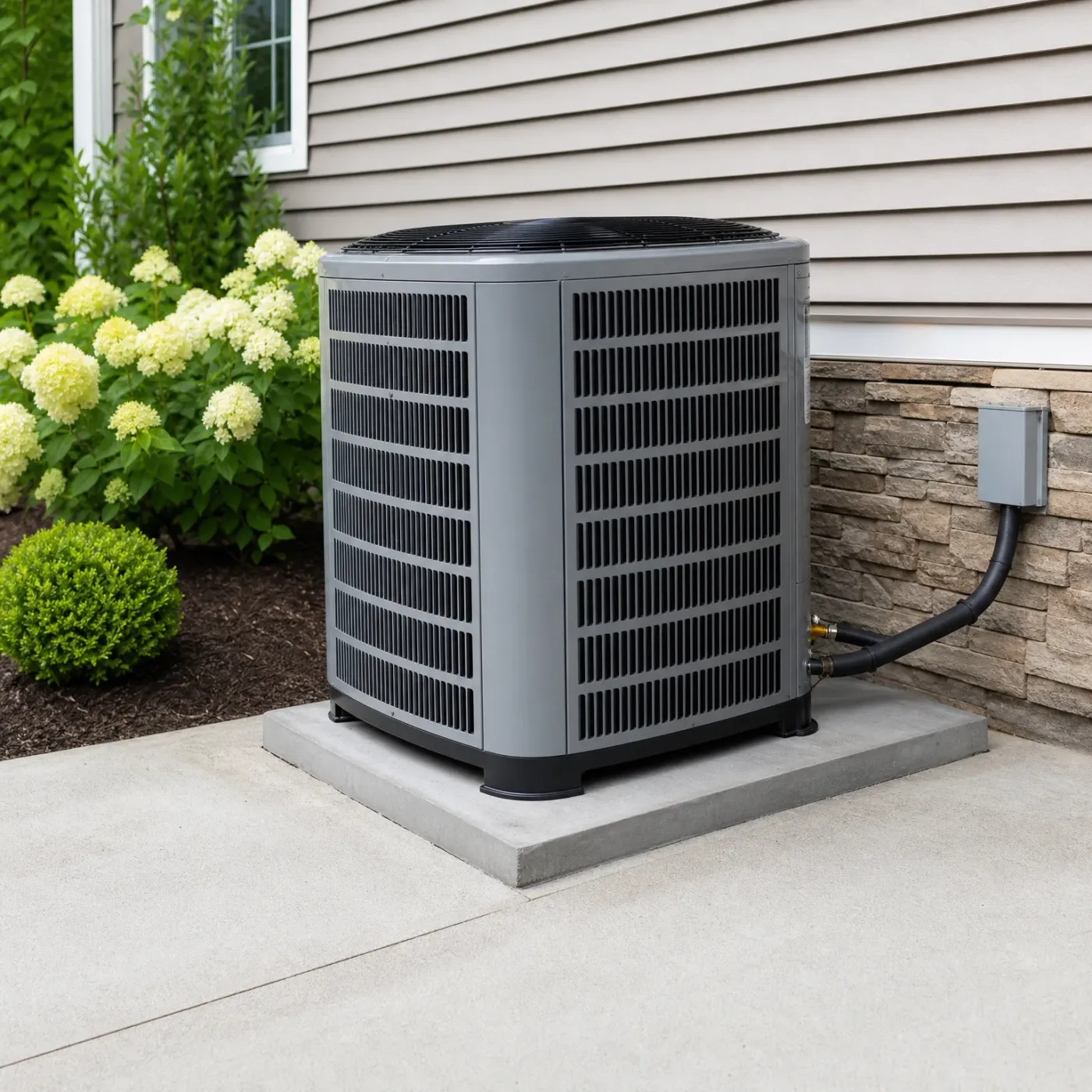
A gray outdoor air conditioning condenser unit on a concrete pad beside a house with horizontal siding and a stone veneer base, with refrigerant line and electrical disconnect box on the wall and flowering shrubs to the left.

AC keeping up

This unit sits clean on its pad, lines running straight into the wall. Air moves through the coil the way it should, so the house cools on schedule and some moisture comes out with it. On a day like this, the AC and the air inside are in balance.
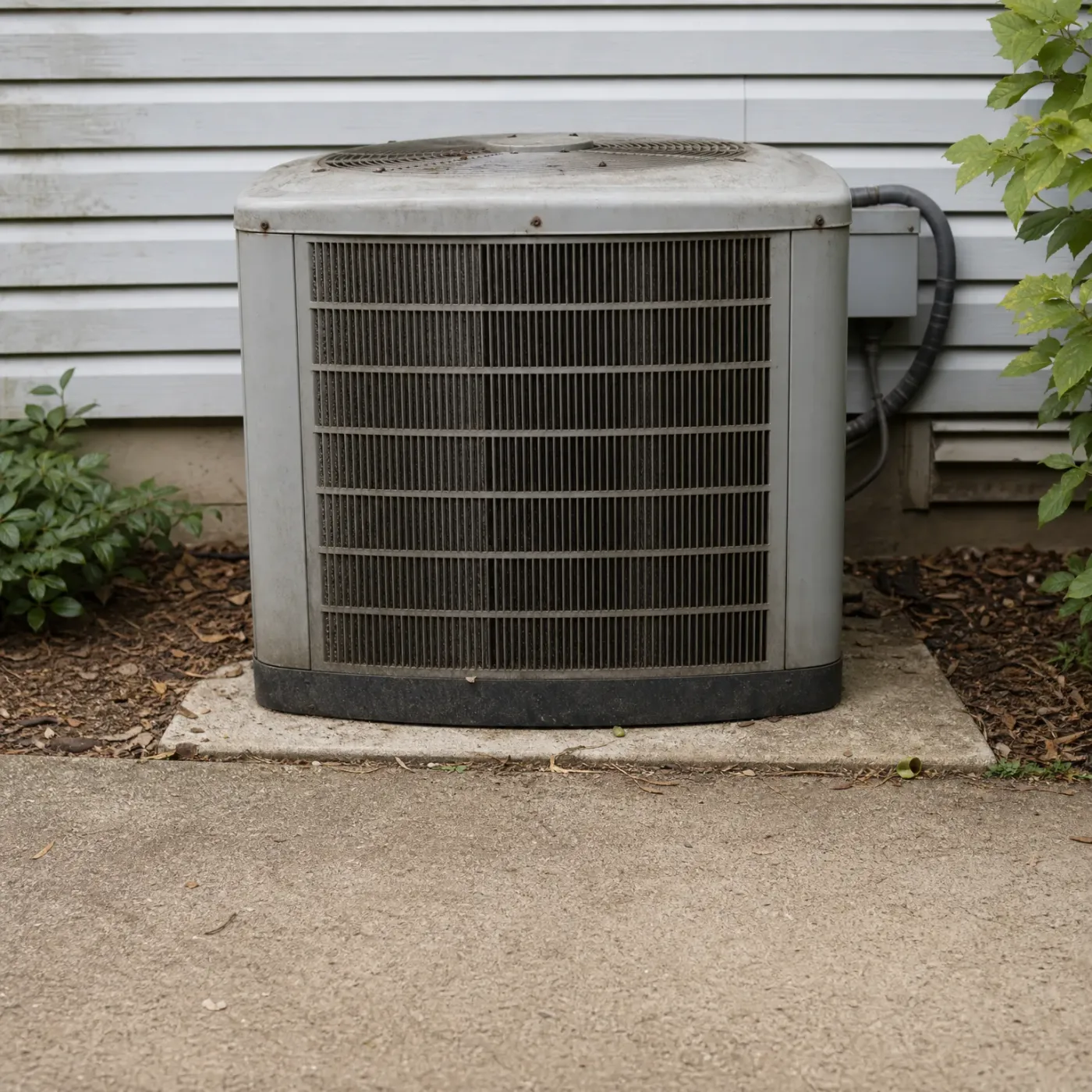
An outdoor air conditioner condenser unit on a concrete pad beside a house with light gray horizontal siding, with mulch and green shrubs on either side and a concrete walkway in the foreground.

AC falling behind

Dirt and weathering like this slow the coil down, so the unit runs longer to hit the same temperature. It still cools the house, but moisture removal is the first thing to suffer when a system is straining. A dehumidifier picks up what a labored coil like this can't.

So yes, most homes in Georgia need more than AC alone to handle the humidity, especially from May through September when the dew point sits around 68°F. The AC handles temperature. A whole-home dehumidifier handles the moisture the AC leaves behind once the house hits its set point and shuts off. If your coil is clean and the system is sized right, pairing the two means neither has to work overtime to make up for the other. Getting this installed right means tying a new unit into your ductwork and drain line correctly, work that depends on someone who sees this exact setup in Georgia homes all summer and knows how it should drain, where it should sit, and what typically goes wrong when it's installed wrong. A local, licensed contractor who does this routinely in homes like yours can look at your system and tell you straight whether you need one, and size it for your house instead of guessing. You'd be working with one contractor on this, not fielding calls from several companies trying to win the job.

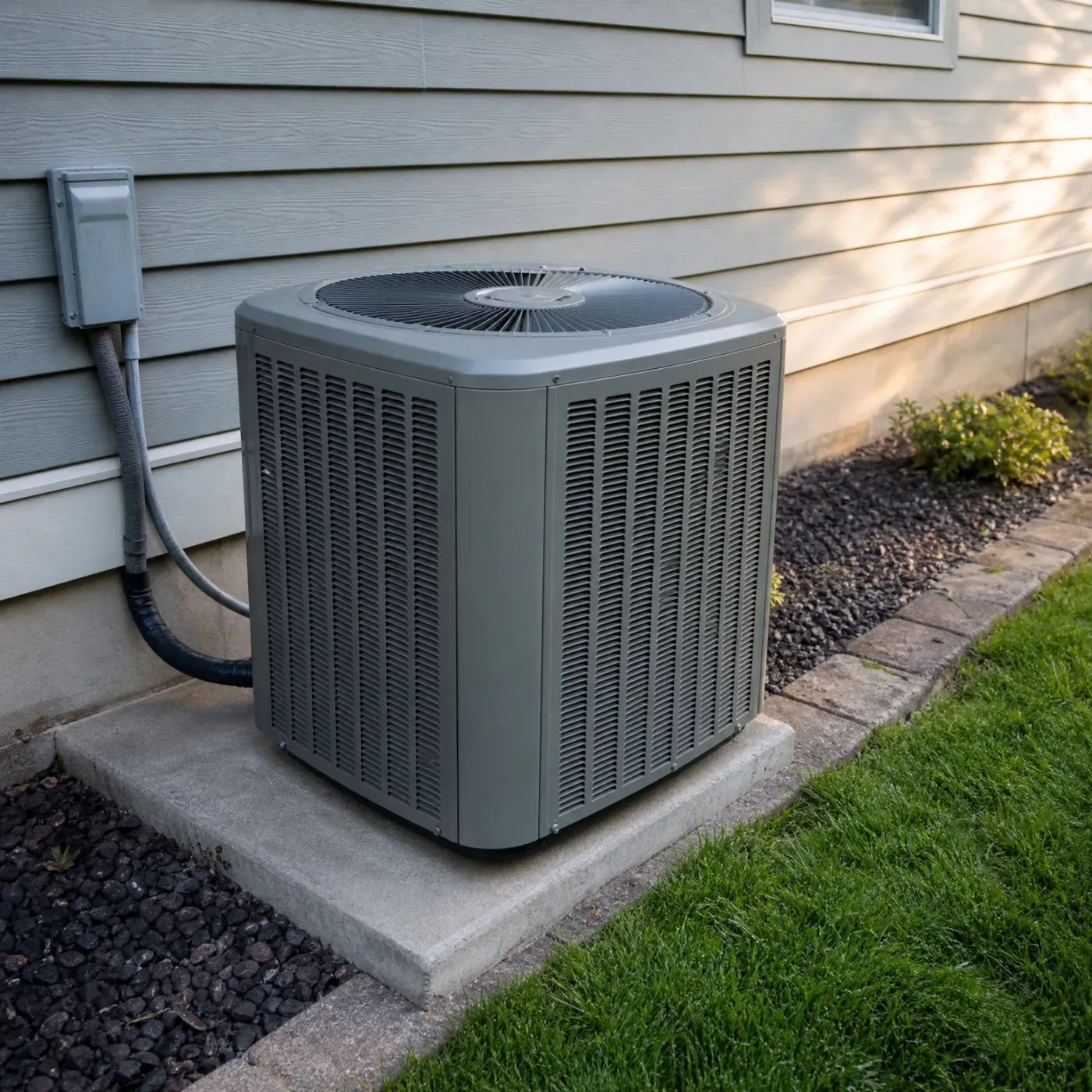
A gray outdoor air conditioning condenser unit on a concrete pad beside a house with horizontal lap siding, with a wall-mounted disconnect box and conduit, lava rock mulch, a shrub, and grass nearby.

One form, no calling around

Describe it once

Your request stays with one local pro.

It costs nothing to send, and you don't have to hire anyone.