







How to get your AC ready for a Georgia summer

After you send the request, you're done searching.

Hand off the search

What should I do to get my AC ready for summer in Georgia?

You're thinking about this before the heat sets in, not after the AC quits in July. Maybe it struggled a little last August, or maybe it ran fine and you just want it to stay that way. Either way you'd rather handle it now, while there's still time to get someone out, than wait until the first 95 degree day when every AC company in the state is backed up.

Have it serviced before the weather turns hot

A maintenance visit before the heat sets in catches the small things that cause breakdowns once your AC is running nonstop. A contractor checks the refrigerant charge, cleans the condenser coil outside, and tests the capacitor and electrical connections, the parts that wear down over a Georgia summer of near-constant use. Dirt on the coil makes the system work harder to move heat outside, and a weak capacitor can leave the compressor struggling to start on the first truly hot day. Catching either one in spring means a quick fix now instead of a no-cool call in August, when humidity makes the house feel far worse than the thermostat number suggests.

A smiling man in a navy long-sleeve shirt sits at a wooden table in a kitchen and dining area, with a ceramic mug, a potted plant, and a sliding glass door behind him.
A smiling bearded man in a green henley shirt stands at a kitchen island with a gray mug, looking off to the side, with a dining area and shelves blurred behind him.
A smiling bearded man in a navy sweater sits at a white kitchen island with a ceramic mug, with open shelves, potted plants and a range hood behind him.
A smiling man in a dark olive long-sleeve shirt sits in a kitchen beside a counter with a dark mug, with a dining table, sideboard and hallway visible in the blurred background.

Tune-Up Now or Wait It Out

Tune-up now

  • A contractor checks the refrigerant charge while the system is idle, before a hot stretch forces it to run nonstop.
  • Cleaning the outdoor coil now means it can actually shed heat once Georgia humidity sets in.
  • Catching a weak capacitor or a cracked contactor in March means a part swap, not an emergency call in August.
  • The condensate drain gets cleared before the first muggy week, so you're not finding water on the floor during a heat wave.
  • A contractor who works on this equipment every spring knows which parts fail first in this climate and checks those first.
  • You're free to deal with whatever turns up on your schedule, not whenever a part finally gives out.

Wait it out

  • The AC keeps running until something fails, and in Georgia that usually means mid-summer, when it's working its hardest.
  • A dirty coil or low charge makes the system run longer to cool the same house, and electricity here isn't free.
  • If the unit quits in July, you're calling around for whoever can come out soonest, not necessarily who knows your equipment best.
  • A small refrigerant leak or a failing capacitor gets worse under load, so the eventual fix is often bigger than it would have been in spring.
  • Humidity problems inside the house, musty air, damp floors, tend to show up right when you need the AC working hardest.
  • There's no cost until something breaks, but no warning either, so you find out on the hottest day of the year.
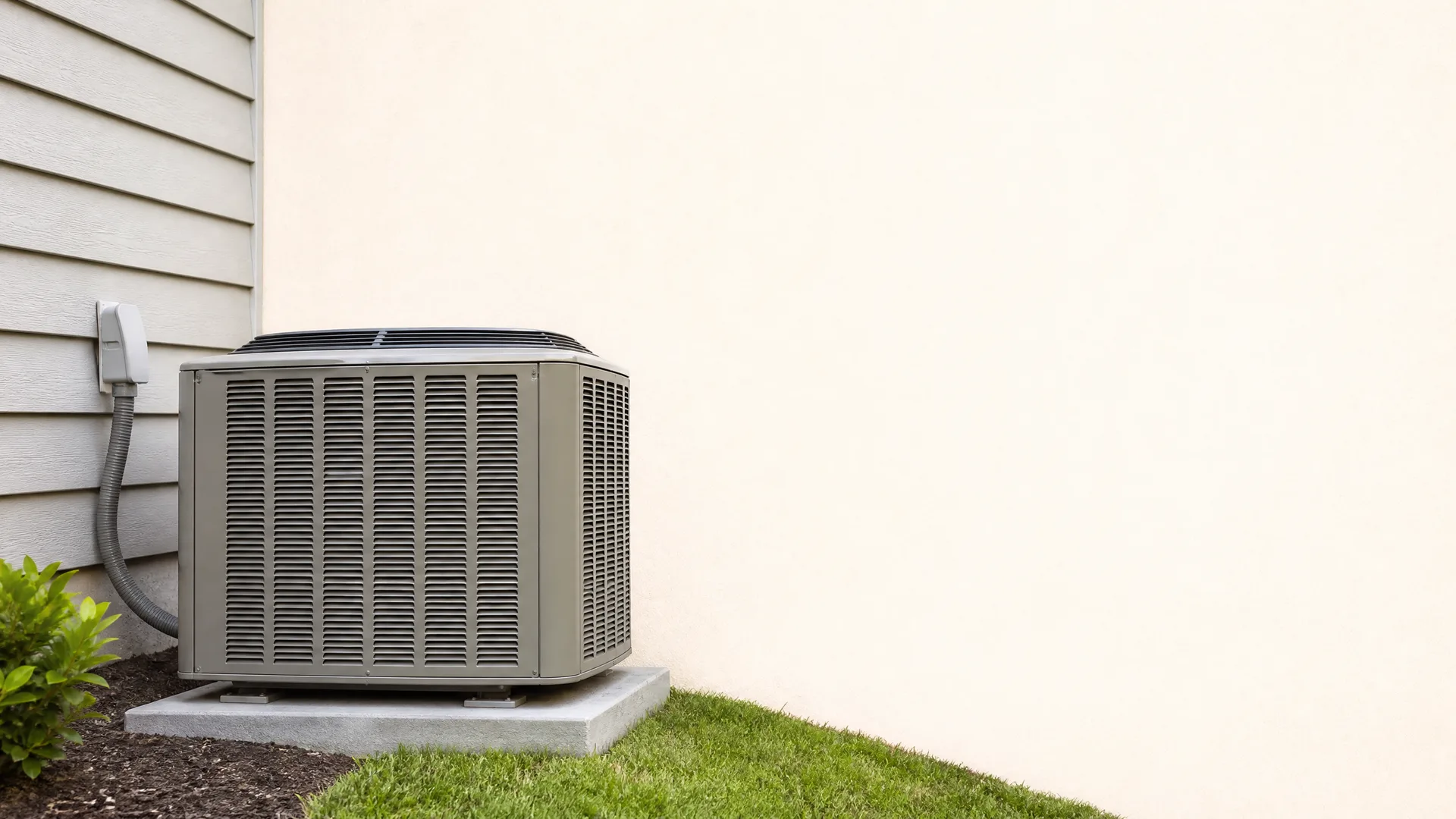
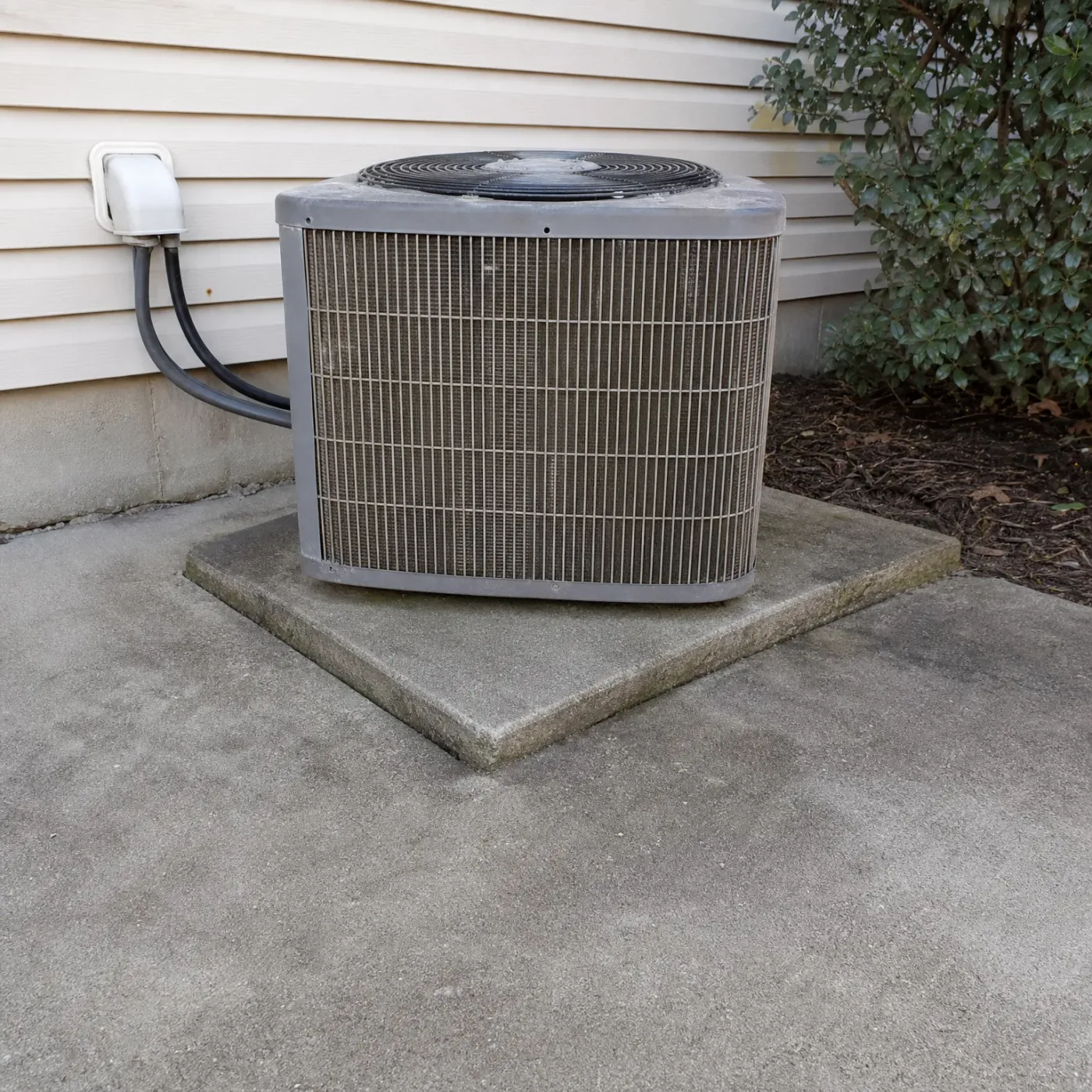
An outdoor air conditioning condenser unit on a concrete pad at the corner of a house, next to vinyl siding and a plain light-colored wall, with grass and a mulch bed in the foreground.

Why the outdoor unit struggles here

The outdoor coil gets rid of the heat your house collects. Georgia air already carries a lot of moisture, so that coil has to work harder to move the same heat than it would somewhere dry. If it's coated in pollen or cut grass, it can't shed that heat well, and the compressor runs longer to make up for it. A contractor washing the coil down before the first hot stretch gives the unit back the airflow it needs.

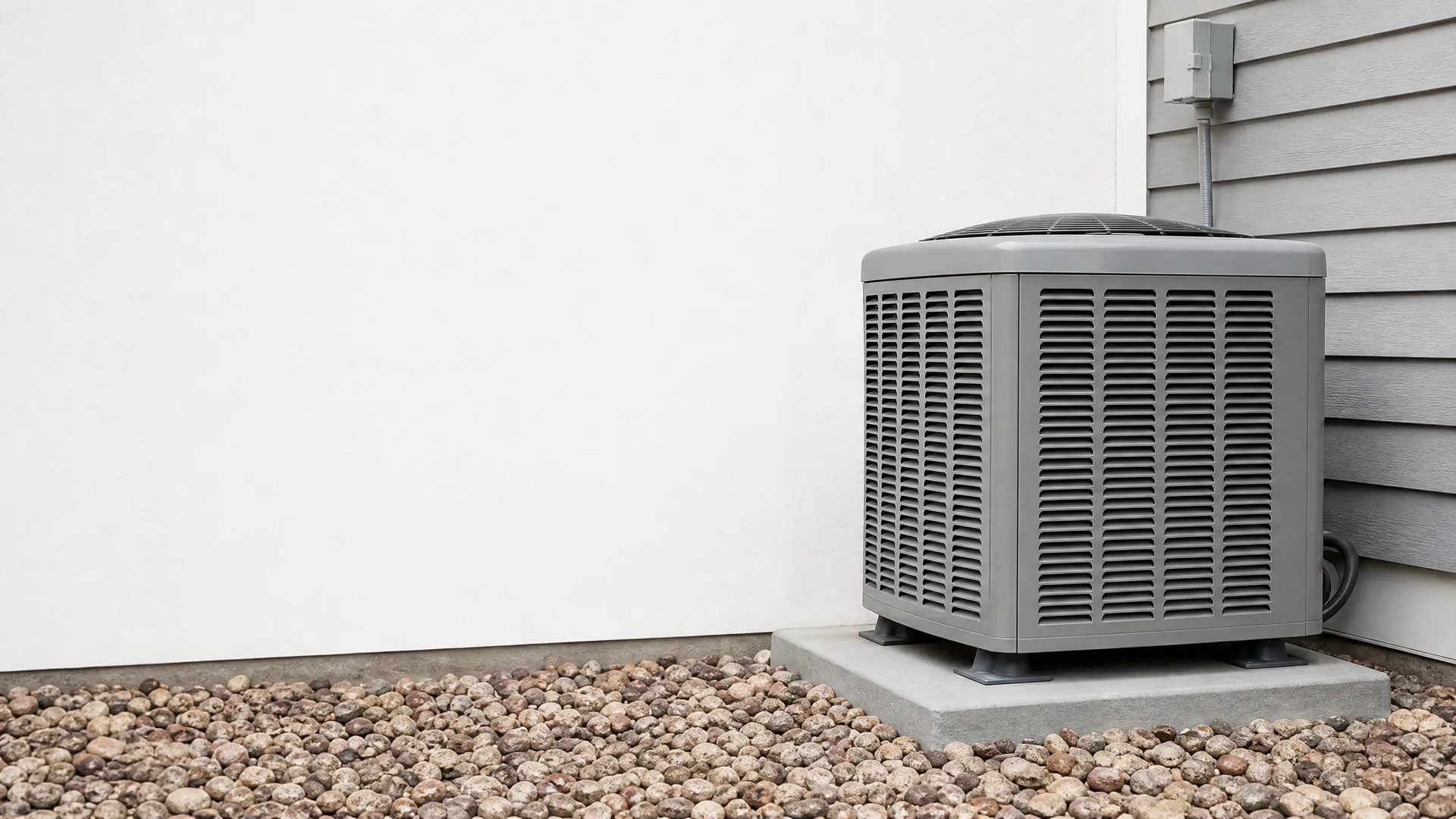
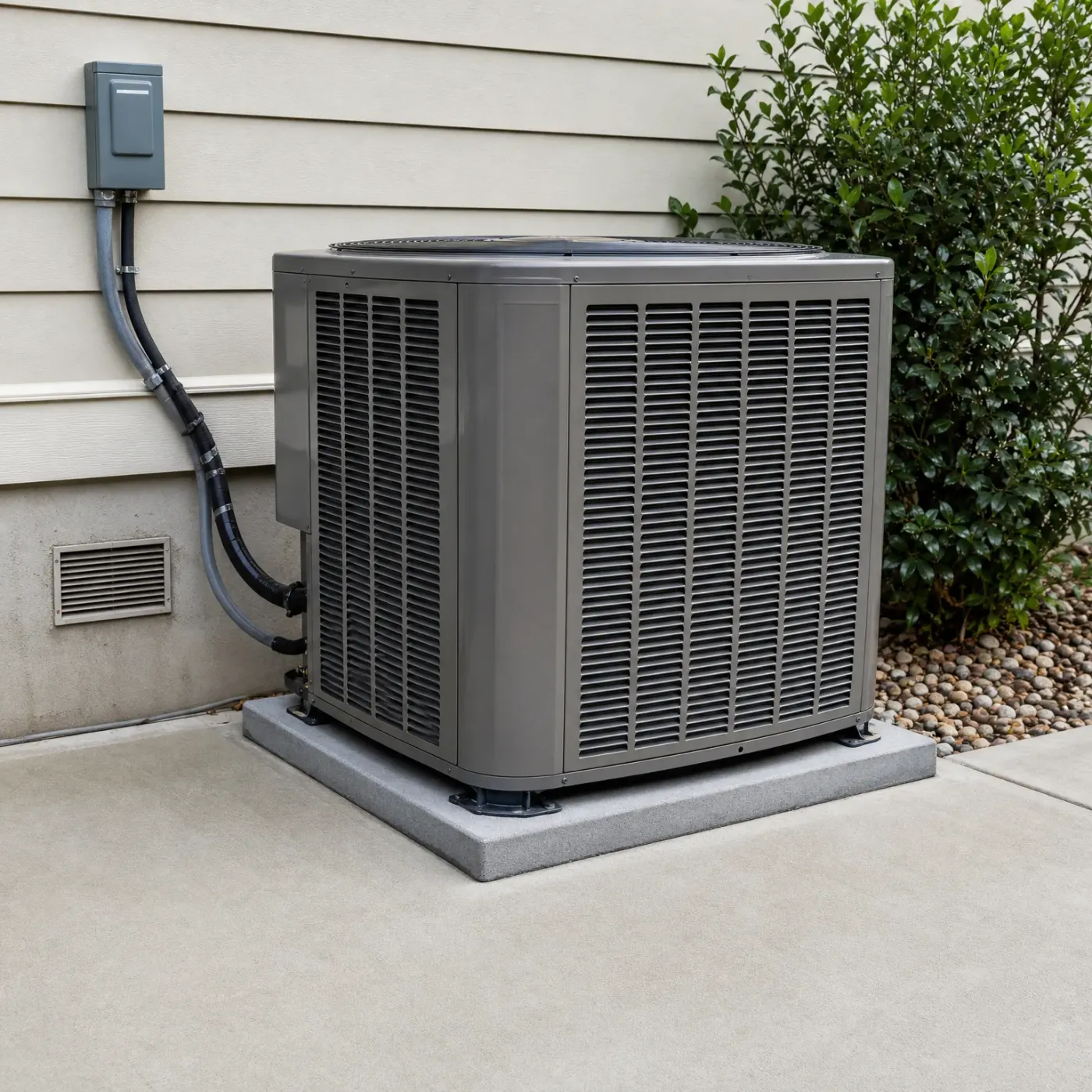
A gray outdoor air conditioning condenser unit sits on a concrete pad beside a white stucco wall and gray horizontal siding, surrounded by rounded landscaping gravel, with an electrical disconnect box mounted on the siding above.

What the refrigerant charge affects

Your AC is built to run with a specific amount of refrigerant, set by the manufacturer. Too little and the system loses its capacity to cool; too much and it can run colder than it should at the coil, which stresses the compressor. Either way, it uses more power to do the same job. A contractor checking the charge against the manufacturer's spec catches this before a June heat wave makes the system run nonstop to keep up.

Is your AC already telling you something

Think back to last summer. Did the house take longer to cool off after you got home, or did one room stay warmer than the rest no matter how long it ran? Maybe you noticed it cycling on and off more than it used to, or a smell when it first kicked on. A low hum or a rattle from the outdoor unit counts too. None of that means it's broken. It usually means something small is working harder than it should, and in Georgia heat, small problems don't stay small for long. A system that's straining in June is the one that quits in August, and that leaves your house with no AC on the hottest week of the year.

A smiling man with dark curly hair in a navy t-shirt sits on a gray couch indoors, with a large-leafed plant and a window in the background.
A bearded man in a plaid flannel shirt stands in a kitchen looking out a window toward snow-covered shrubs, with a steaming mug on the windowsill and potted plants on a shelf behind him.
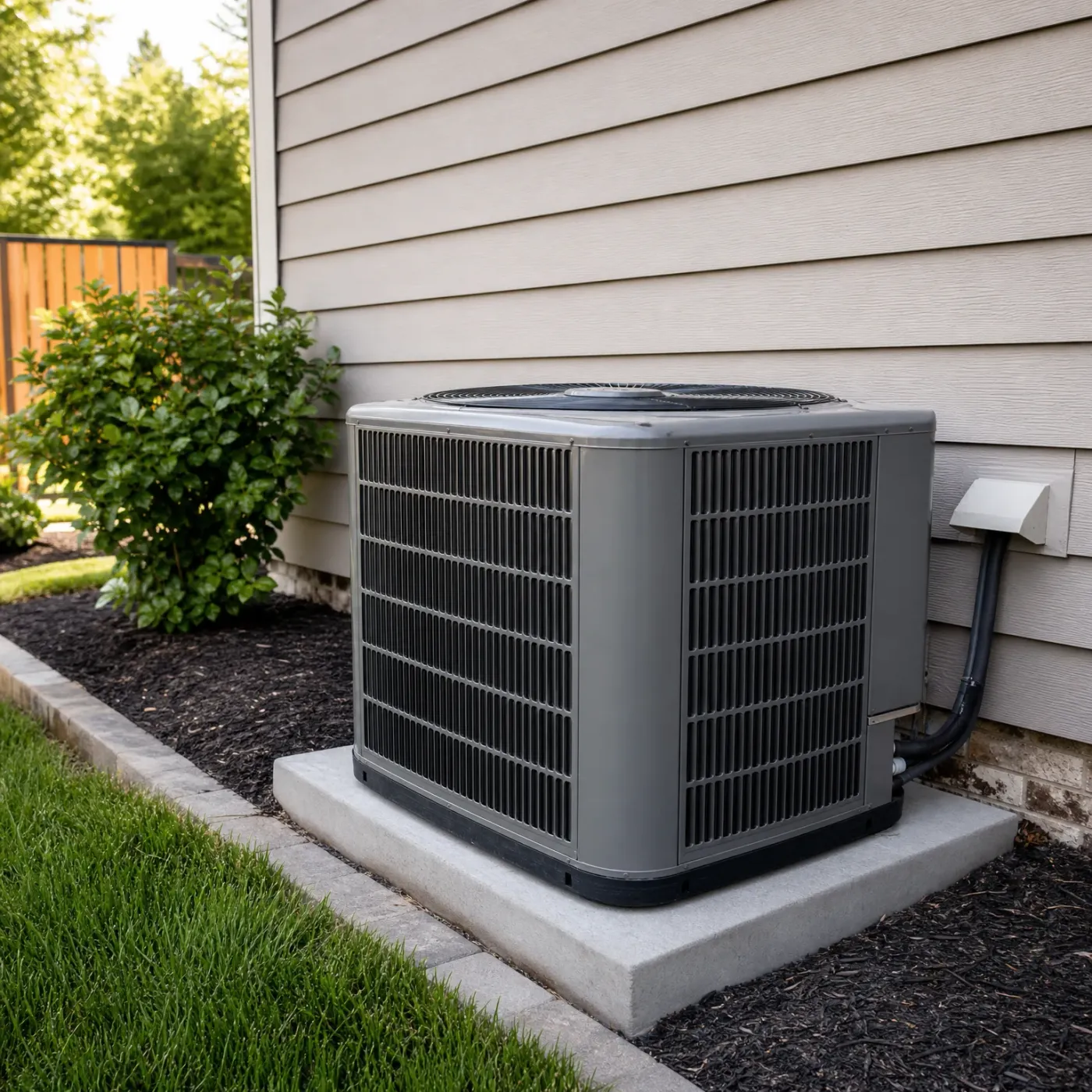
A gray outdoor air conditioning condenser unit on a concrete pad beside a house with horizontal vinyl siding, with mulch, a shrub, and lawn nearby.

Stop chasing an air conditioner pro

A licensed local pro takes the request for your air conditioner tune-up.

Send the form, and lining up the air conditioner tune-up stops being yours to chase.

Send my request

No fee to send it, and nothing to sign.

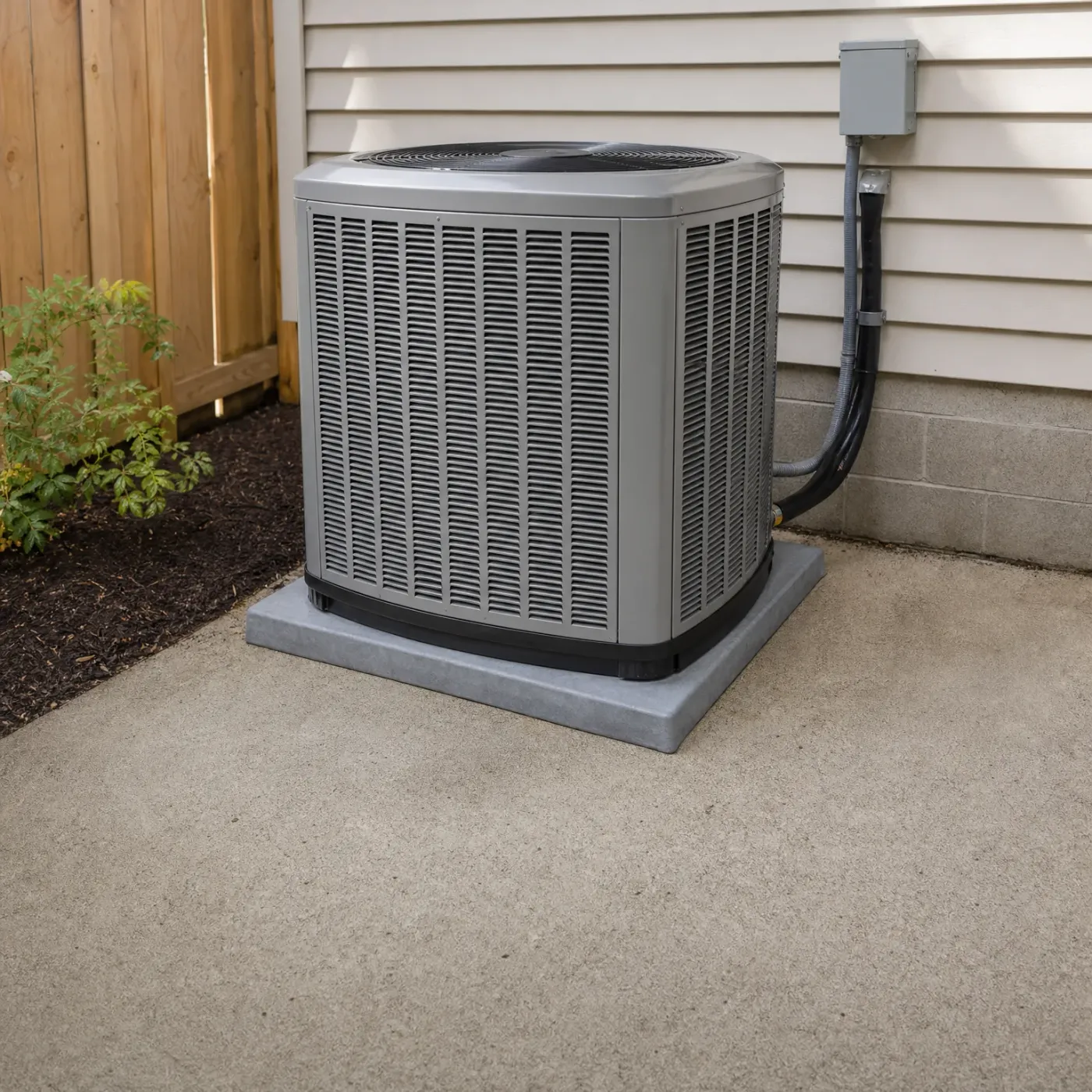
A gray outdoor air conditioning condenser unit on a composite pad beside a house with horizontal lap siding, with a wall-mounted disconnect box, refrigerant lines, and a wooden fence and shrubs to the left.
A clean unit like this one moves heat off the coil fast, which is what keeps up with it running most of the day.
An outdoor air conditioning condenser unit on a concrete pad beside a house with light vinyl siding, with electrical conduit running to a wall-mounted disconnect box and a shrub in mulch to the right.
Wiring and conduit that look untouched since install are worth a look before the first real heat wave hits.

A tune-up isn't a quick look and a hose-down. It starts with the refrigerant charge, checked against what the manufacturer specs for that system, because too much or too little charge means the house never gets as cool as it should. From there a contractor measures the temperature drop across the evaporator coil to see whether the system is actually pulling heat out of the air, not just moving it around. The capacitor gets tested under load rather than just glanced at, since a weak one can start the compressor fine on a mild morning and quit outright once it has to run through a 95 degree afternoon. Connections at the disconnect box and contactor get tightened, because a loose one heats up under load and can burn through before a breaker ever trips. The condensate line gets checked too, since a clog there backs up water until the safety switch shuts the whole system down. Last, airflow across the blower wheel gets confirmed, because a system starved for air can freeze its coil even with the charge dead on.

What a tune-up actually checks

  • A tune-up includes checking the refrigerant charge against the manufacturer's spec, since too little or too much both cost you capacity.
  • A contractor measures the temperature drop across the evaporator coil to confirm the system is actually pulling heat out of the air.
  • The capacitor gets tested under load, because a weak one can still start the compressor on a cool morning and fail once June heat hits it hard.
  • Electrical connections at the disconnect box and contactor get tightened, since a loose connection heats up and burns before it ever trips a breaker.
  • The condensate drain line gets checked for a clog, since a blocked line backs up and shuts the system down through the safety switch.
  • Blower wheel and return airflow get checked, because a system starved for airflow can freeze its coil even when the refrigerant charge is correct.
An outdoor air conditioning condenser unit sits on a concrete pad beside a house with horizontal vinyl siding, with a gray electrical disconnect box and insulated refrigerant line on the wall above, surrounded by bare mulched ground.
Before you get your air conditioner maintenance
A gray outdoor air conditioning condenser unit sits on a concrete pad beside a house with horizontal siding, connected by insulated lines to a wall-mounted disconnect box, with a shrub and gravel bed to the right.
After you get your air conditioner maintenance
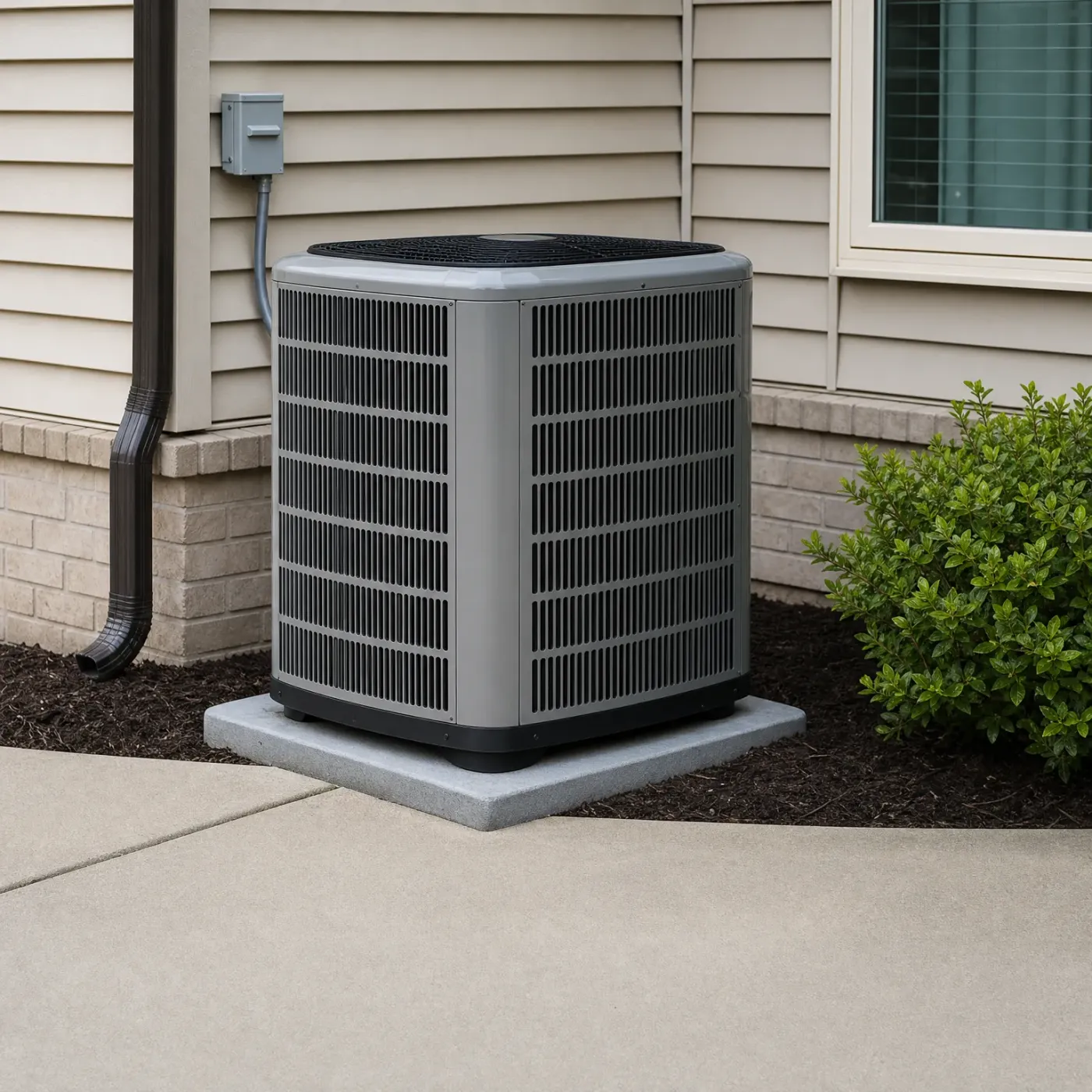
A gray outdoor air conditioning condenser unit on a concrete pad beside a house with horizontal vinyl siding, a brick foundation, downspout, electrical disconnect box, mulch bed and a green shrub.

Clean and running right

Clear mulch and shrub leaves away from the coil and the unit pulls heat off itself the way it's supposed to. The disconnect box and the line running to the house stay easy to check. A system that looks like this holds its charge longer under a Georgia summer's workload.
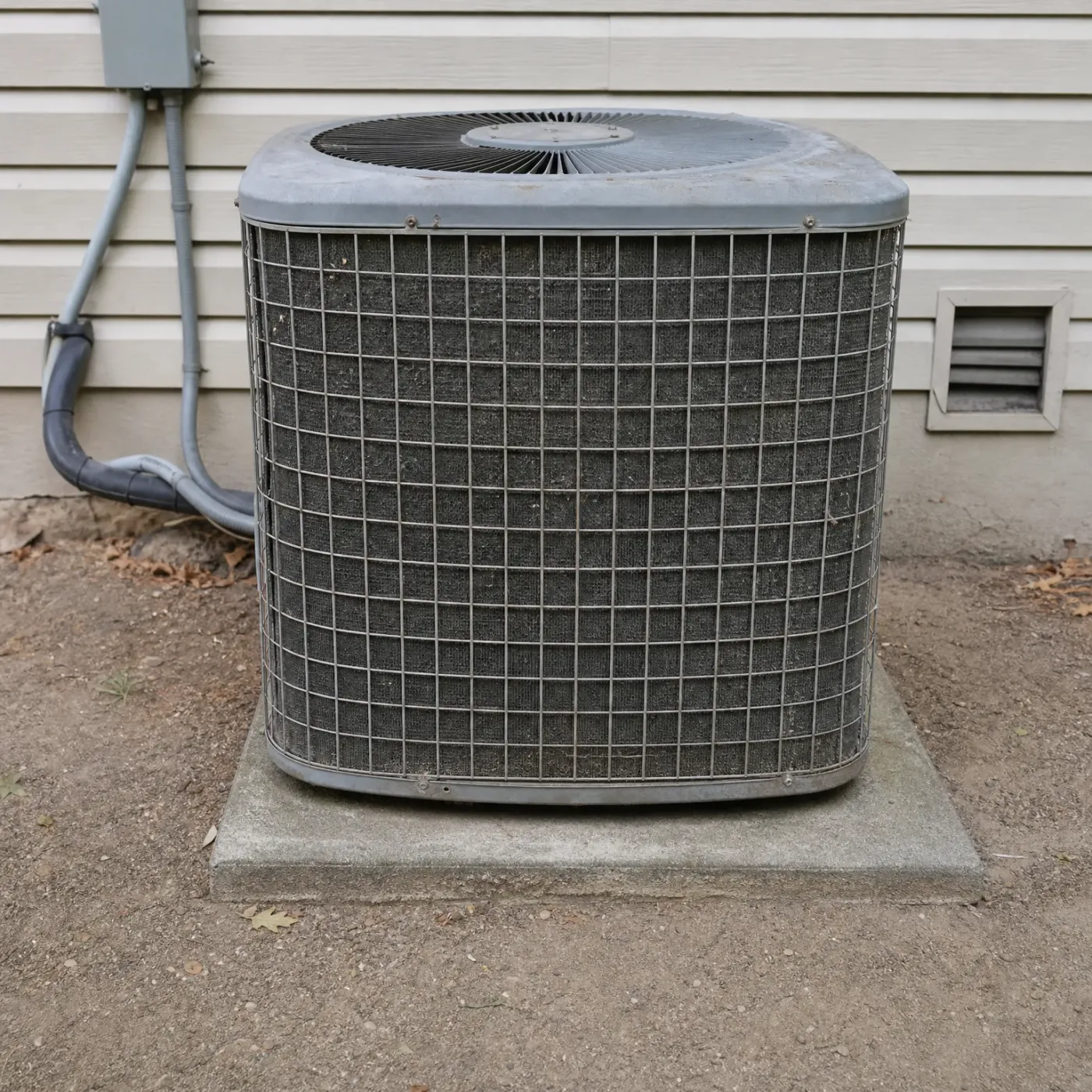
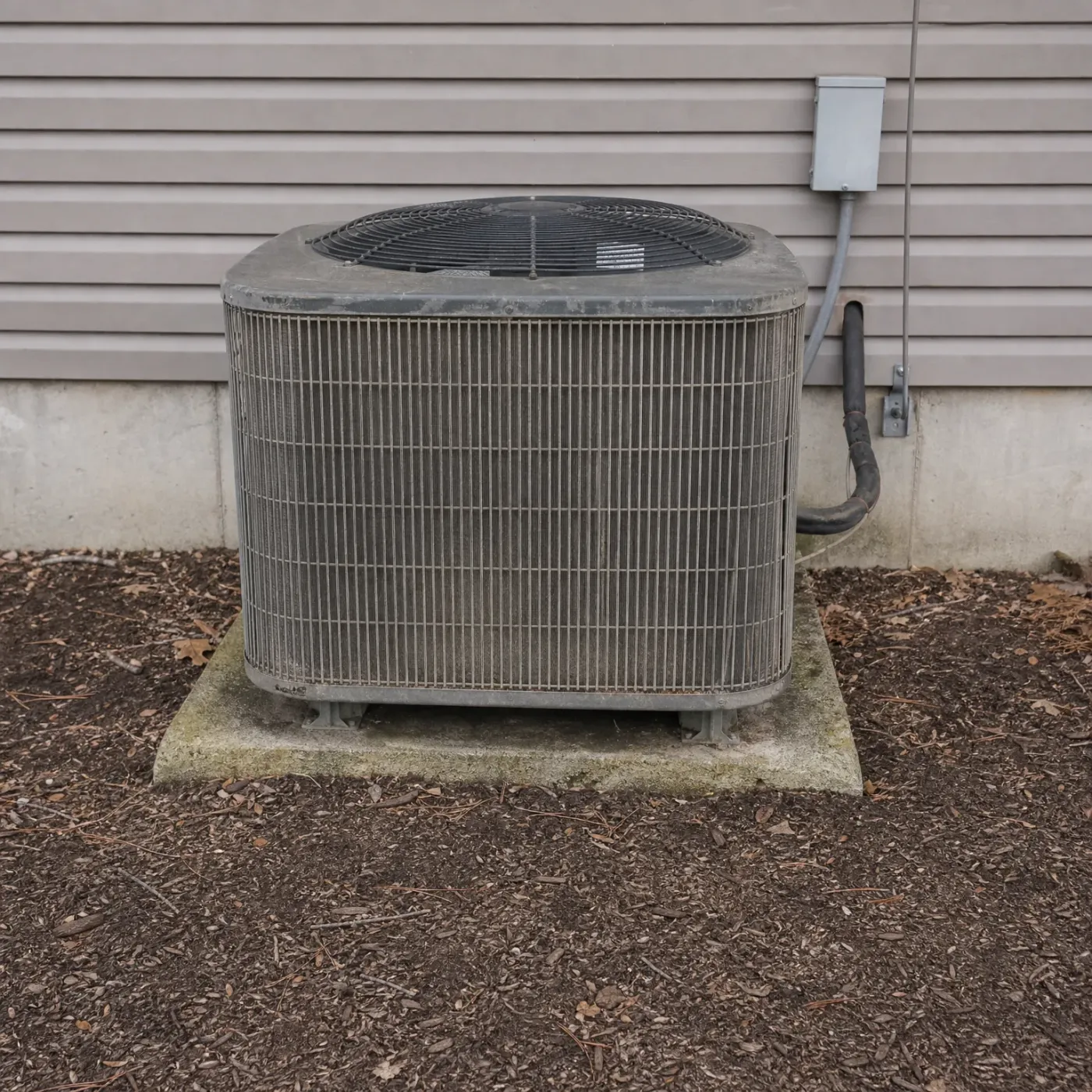
An outdoor air conditioning condenser unit with a dirty mesh coil guard sits on a concrete pad beside a house with horizontal lap siding, a wall vent, and conduit running to an electrical disconnect box.

Caked coil, lost capacity

Once the fins are packed with dirt and pollen like this, the coil can't shed heat as fast, so the system runs longer to reach the same temperature. Left alone through another summer, that strain is what pushes a capacitor or a compressor toward failing.

Power costs 14.74 cents per kilowatt-hour statewide

At 14.74 cents a kilowatt-hour, every hour your AC runs costs about the same here as the state average. A system that's lost some of its charge or has a dirty coil runs longer to cool the same house, and that extra runtime is what shows up on your bill. Keeping it tuned up is what keeps those hours down.

EIA-861 2025 statewide residential average

Getting your AC ready for a Georgia summer comes down to a tune-up before the heat really sets in: refrigerant checked against spec, the outdoor coil clean enough to shed heat, the capacitor and wiring looked at while the system is still idle. Catch what's weak now and it doesn't turn into a dead system on a hundred-degree day. The contractor who comes out is local, licensed, and works on this kind of equipment all summer long, so they already know what tends to fail first in this heat and humidity. You're matched with one contractor, not a handful calling you back at once. If last summer your house took longer to cool or one room never quite got there, that's worth mentioning when they look at the system. Either way, you're not the one tracking down who's available and who isn't anymore. That part is off your plate now.

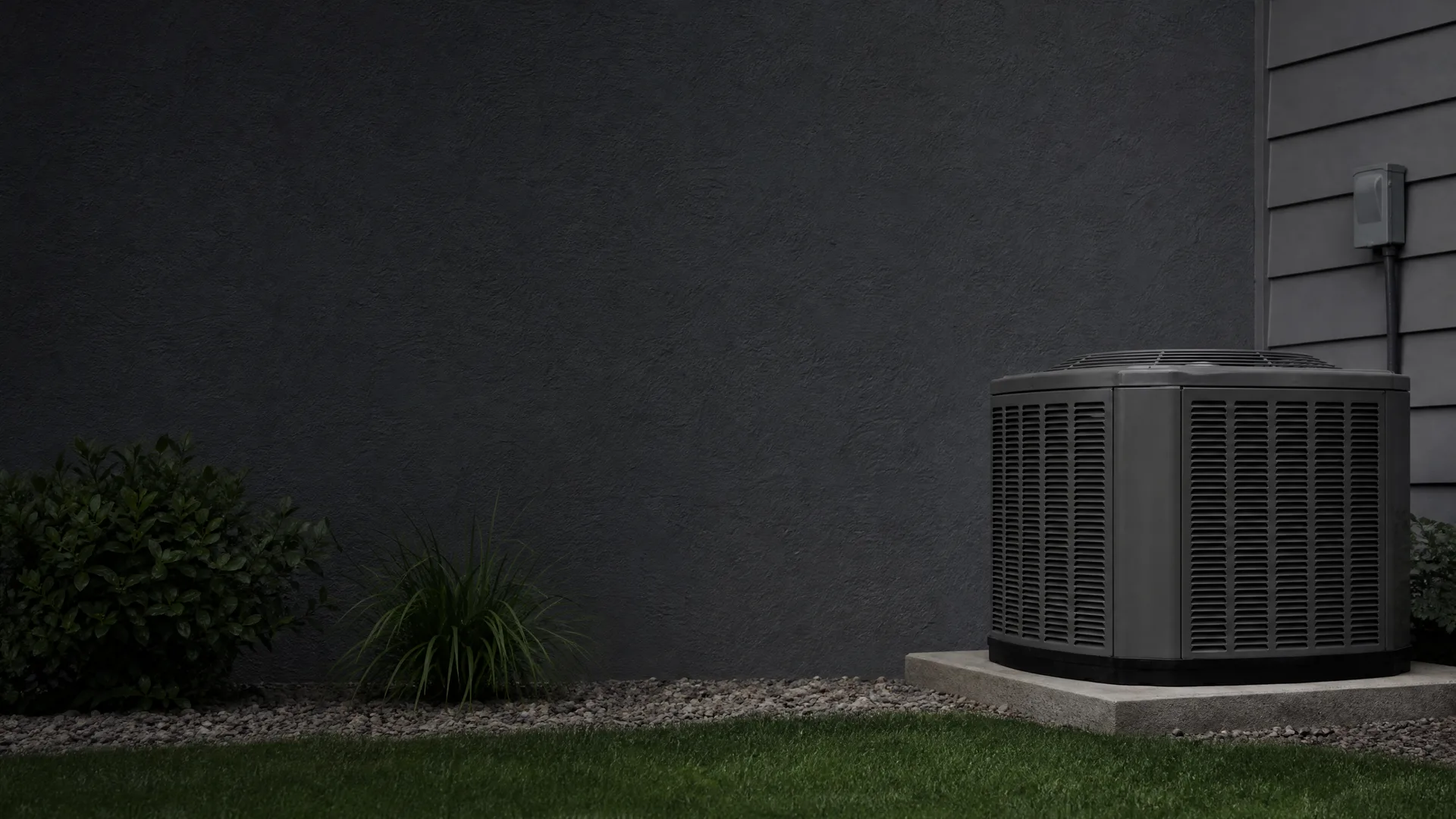
An outdoor air conditioning condenser unit on a concrete pad beside a dark stucco wall, with gravel bedding, shrubs, an ornamental grass clump, and a lawn in the foreground.

Send one request and you're done looking

Only one pro gets your request, so you hear from one company.

Step 1 of 3: Equipment