 Skip the calls
The R-410A phase-out and new AC units in Georgia
Answer a few questions instead of calling shop after shop.
R-410A is being phased out, and if your air conditioner runs on it, you've probably seen the headlines about rising refrigerant costs. That matters more in Georgia than most places. Your system runs hard from April through October, and a unit that needs a recharge or a repair involving refrigerant is going to cost more to service than it used to.
If your AC is getting old and you're weighing a repair against replacing it, the refrigerant change tips that math. Newer systems use R-454B, which isn't caught up in the same supply squeeze. Installing one of those now means you're not stuck paying climbing prices for R-410A a few summers from now when your old unit needs a top-off.
Finding someone to install a new system is its own chore. You'd normally be calling around to a handful of companies, explaining your home and your old unit's problems to each one, waiting on callbacks, then sitting down with quotes written up differently by every contractor, trying to figure out which number actually covers what. That's hours you don't get back, and most people do it while their AC is already struggling.
This page connects you with one licensed contractor near you in Georgia, someone who installs these systems every summer and knows which older units are worth repairing and which ones are better replaced before refrigerant costs climb further. You're not fielding calls from five different companies. You talk to one person who already knows the situation you're describing because they've seen it on other jobs this season.
Below is what the R-410A phase-out actually means for your system, your repair costs, and your options in Georgia. Then you can decide if it's time to talk to someone about installing a new unit.
Do I need to replace my AC because of the R-410A phase-out?
You keep hearing that R-410A is on its way out, and you're not sure if that means your AC is suddenly a problem. Your unit works fine right now, so it's natural to wonder if "phase-out" means you're on a deadline, or if this is something you can leave alone until the system actually gives you trouble.
No, not right away, but repairs on an R-410A system will get pricier
The phase-out stops production of new R-410A, not the use of units that already run on it. If your AC works, there's no rule forcing you to swap it out. What changes is the cost of servicing it. R-410A still gets made for now, but supply is shrinking, so a repair that needs a refrigerant charge or a recharge after a leak costs more than it used to, and that gap will widen. In Georgia, where the system runs hard from April through October, that matters more than it would somewhere with a short summer. A unit that develops a slow leak partway through the season can turn a routine repair into an expensive one. Age and condition should drive the decision, not the phase-out alone.
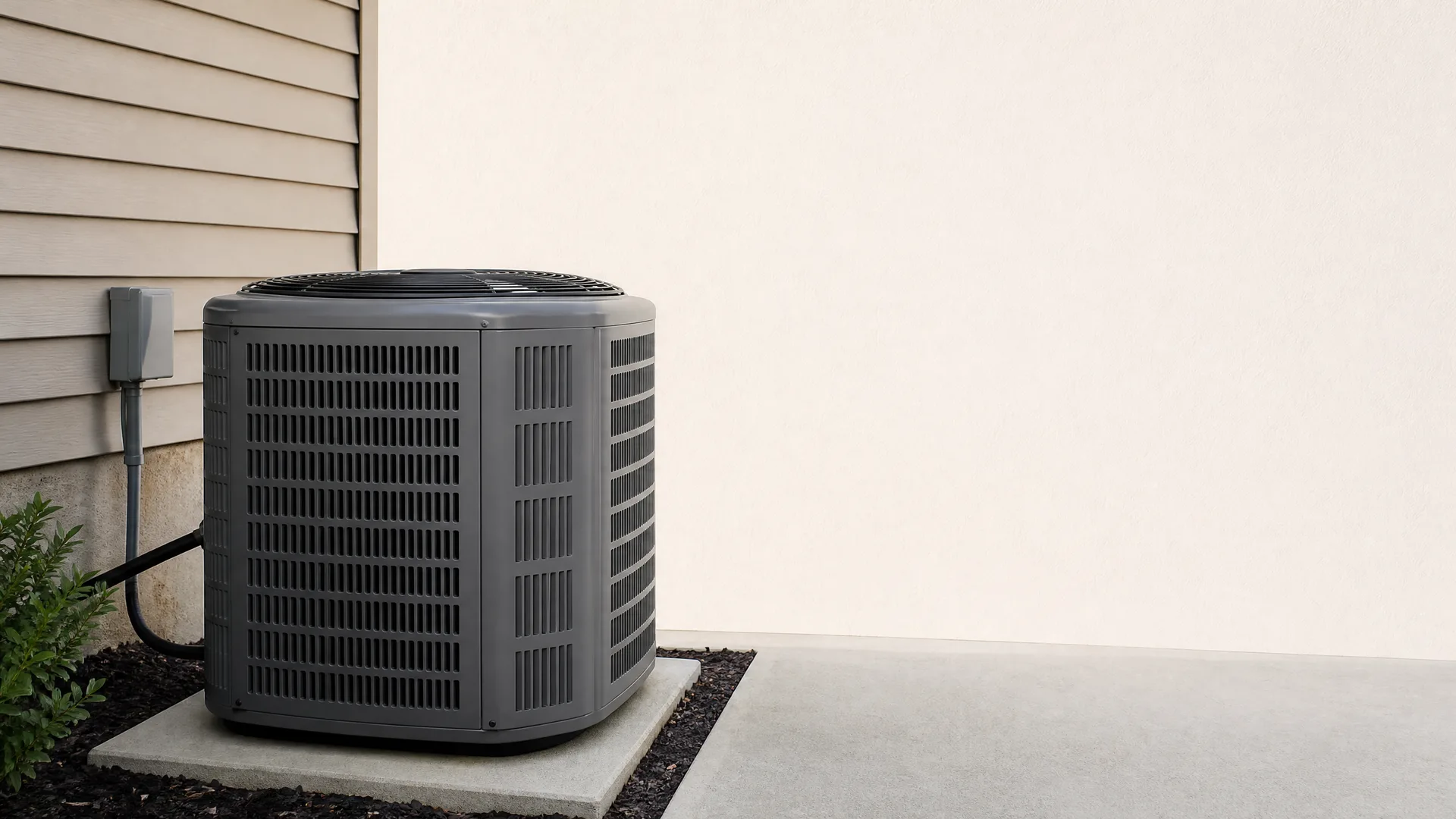
What the phase-out actually changed
Since January 2025, manufacturers can't build new residential AC units that use R-410A. That rule covers new equipment, not the one in your yard. R-410A itself hasn't been banned, and it's still being produced for servicing existing systems. If a contractor needs to add refrigerant to your current unit, they can still get it. What's changed is what comes off the line for new installs, which now run on R-454B.
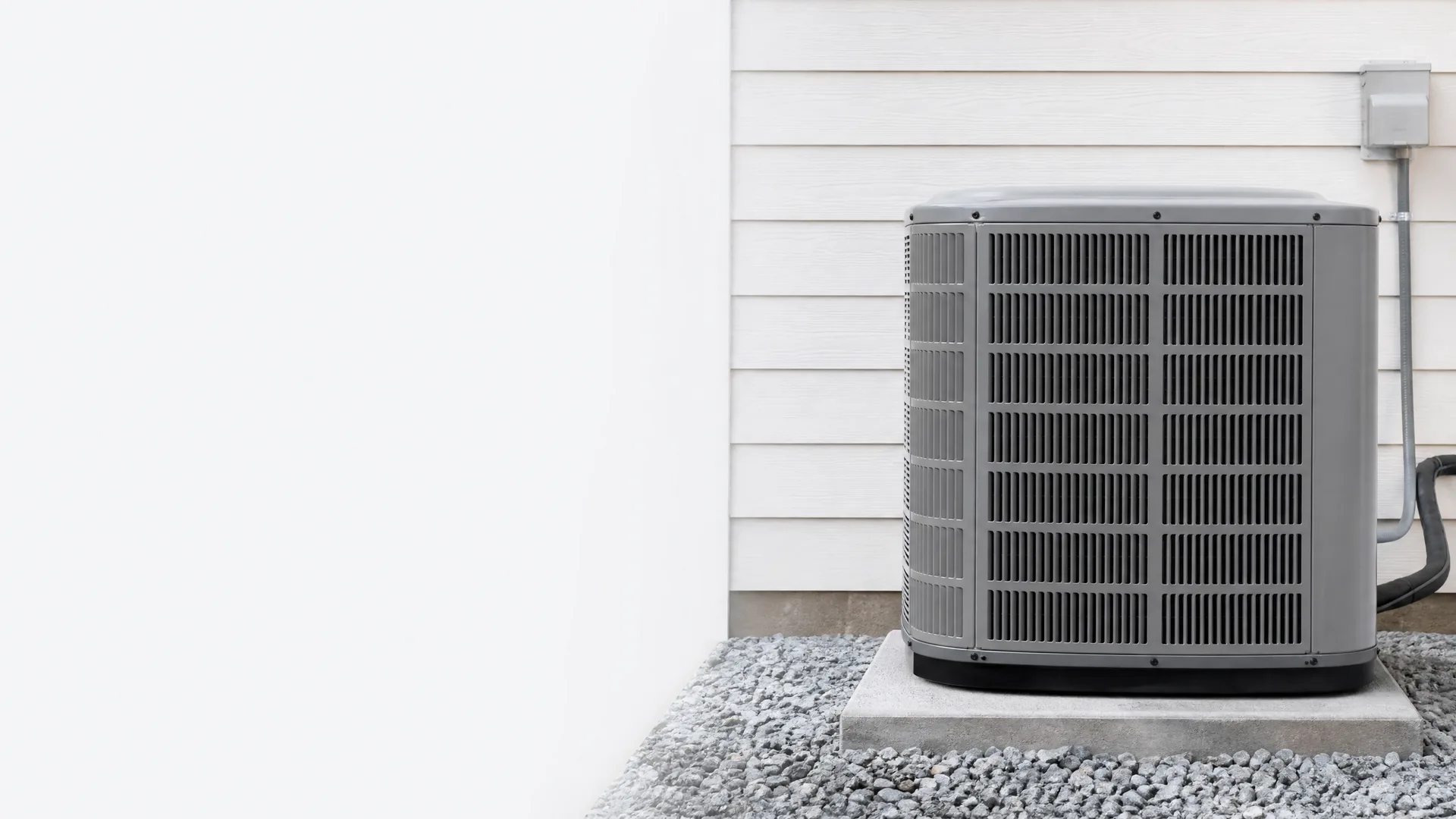
Why your old unit still gets serviced
A contractor who's worked on R-410A systems for years can still recharge one, replace a capacitor, or fix a leak without touching the refrigerant type. The equipment doesn't become unsafe or illegal to run just because production shifted. In Georgia, where the unit works through seven months of heat, what matters most is whether it's still holding charge and cooling the way it should, not what's printed on the data plate.
Power costs 14.74 cents per kilowatt-hour statewide
At 14.74 cents per kilowatt-hour, every hour your AC runs shows up on the bill fast, and in Georgia it's running a lot of those hours. A newer unit that holds its charge and cycles properly uses less power to cool the same house, so the rate matters more here than somewhere with milder summers.
EIA-861 2025 statewide residential average


Skip calling around
If your AC is old enough that R-410A pricing is starting to worry you, the next step is usually finding someone to look at the unit and tell you straight whether it's worth repairing or replacing. That part is normally its own chore: searching for AC contractors near you, calling a few, explaining the same symptoms each time, then trying to compare quotes that aren't quite for the same job. Submitting a request here hands that off. It goes to one licensed contractor working in your area, not a handful competing for the job, so you're not fielding five calls the same afternoon. Someone who services AC units in Georgia all summer has seen plenty of R-410A systems by now and knows what tends to fail on them as they age, and what that means for your charge, your coil, and whether R-410A availability should factor into your timeline at all. With the heat Georgia puts on a system from April through October, getting a straight answer now matters more than figuring out who to call.
Where this leaves your AC
- Your air conditioner is not illegal to run and R-410A is still being made for repairs on units already in the ground.
- The phase-out changed what manufacturers can build new, not what you're allowed to keep servicing in your yard.
- The real question is whether your specific unit is worth repairing at current refrigerant prices, not whether you're forced to replace it.
- A local contractor who services Georgia systems all summer knows which models are holding up fine and which ones are getting expensive to keep charged.
- Working with one licensed contractor instead of several means you explain your situation once and get a straight answer back.
- Where you land depends on your unit's age and condition, and that's something to check rather than guess at.
Nothing about the R-410A phase-out forces your hand. The rule changed what's on the showroom floor, not what's running in your yard, and the refrigerant is still out there for anyone who needs to charge a system that's leaking. What it actually changes is the math on repairs. A unit that holds its charge and only needs the occasional service call is still a reasonable one to keep. A unit that's low every season and needs a recharge every summer gets more expensive to patch as R-410A pricing moves, and at some point replacing it costs less than keeps feeding it.
You don't have to guess which side of that line your system falls on. Someone who services Georgia systems through the summer sees this pattern on repeat, the same models holding up fine for years and the same models turning into a yearly recharge. That's the kind of read you get from a contractor who's licensed, local, and already knows what tends to fail on units like yours after a few Georgia summers. You explain your situation once, to one person, and get back a straight answer about your actual unit instead of a sales pitch dressed up as a diagnosis.
If your system is holding steady, there's no reason tied to the phase-out to touch it. If it's not, now you know why, and what it's likely to cost you to keep going that route versus putting in something built for where the industry is headed.
Air Conditioner Installation
Describe it once

- Describe your air conditioner job, and a local pro who handles it gets in touch.
- A local installer who puts in air conditioners gets your project.

- Once you send the form, finding a pro is off your list.
- After you send the request, you're done searching.

- Fill out one short form instead of calling around.
- Explain the job once and skip repeating it on every call.

- The pro who reaches out is licensed in Georgia.
- Only one pro gets your request, so you hear from one company.