Why your AC can't keep up on hot Georgia days

Step 1 of 3: Equipment

On a hot Georgia day, your AC is fighting two jobs at once: cooling the air and pulling the moisture out of it. Georgia summers run muggy, so the system has to work through all that humidity before the house even starts to feel cooler. If the unit was sized for an average day, it has little left over once the heat climbs and the air thickens with moisture. A unit low on refrigerant, a dirty condenser coil, or a blower that can't move enough air will fall further behind as the afternoon goes on, and by evening the thermostat still hasn't caught up to its setting. Sometimes the system itself is fine but undersized for the house, or it's aging and losing capacity it once had. Whatever the cause, a properly working, correctly matched system shouldn't lose ground on a 95 degree day. If yours does, something in it needs attention.

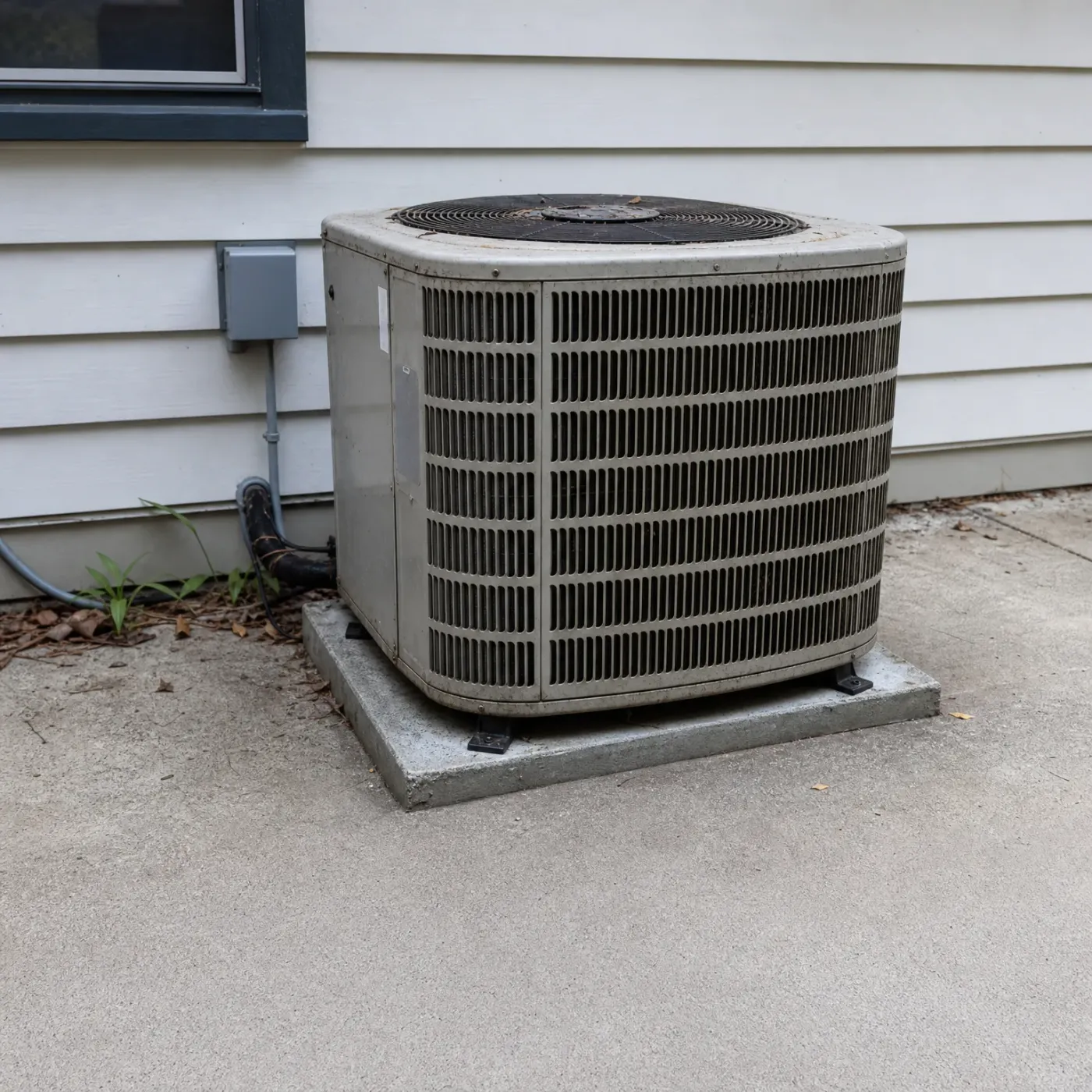
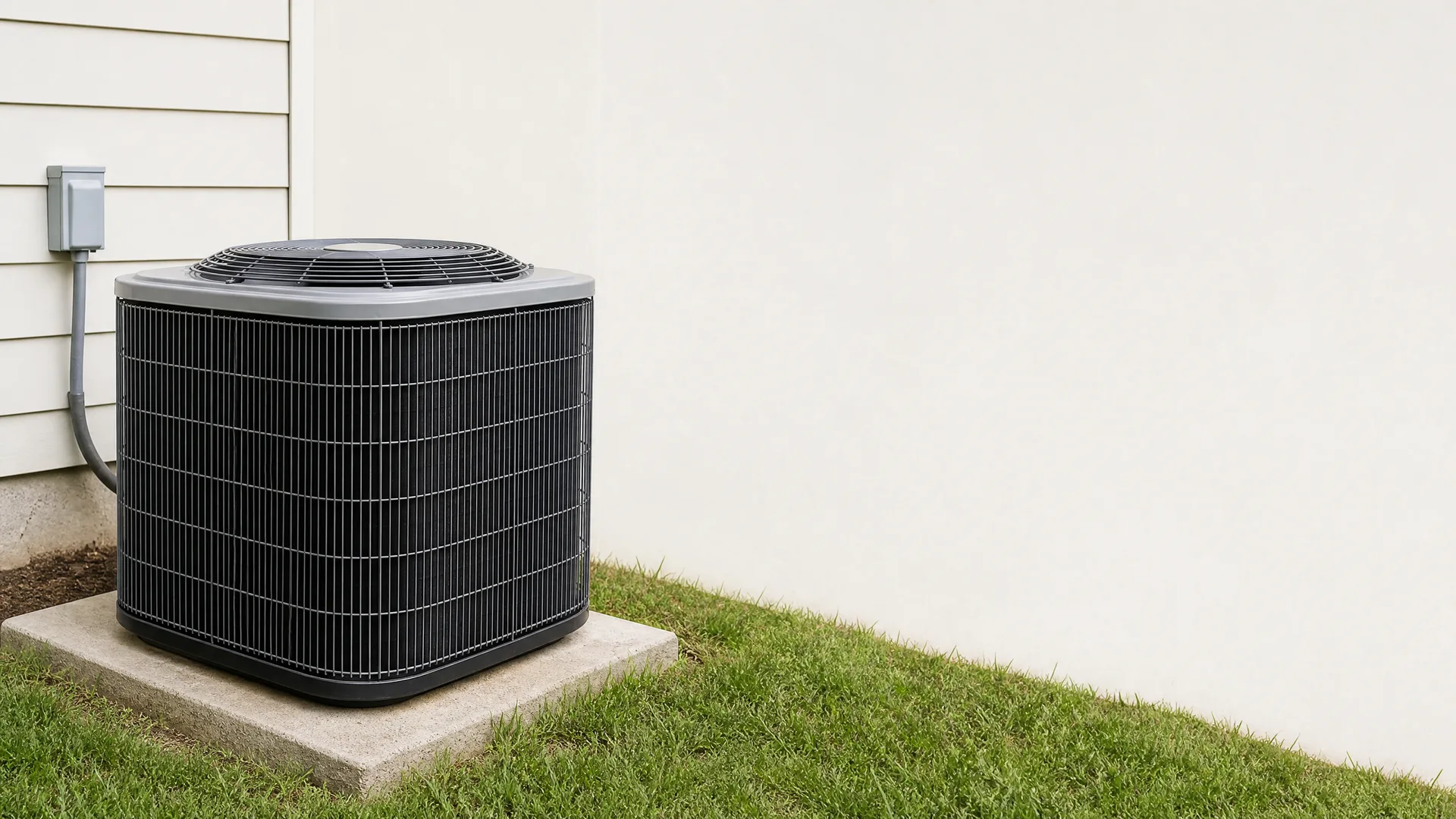
An outdoor air conditioner condenser unit on a concrete pad beside a house wall, with a gray electrical disconnect box and conduit above it and grass in the foreground.

Why the heat index matters more

A thermometer reading of 94 doesn't tell the real story. When the air is thick with moisture, your AC has to squeeze that moisture out before the house feels any cooler. That takes time and energy the unit doesn't spend on a dry 94 degree day somewhere else. On Georgia's wettest afternoons, the system can run close to nonstop and still lose ground against a heat index well above the actual temperature outside.

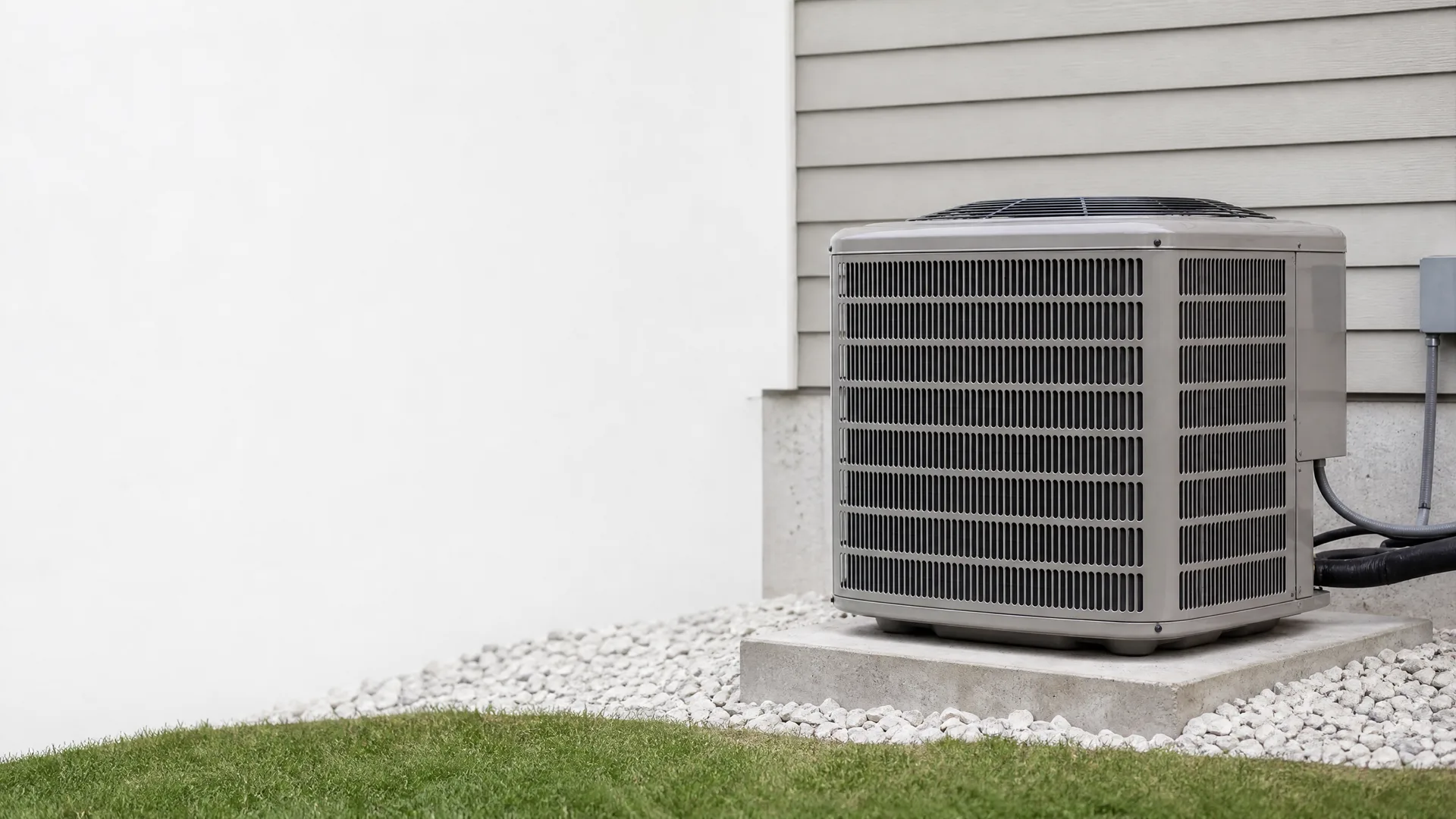
A gray outdoor air conditioner condenser unit on a concrete pad beside a house with horizontal lap siding, surrounded by white gravel and a lawn, with a white wall at left.

What a struggling system sounds like

A healthy central air conditioner cycles off at some point, even on a hot day. If yours runs for hours without stopping, or the air coming out of the vents feels only cool instead of cold, the system is losing the fight. Low refrigerant, a dirty condenser coil outside, or a unit that was undersized for your house to begin with can all cause this. The thermostat setting isn't the problem when this happens.

Struggling to Keep Up or Actually Broken

System Running Nonstop

  • The outdoor unit cycles on and barely shuts off once the heat index climbs past 100.
  • Air still comes out of the vents, just not cold enough to pull the house down to the thermostat setting.
  • The condenser coil outside может be caked with dirt or grass clippings, which stops it from shedding heat properly.
  • Indoors stays humid and sticky even with the air moving, because the system can't keep up with both jobs at once.
  • Energy bills climb fast in July and August because the compressor rarely gets a break to rest.

System Actually Failing

  • The outdoor unit shuts off completely or won't start no matter where the thermostat is set.
  • Airflow from the vents turns weak or stops, often pointing to a blocked filter or a failing blower motor.
  • Ice forms on the indoor coil or the copper line outside, a sign the refrigerant charge is low or airflow is restricted.
  • A breaker trips repeatedly when the compressor tries to start, which points to an electrical fault rather than just heat load.
  • Water pools near the indoor unit because the condensate line is clogged and backing up instead of draining outside.
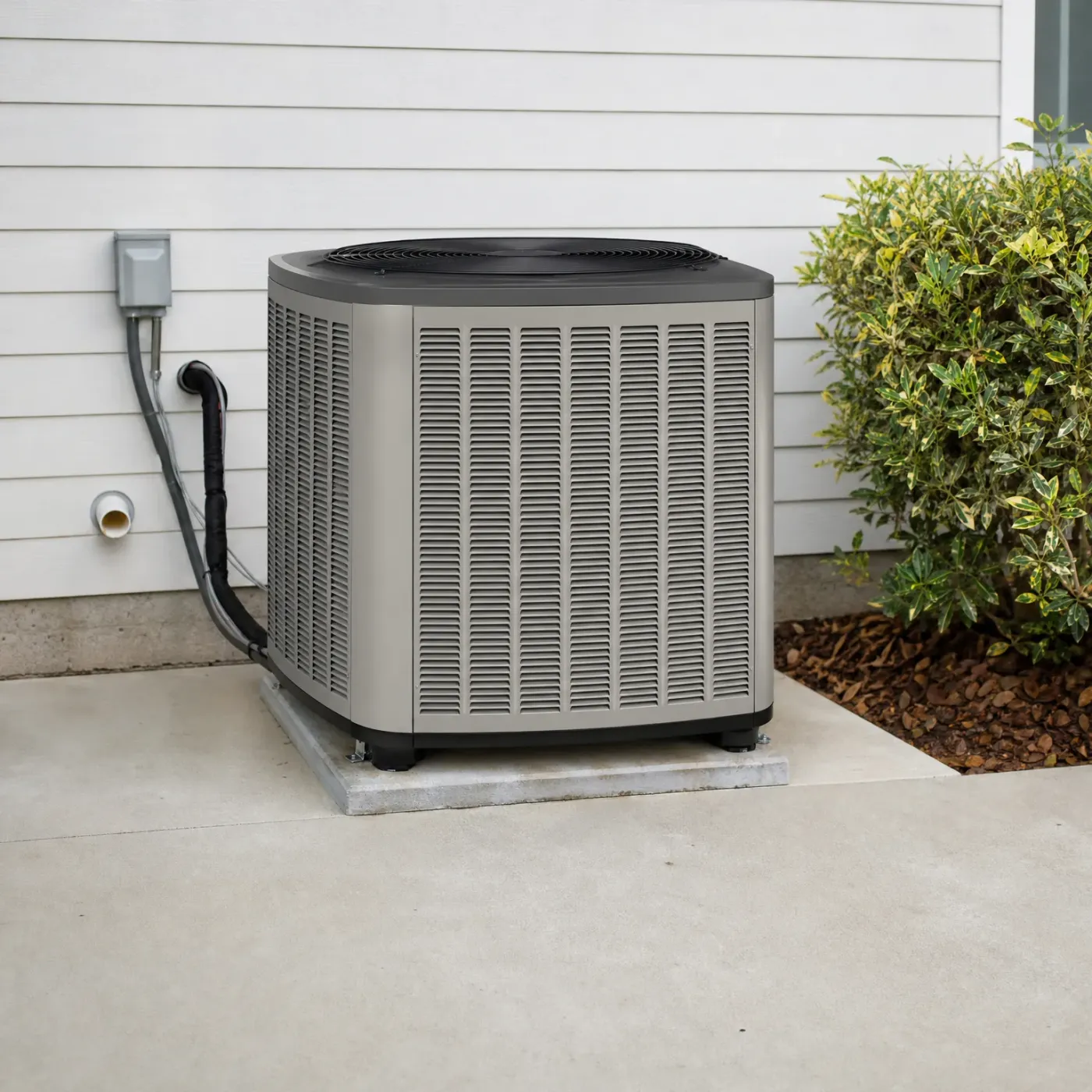
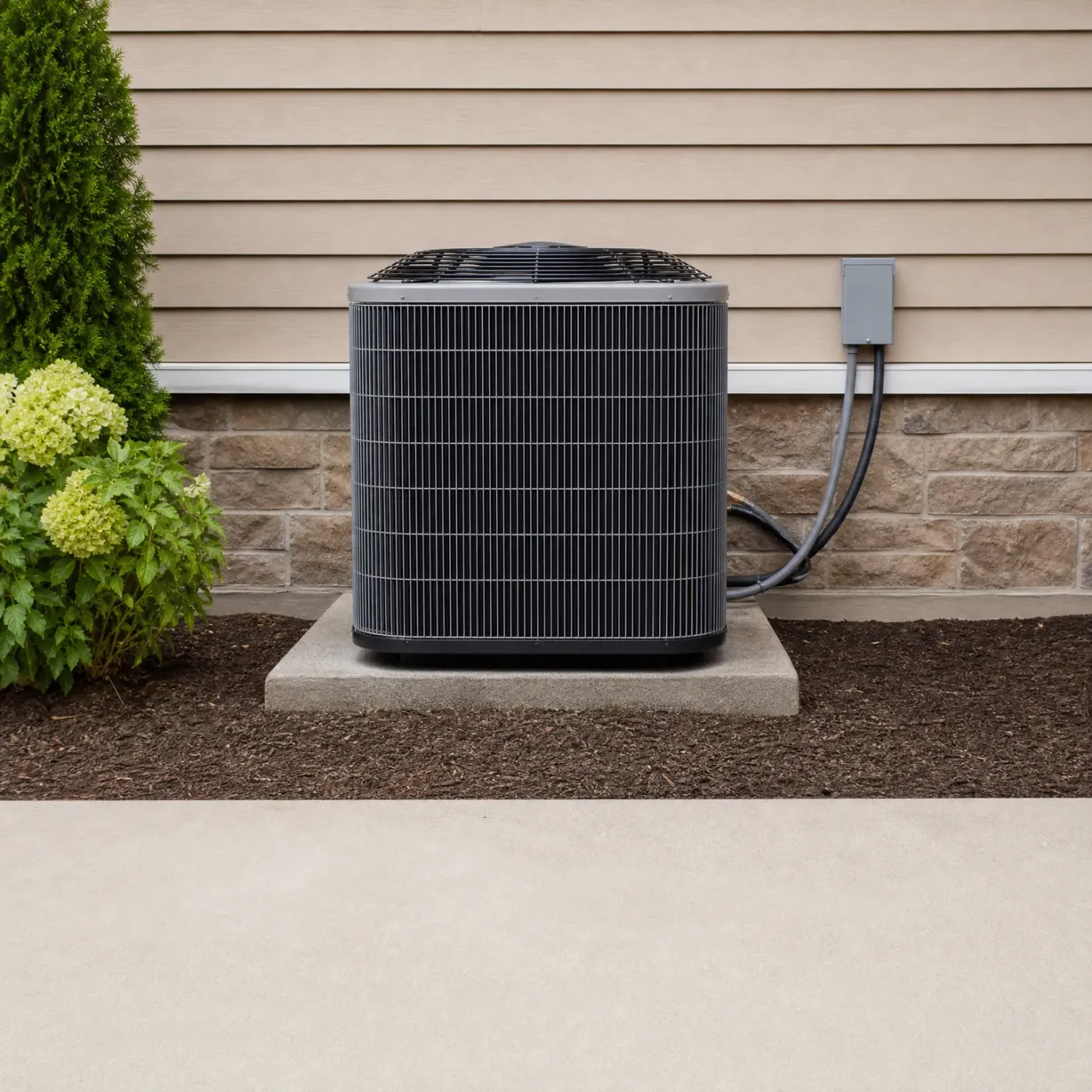
An outdoor air conditioner condenser unit on a concrete pad beside a house with beige horizontal siding and a stone-veneer base, with refrigerant lines running to a gray wall-mounted electrical box, surrounded by dark mulch, a flowering shrub and an evergreen on the left.

Keeping up with the heat

A condenser like this one cycles on, runs long enough to pull the heat and moisture out of the house, then shuts off. The siding stays dry, the coil stays clear, and the unit gets a break between cycles even on a 95 degree afternoon.
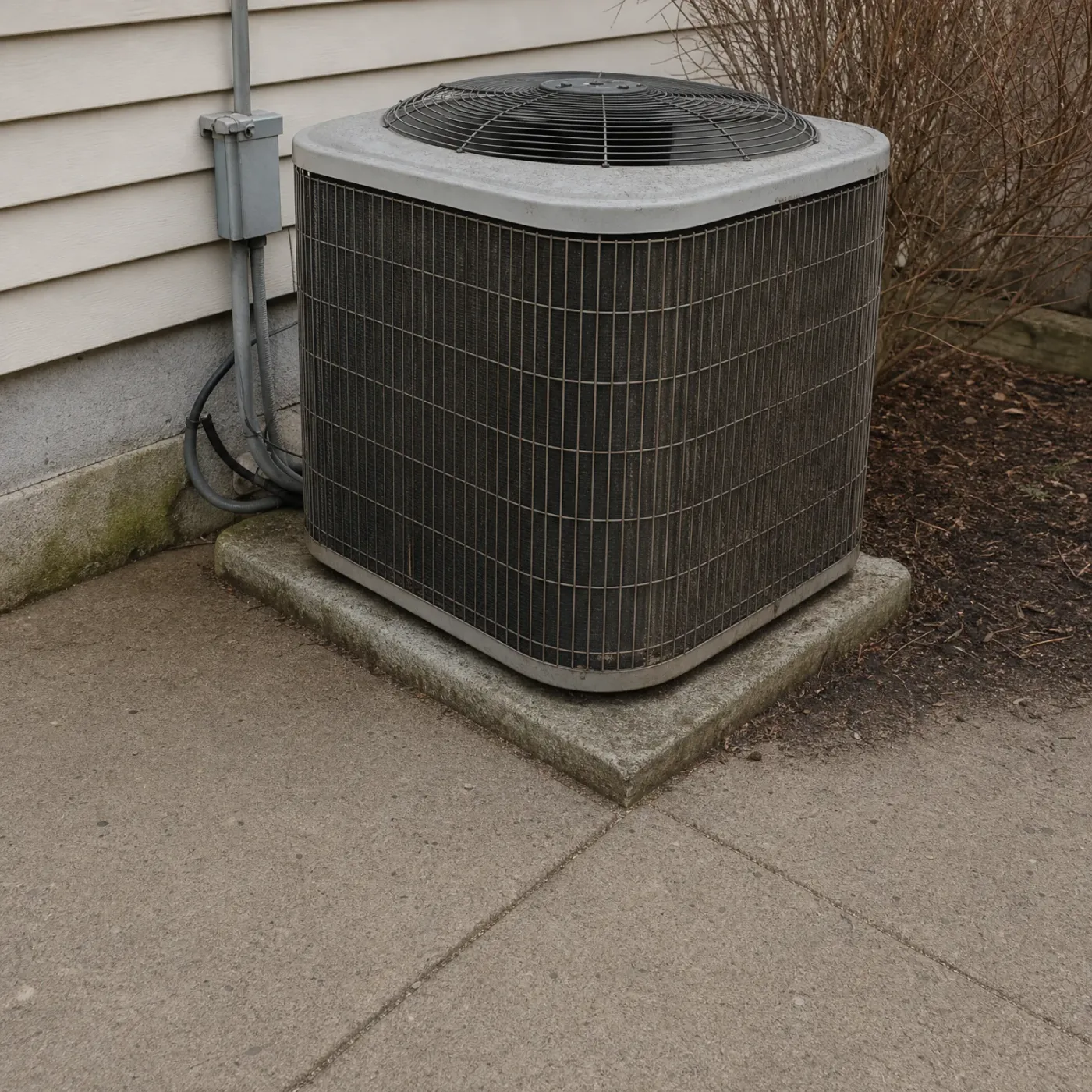

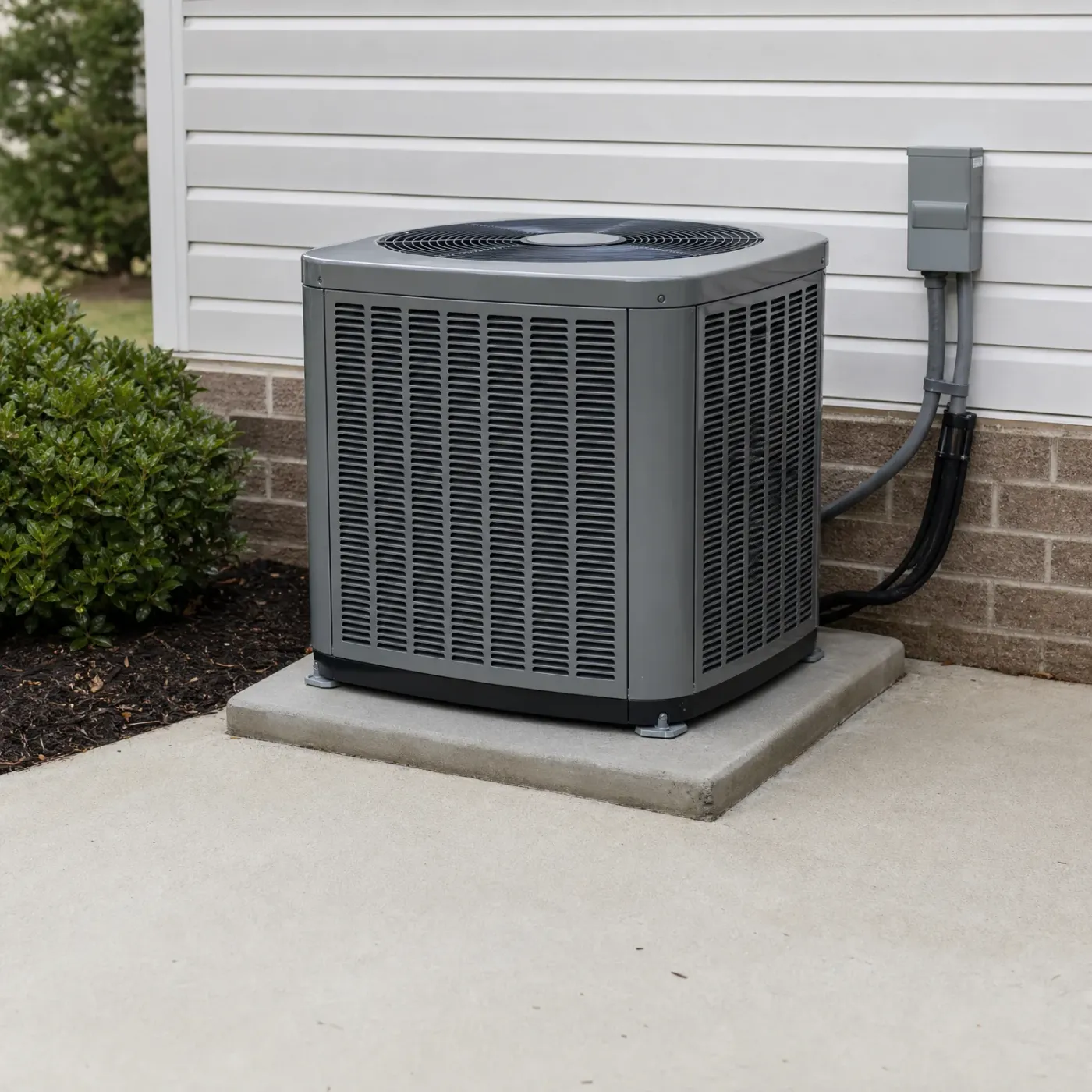
An outdoor air conditioning condenser unit on a concrete pad beside a house with light vinyl siding, an electrical disconnect box and conduit on the wall, bare shrubs and mulch to the right, and a concrete walkway in the foreground.

Falling behind

A unit that can't keep up runs without much rest. It's still on the pad doing its job, but the house isn't catching up to the thermostat. That points to a charge, airflow, or capacity problem a contractor needs to look at.

A woman with long wavy brown hair in a grey ribbed sweater sits on a couch indoors, looking toward a window, with a potted palm-like plant and fireplace behind her.
A woman with long brown hair wearing a green V-neck top and beige cardigan sits on a light sofa, looking off to the side, with a dining table, lamp and framed picture in the background.
A woman with long dark hair in a cream knit sweater sits on a beige sofa indoors, looking toward a bright window with a houseplant and framed picture in the background.
A woman with long dark hair in a green knit sweater sits on a couch indoors, smiling and looking toward a window with a blurred room behind her.

An air conditioner pro near you

A unit that can't keep up doesn't stop working. It just stops winning. The compressor keeps running, the fan keeps turning, and the thermostat still says 78 when the house is sitting at 83. That gap is what tells you this isn't about patience. Something in the system, the charge, the airflow, the coil, isn't doing its part anymore, and another muggy afternoon won't fix that on its own. The longer a struggling unit runs flat out on a 95 degree day, the more strain it puts on parts that were already working harder than they should. Getting a contractor who works on Georgia systems to look at it now means someone is actually diagnosing the problem instead of you running the AC nonstop and hoping tomorrow is cooler. That's one less thing sitting on your list this week.

What this means for your house

A house that can't get below 83 on a bad afternoon isn't just uncomfortable upstairs. Whoever is home during the day feels it first, long before the thermostat reading changes enough for anyone to act. Kids napping, someone working from home, an older parent in the back bedroom, all of them sitting in air that's circulating but not actually cooling. The rooms farthest from the return duct usually fall behind first, so if one bedroom always runs warmer than the rest, that's where this shows up worst. By the time the whole house feels it, the system has likely been losing ground for hours.

What it costs you to wait

A system working this hard doesn't just fail to cool the house, it runs longer to fall short, and that time adds up on the power bill whether the house ever reaches 78 or not. Left alone through a run of 95 degree days, the strain tends to land on whatever part was already weakest, often the compressor itself. A unit that struggles in August and gets no attention is usually in worse shape by next summer, not the same shape. The sooner someone looks at what's actually causing it, the more of the system's remaining life stays intact.

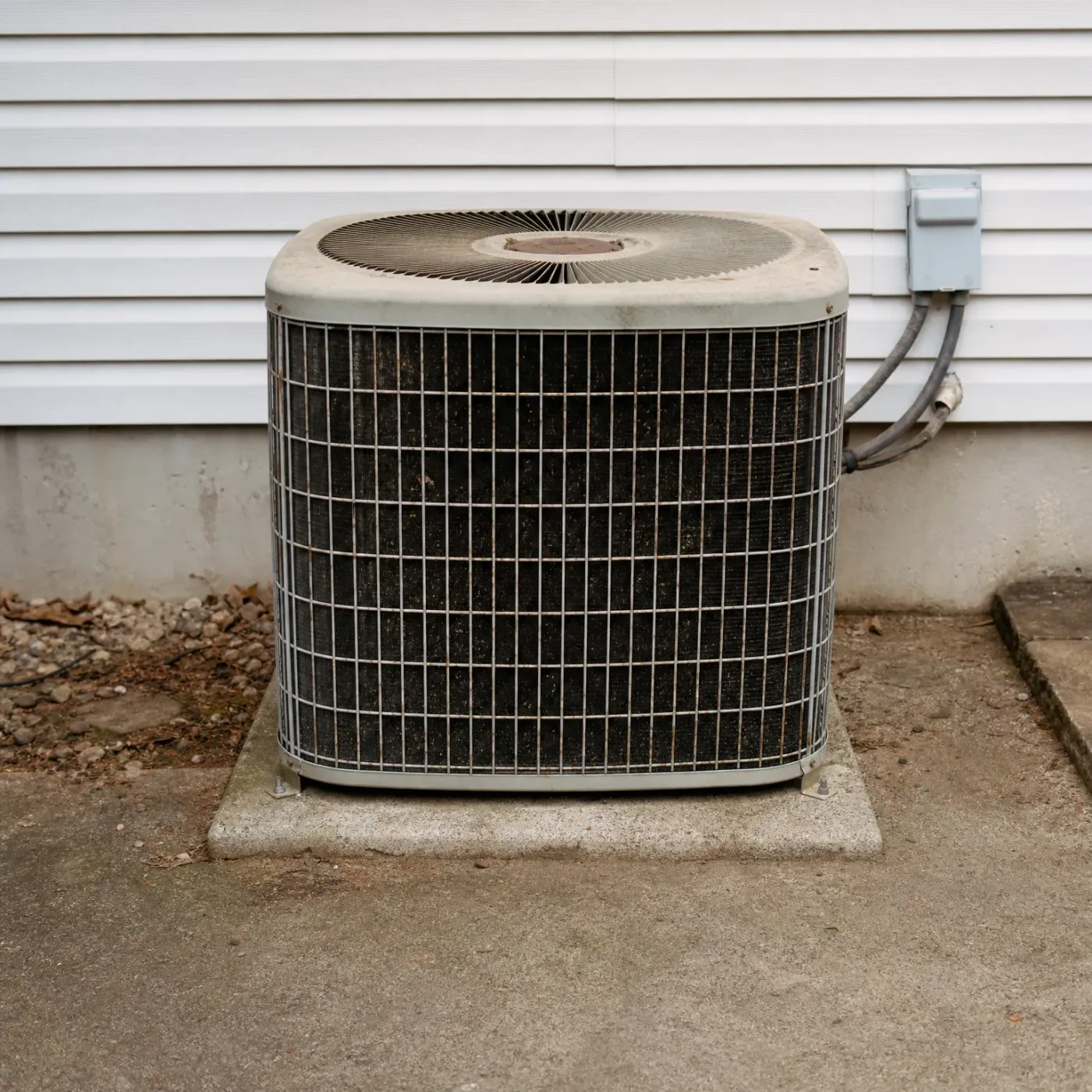
An outdoor air conditioner condenser unit on a concrete pad beside a house with light horizontal lap siding, with an electrical disconnect box and conduit on the wall behind it.
Before you get your air conditioner repair
An outdoor air conditioning condenser unit on a concrete pad beside a house with white horizontal lap siding, with an electrical disconnect box and insulated refrigerant line on the wall and a shrub over mulch to the right.
After you get your air conditioner repair

A unit sized right for your house

It cycles off between runs, so the compressor gets a break even on a 95 degree day. The house holds at the thermostat setting instead of drifting a few degrees above it.

Connect with a pro

A unit that's lost the fight

It runs close to nonstop and still can't pull the house down to 78. Everyone home during the day feels the gap between what the thermostat says and what the rooms actually feel like.

Connect with a pro

Power costs 14.74 cents per kilowatt-hour statewide

At 14.74 cents per kilowatt-hour, a struggling AC costs you more than comfort. A unit that runs nonstop trying to catch up on a muggy afternoon burns through power the whole time, not just when it's actually cooling the house down.

EIA-861 2025 statewide residential average

A gray outdoor air conditioner condenser unit on a concrete pad beside a house with white horizontal siding and a brick foundation, with a wall-mounted disconnect box and conduit, and a green shrub with mulch at left.
A clean condenser with clear airflow around it keeps up with a Georgia afternoon without strain.
An outdoor air conditioning condenser unit on a concrete pad beside a house with white horizontal vinyl siding, with a gray electrical disconnect box and refrigerant lines on the wall behind it.
A grille caked in dirt chokes off airflow, so the unit runs harder and still falls behind.
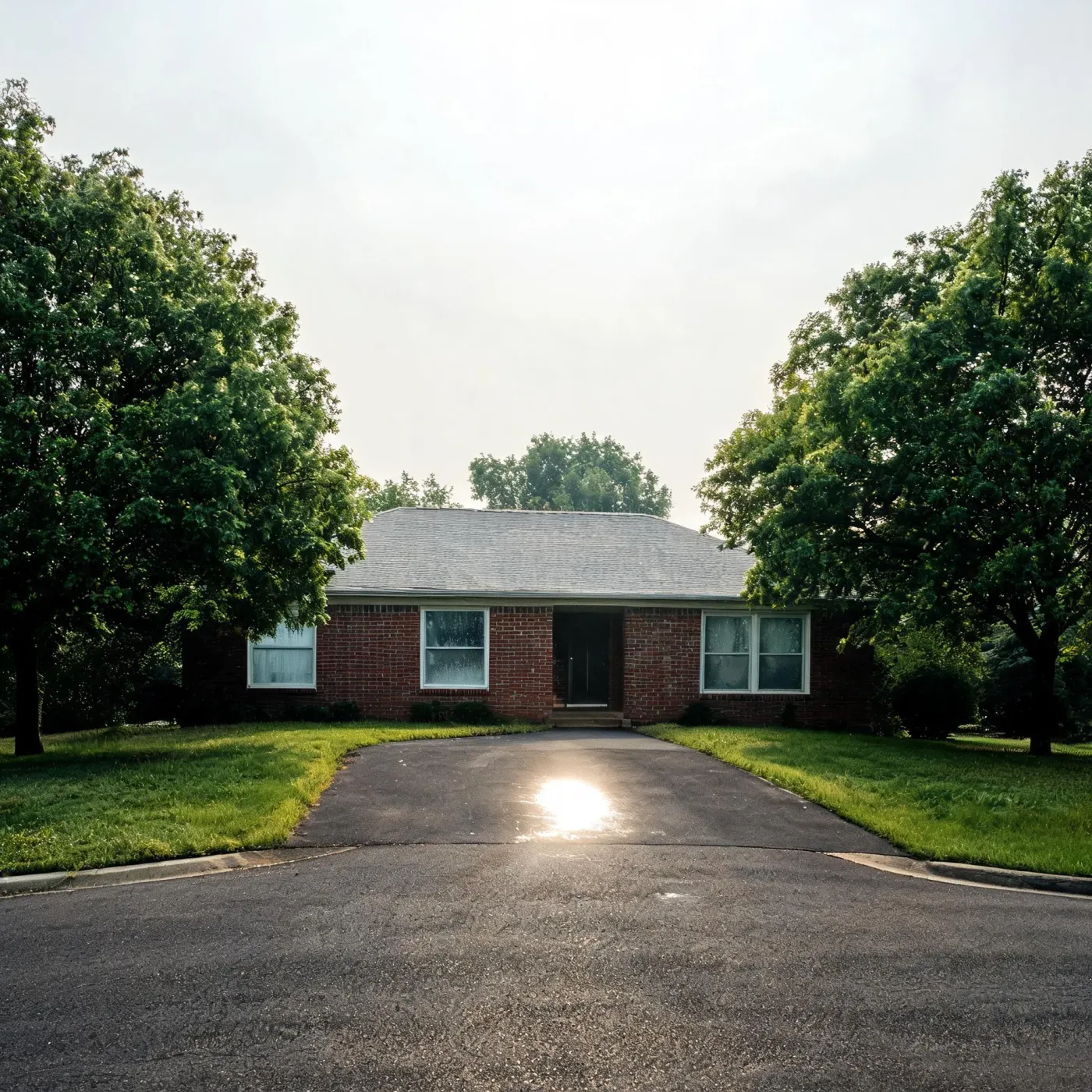
A single-story red brick ranch house with a gray shingled roof, white-framed windows and a central dark front door, fronted by a wide asphalt driveway, green lawn and large deciduous trees on both sides under a bright hazy sky.

Summer air in Georgia carries a dew point around 68°F on average across June, July and August, according to NOAA climate data. That's heavy air. Your AC has to pull that moisture out of the air before the house feels any cooler, and that's on top of lowering the temperature itself. On a dry 90 degree day, the unit would have an easier time than it does here on a muggy 85 degree one. That's why the thermostat can say 78 and the house still feels sticky.

NASA POWER T2MDEW county cells weighted by homes

An older woman with gray hair in a bun and glasses, wearing a beige knit sweater, smiles while looking to the side in a warmly lit kitchen, with a loaf of bread on the counter in the foreground and a snowy scene outside the window.
A woman and a sleeping child wrapped together in a cream knitted blanket on a couch, with a potted plant, framed photo and lit lamp in the background.
A smiling man in a denim shirt and white t-shirt stands in an open dark doorway of a stucco house, facing a woman with long brown hair and a green jacket seen from behind in the foreground.

When your AC can't keep up, it's telling you something

A Georgia summer will find any weakness in a cooling system. The heat and the moisture together ask more of your AC than a dry 94 degree day ever would, and a unit that's lost a step shows it on exactly these afternoons. If yours is running long and the house still isn't hitting the thermostat setting, that's not the weather winning. It's a sign something in the system needs attention before the next heat wave finds it again.

You don't have to figure out what that something is. Once you answer a few questions about your system and your house, a contractor who works on units like yours gets in touch to sort out what's keeping your AC from keeping up. Finding the right person for the job stops being something you have to manage. You'll know where things stand, and the house can get back to holding at 78 instead of drifting toward 83 every time it gets hot outside.

Interior corner of a room with a window and sheer curtain at left, a gray upholstered sofa with a cushion at right, and a round wooden table holding stacked books and a round vase with an olive branch.
A house roofline with a stone chimney rises above trees, with a tall pine, Spanish-moss-draped oak branches, and misty hills in the background.

Get the right pro for your air conditioner

Find a pro near me

No charge to send it. You decide if you hire them.

A unit that falls behind on a bad afternoon rarely fixes itself by evening. Getting it looked at now means you're not guessing through the next heat wave, wondering if today is the day it finally quits. Send the request and the search for the right contractor stops being something you have to manage.