
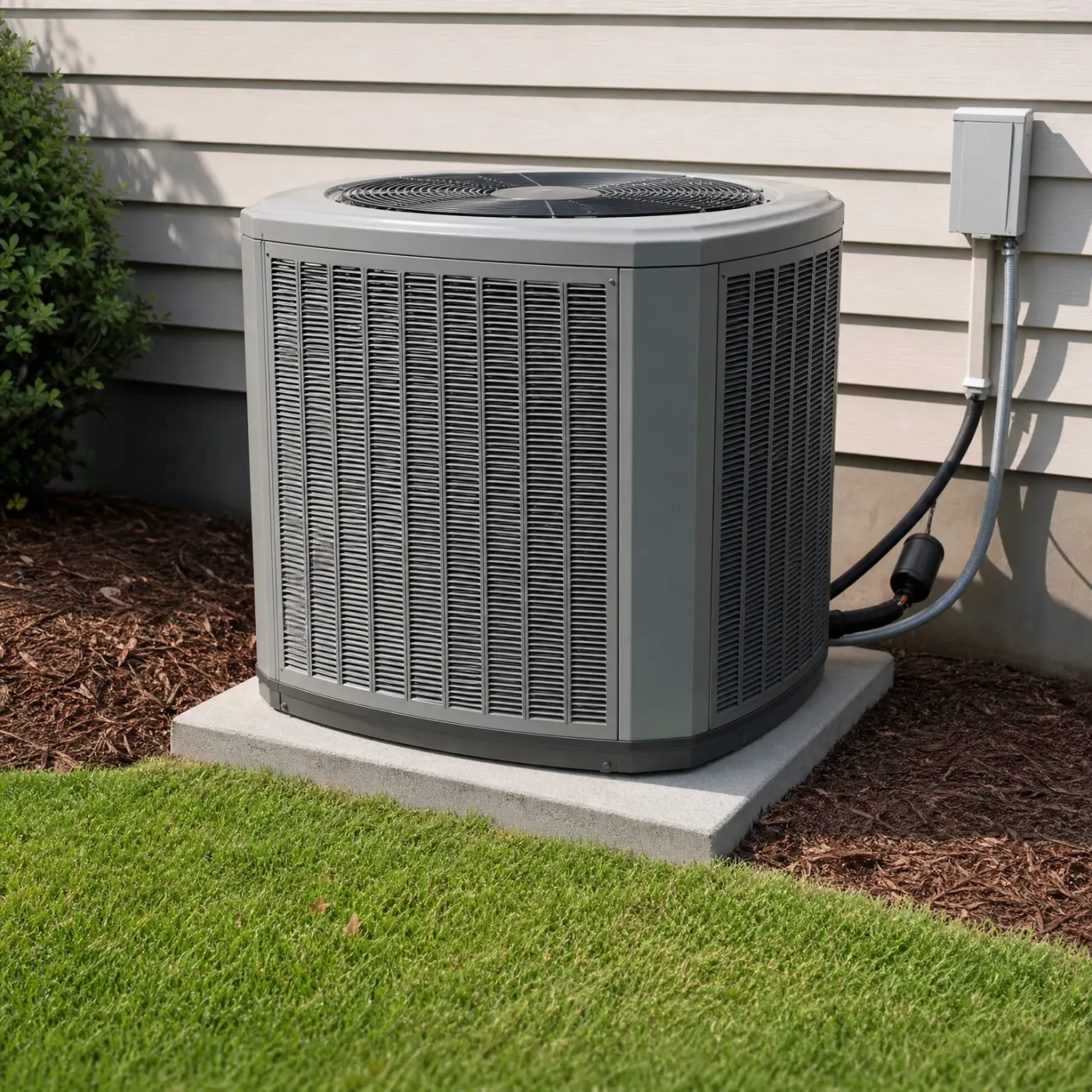
Compressor running fine
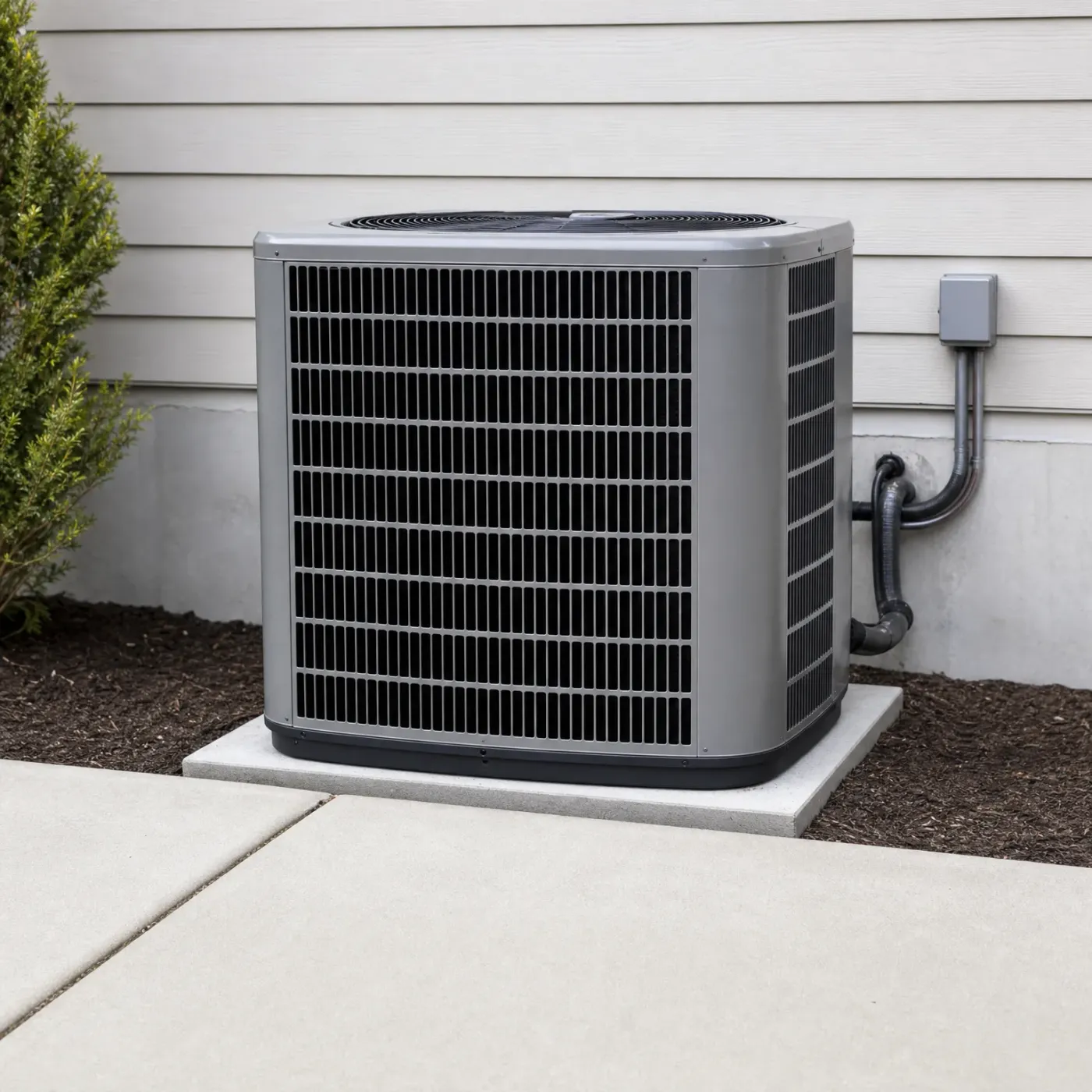
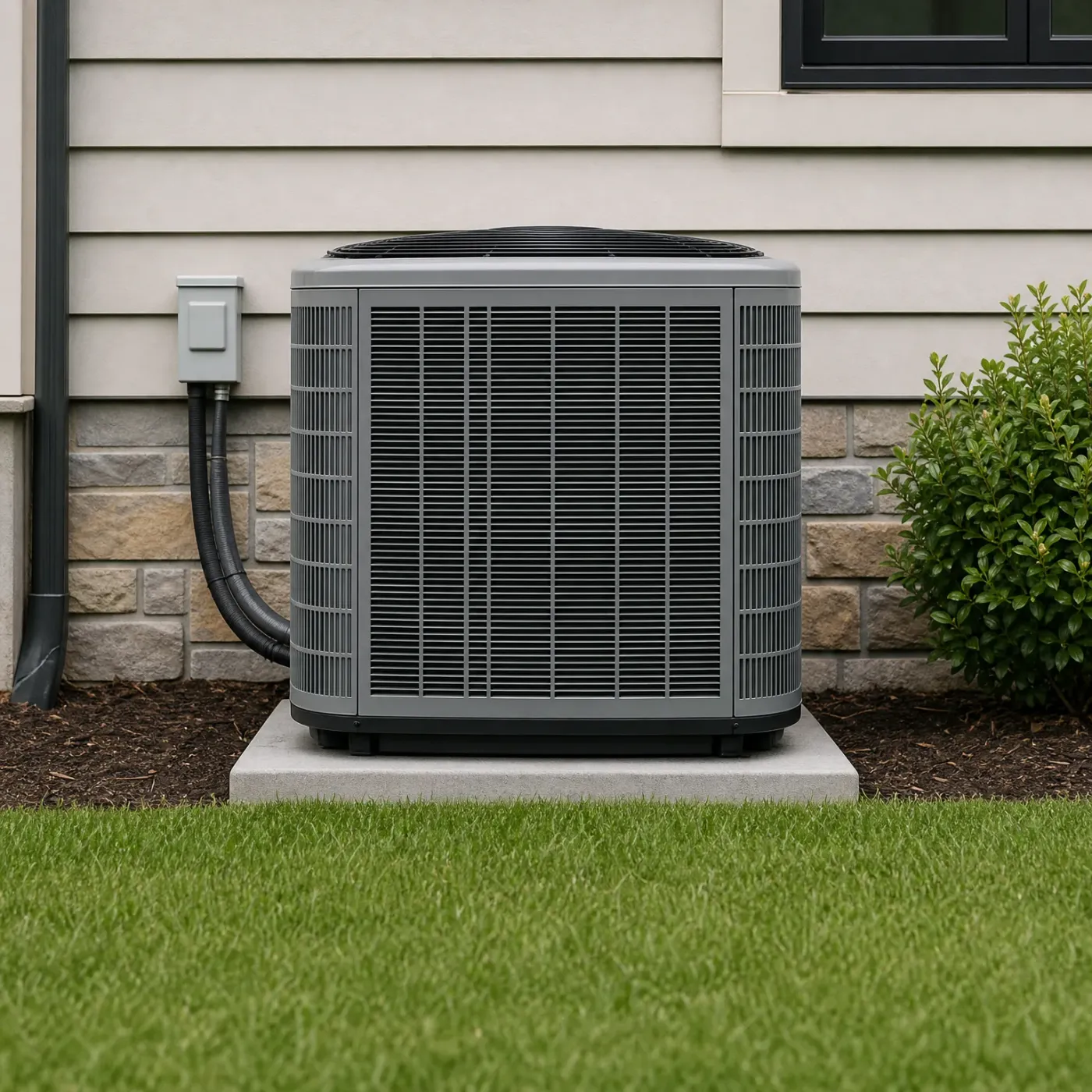
The outdoor unit hums along, you can feel it vibrate a little against the pad. Warm air pushes out the top, the fan spins steady, and cold air keeps coming through the vents inside. Nothing to check here, it's doing its job.
When it's 95 degrees outside and the house is starting to feel it, the last thing you want is the outdoor unit sitting silent. You check the thermostat, it says cool, the fan might even be running inside, but that compressor just won't start. In Georgia heat, that's not something to wait out. It usually points to one of a few specific problems, not a mystery.
The compressor needs a jolt from a part called the start capacitor to get going, and when that capacitor weakens, the compressor hums or does nothing at all. Heat makes this worse. A compressor working hard through a Georgia summer runs hotter and stresses that capacitor more than it would in milder weather, which is why these failures tend to show up on the hottest days, not the mild ones. The contactor, a switch that sends power to the compressor, can also burn out from the constant cycling a long cooling season demands. Either way, the fix is electrical, not something to force by resetting breakers over and over.
The outdoor unit hums along, you can feel it vibrate a little against the pad. Warm air pushes out the top, the fan spins steady, and cold air keeps coming through the vents inside. Nothing to check here, it's doing its job.
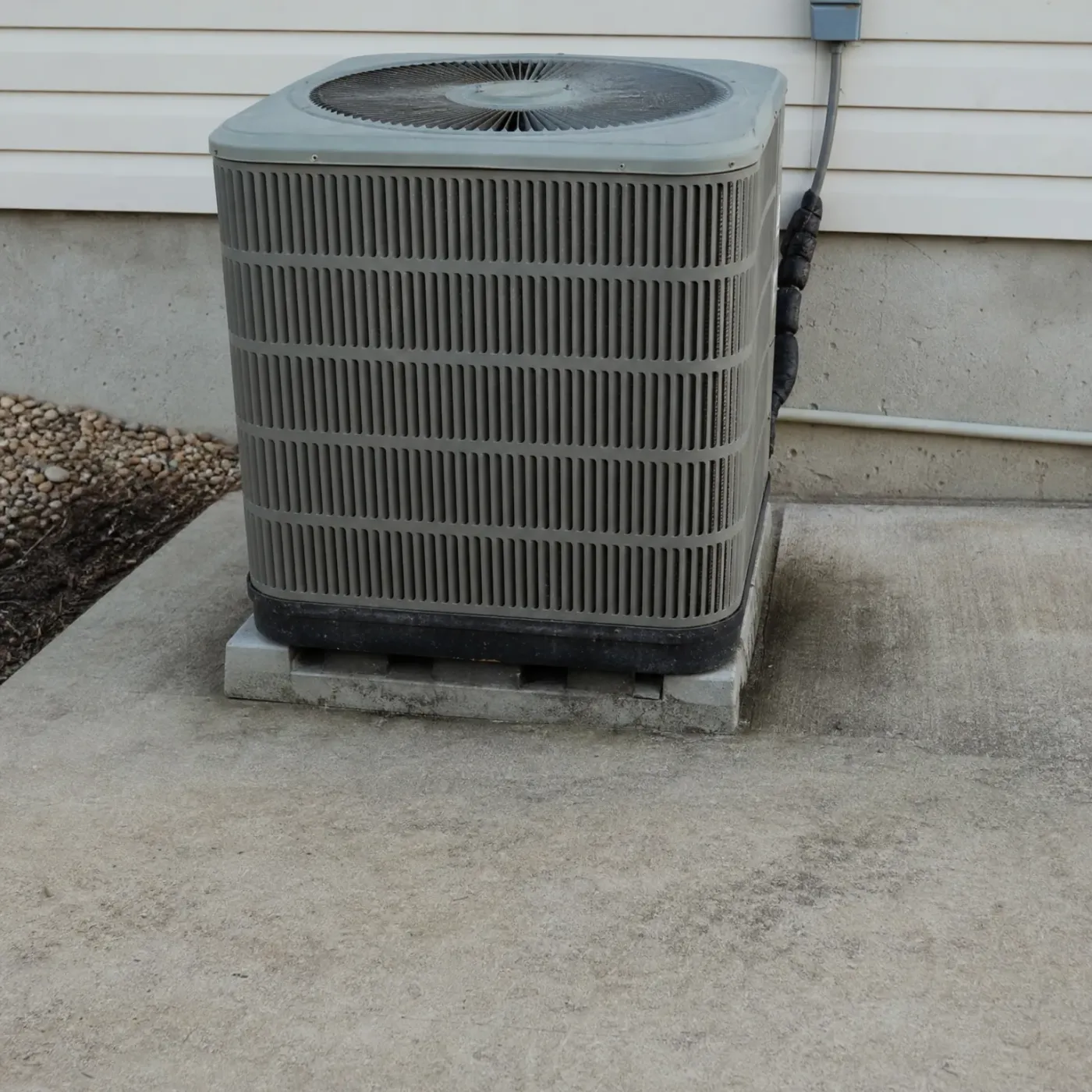
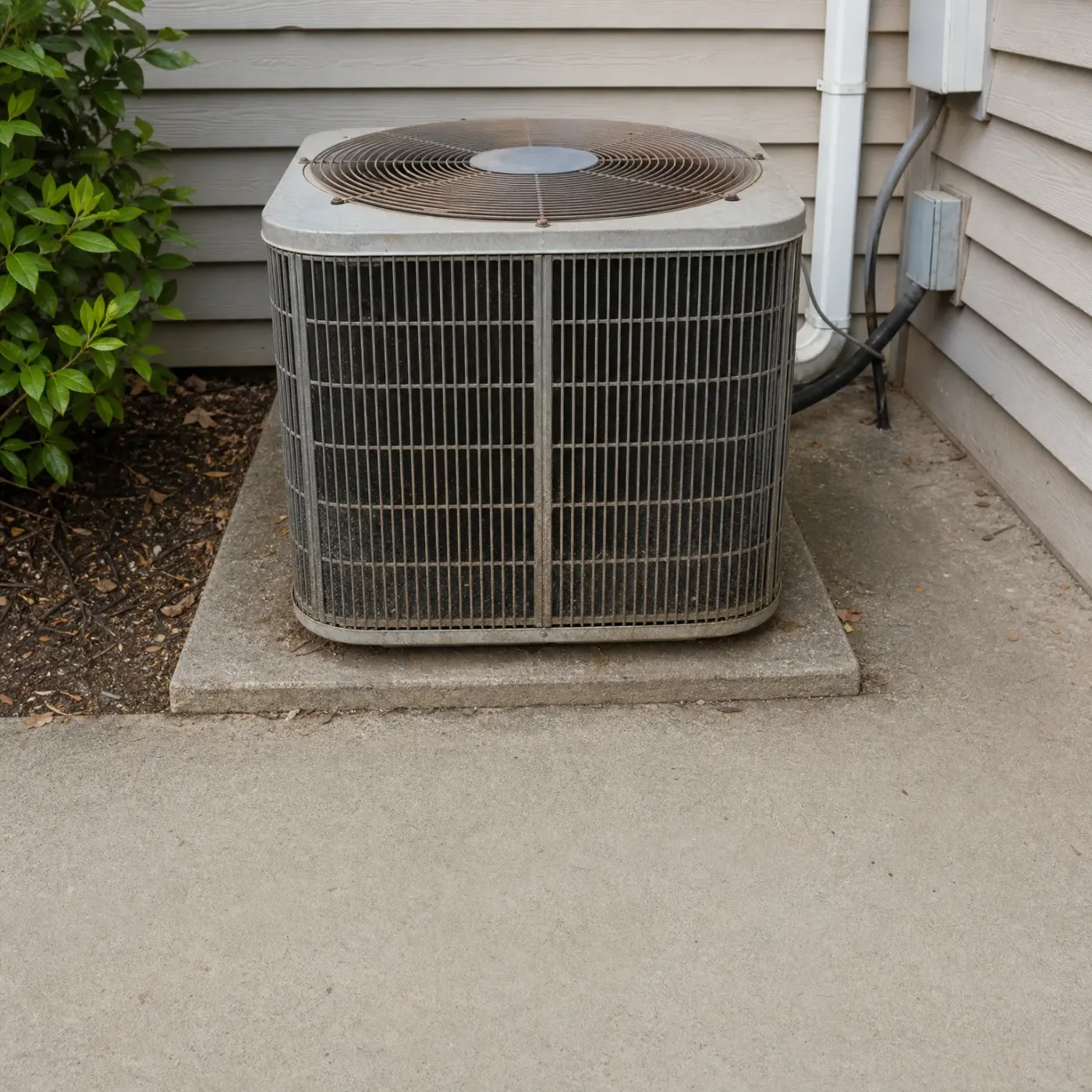
The outdoor unit sits dead quiet while the fan inside still blows. No hum, no click, no vibration at the pad. Sometimes you'll hear a faint buzz or a single click and then nothing. That's the compressor failing to start, and it needs a contractor to find out why.
Go stand by the outdoor unit. If it's quiet, no hum, no vibration, that's the compressor. Inside, the fan may still be blowing, but what comes out of the vents is just room temperature air moving around, not cooling anything. You might hear a single click or hum from the outdoor unit when the thermostat calls for cool, then nothing, or a faint buzz that never turns into a running motor. A breaker that's tripped, or one you have to hold in place, points the same direction. Meanwhile the house is holding heat, the thermostat keeps calling, and with the compressor not answering, nothing you do at the thermostat will change what's happening outside.
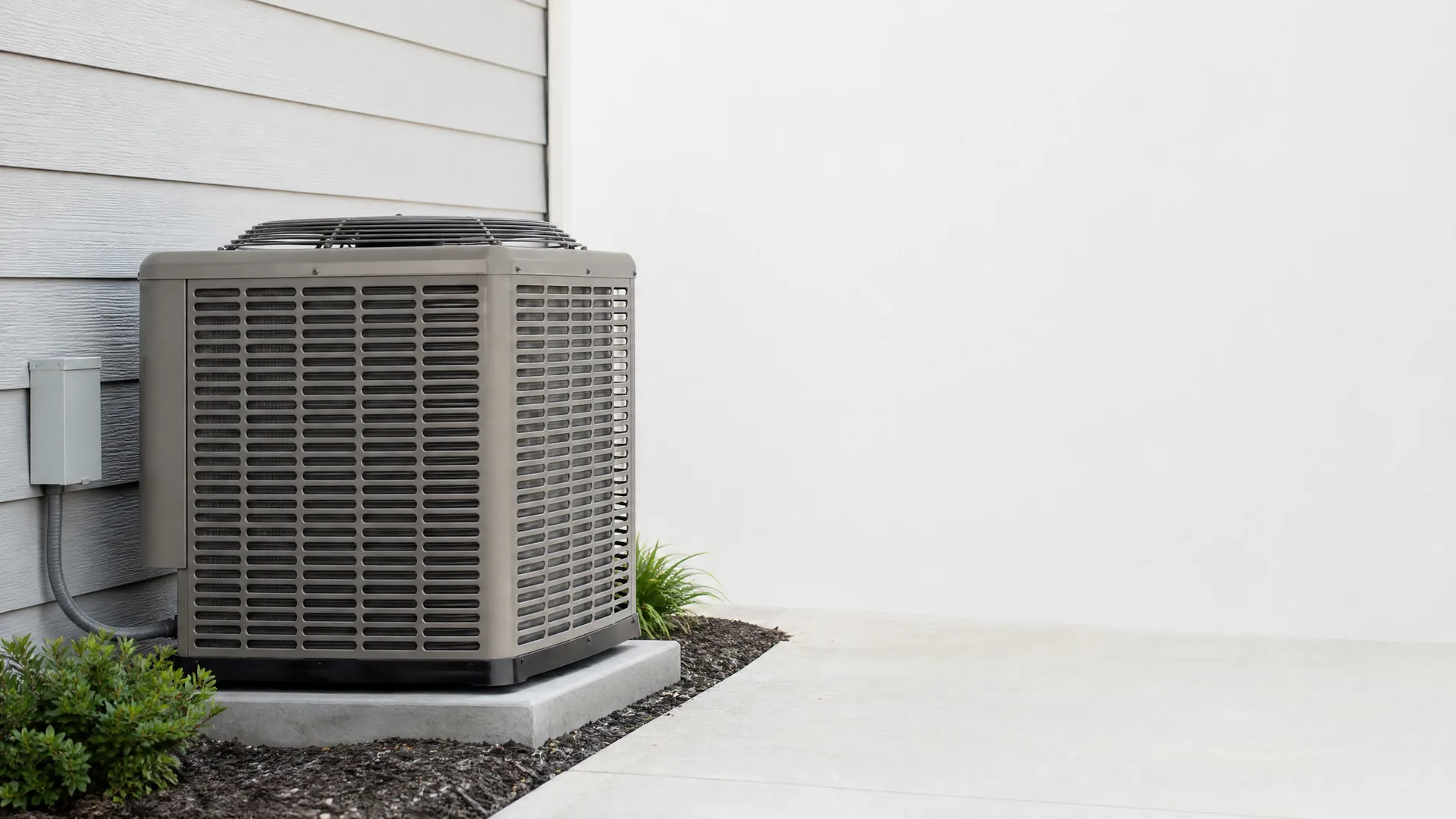
The compressor needs a strong jolt to get its motor turning, more than the run current it draws once it's moving. A start/run capacitor stores that charge and releases it at the moment the thermostat calls for cooling. Georgia summers push that capacitor hard, cycling on for hours most days from spring through fall. When it weakens, the compressor gets power but not enough push, and it just sits there humming or doing nothing at all.
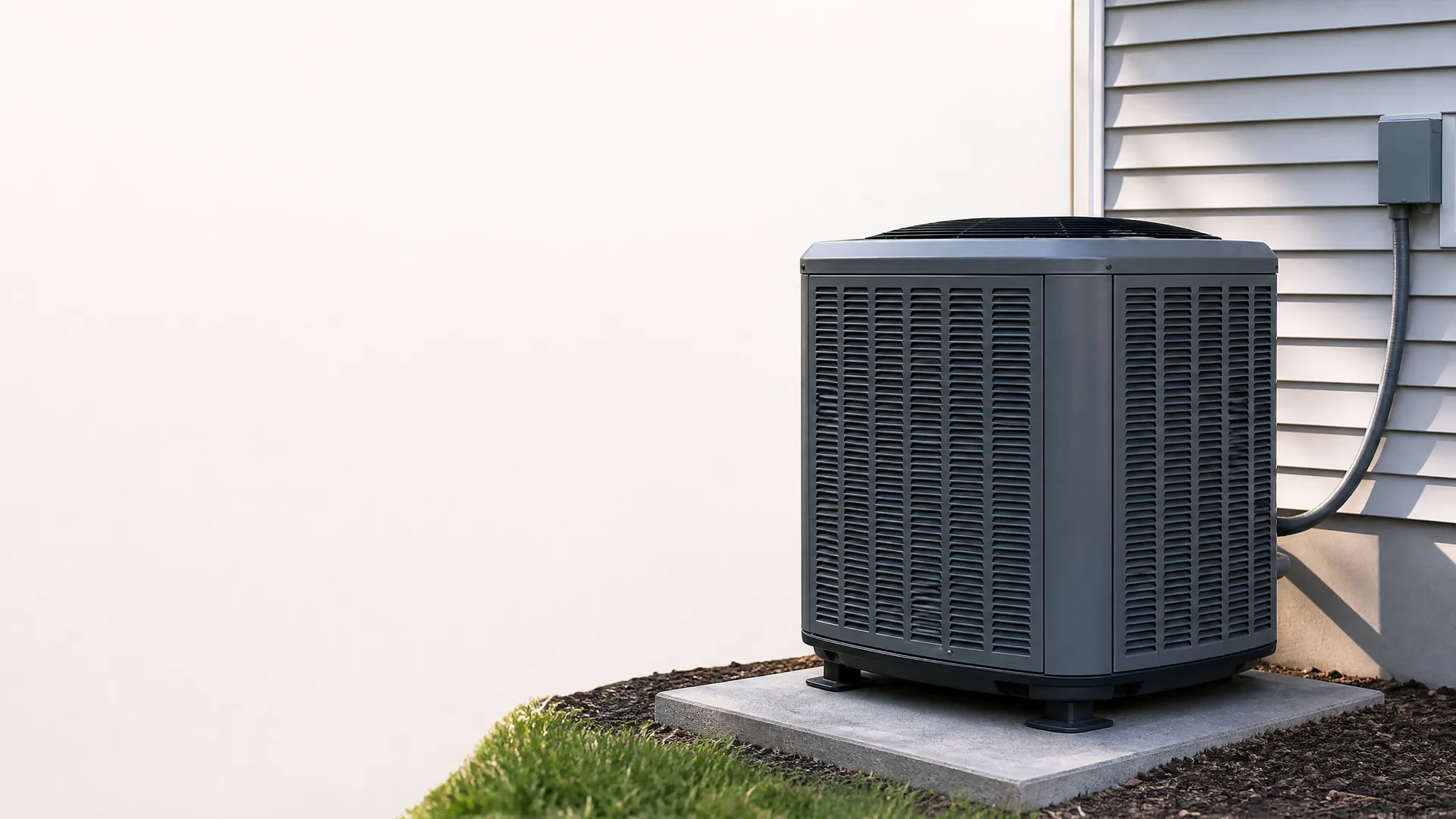
A contactor is the switch that actually sends power out to the compressor and condenser fan, and it gets pitted or stuck from the sheer number of times it opens and closes over a long cooling season. When the contacts fail, the thermostat can call for cooling all it wants, the indoor fan can keep blowing, and the outdoor unit still won't get the signal. From inside the house there's no way to tell the difference between that and a dead capacitor.

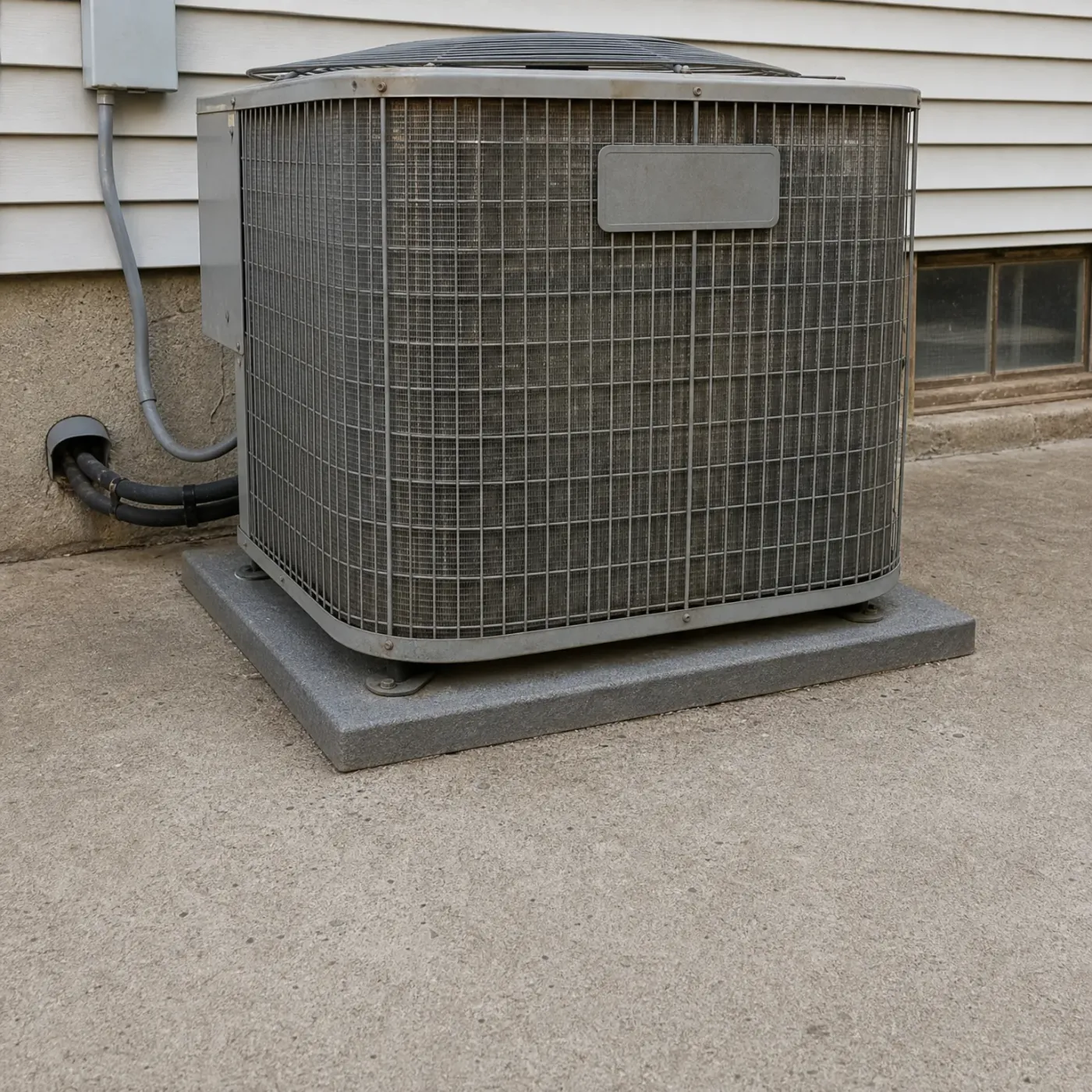
Between the compressor and the power feeding it sit two things most homeowners never see. A disconnect box, usually gray metal, mounted on the wall right next to the outdoor unit, holds a pull-out block or breakers that can be switched off for service. Inside the unit itself, a contactor is the relay that actually completes the circuit. The thermostat doesn't send power to the compressor directly. It sends a low-voltage signal that tells the contactor to close, and the contactor is what lets full power through to start the compressor motor. If that contactor's coil has burned out, or its contacts are pitted and won't close, the signal arrives and nothing happens.
Ants are drawn to the low hum of current in a contactor and sometimes get into one by the dozens, which can short it out. Either way, this isn't something to open up and check yourself with the power still live. A contractor matched to your situation in Georgia can test the disconnect and contactor in minutes and knows what to look for inside that box. Once the call is made, figuring out which part failed stops being something you have to puzzle through on your own.





Send the request today and let an air conditioner pro reach out to you.
Asking costs nothing, and the choice to hire stays yours.
A dead compressor on a 95 degree afternoon doesn't stay a one room problem for long. Warm, damp air works into the furniture and the carpet, and anyone sensitive to heat, a toddler, someone older, starts feeling it before you do. Georgia summers don't let a house coast on an open window or a box fan, not with the humidity sitting the way it does. The indoor fan can run all day moving that same warm air around and never bring the temperature down, which means the thermostat reading climbs and the system cycles on and off without ever satisfying itself, something that tends to run up the power bill without cooling anything. The longer the compressor sits idle, the more the heat soaks into walls and belongings, and what started as one hot afternoon turns into several uncomfortable days while everyone in the house adjusts around it.
Georgia summers carry a dew point that averages 68°F across June, July and August, a figure the National Weather Service tracks for the state. Air that heavy makes the compressor work longer on every single cycle, since it's wringing moisture out of the air on top of cooling it. That extra load is hard on a weak capacitor or a contactor with worn contacts, the kind of part that might limp through a drier climate but gives out here. If your compressor has been slow to start or cutting off on its own this summer, that strain is likely part of why. It's also why a dead compressor shows up more on the muggiest afternoons than on a mild day.
NASA POWER T2MDEW county cells weighted by homes
Thermostat closes its contacts and sends a 24 volt call to cooling
That signal energizes the contactor coil in the outdoor unit
The contactor's metal contacts pull together and close the circuit
Line voltage flows through the closed contactor to the compressor terminals
At 14.74 cents per kilowatt-hour, a compressor that's stuck trying to start, drawing current without turning, adds up fast on your bill even before it trips a breaker. A contractor can catch that draw before it costs you more or takes out the capacitor too.
EIA-861 2025 statewide residential average
You wait it out a day or two, hoping the compressor kicks on by itself once the heat breaks. It doesn't, because whatever stopped it, a failed capacitor, a tripped contactor, a dead circuit board, isn't going to fix itself.
You get a contractor out to look at it, and the outdoor unit starts right up again. The part that failed gets replaced, the compressor pulls its normal current, and cold air comes through the vents the same afternoon.


A compressor that won't start has one of three causes behind it. The capacitor lost its charge, the contactor failed to close, or power isn't reaching the unit at all. You've checked the breaker and the disconnect by now, so you know whether it's power or the compressor itself holding things up. A hum with no start means the capacitor is weak but the compressor still wants to run. Silence, or a breaker that trips every time you reset it, means something has to be replaced before that outdoor unit does anything again. Waiting doesn't change any of that. The part that failed stays failed, and in the meantime a compressor trying to start without turning over pulls current it shouldn't, which can take the capacitor down with it or trip the breaker outright. Georgia heat doesn't pause while you figure out which part it is. Once you send the form, that part stops being yours to figure out. A contractor takes the diagnosis from here, tests the capacitor, the contactor, the wiring, and tells you plainly what failed and what it takes to fix it. You don't need to know which of the three it is before you reach out. You just need to know the house doesn't fix this on its own, and neither do you, not without the right parts and the tools to test them safely.

No fee to send it, and nothing to sign.
A compressor that won't start doesn't need a guess, it needs someone who can test the capacitor, the contactor and the power feeding it and tell you which one failed. Send the request and that part becomes someone else's job to track down, not another thing you're waiting on in the heat.