
A quiet hum, nothing more
A healthy condenser runs with a low, steady hum. Air moves through the fins without a rattle. The fan spins true, the panels sit flush and quiet. This is what the unit should sound like most of the time it runs.
A buzzing AC unit usually means something electrical is struggling. The sound often comes from the outdoor unit, where a capacitor is weakening or a contactor relay is chattering as it tries to send power to the compressor or fan motor. Loose panels or screws can also buzz as the cabinet vibrates while the unit runs. Running an air conditioner nearly nonstop through a Georgia summer puts real strain on these parts, since the system starts and stops more often and the compressor works harder in the heat and humidity. A capacitor that's starting to fail often buzzes before it quits completely, and once it does, the compressor or fan motor can stop running or get damaged trying to start without it. If your outdoor unit is buzzing but the air inside isn't cooling like it should, that's often a sign the problem is getting worse, not staying the same.
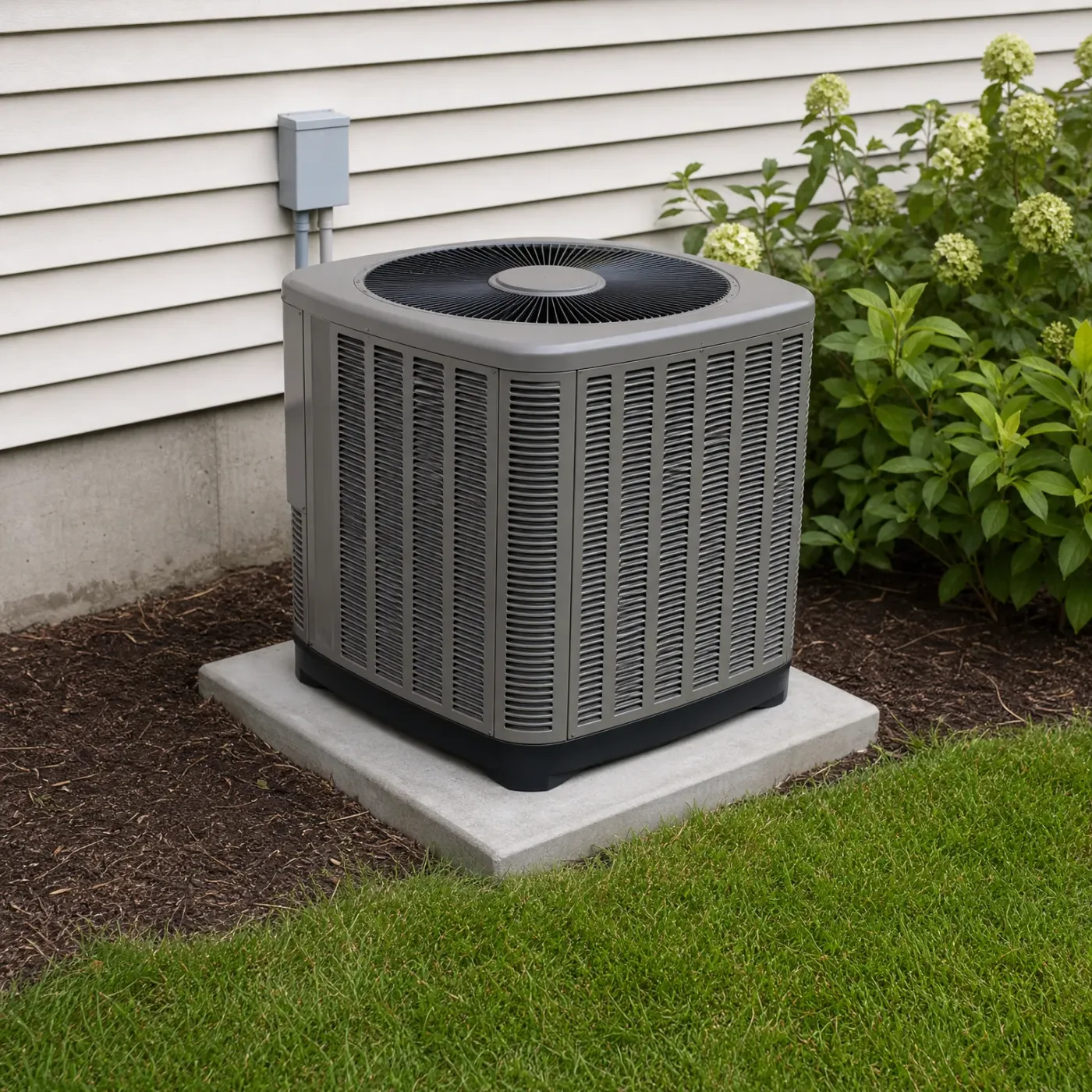
A healthy condenser runs with a low, steady hum. Air moves through the fins without a rattle. The fan spins true, the panels sit flush and quiet. This is what the unit should sound like most of the time it runs.
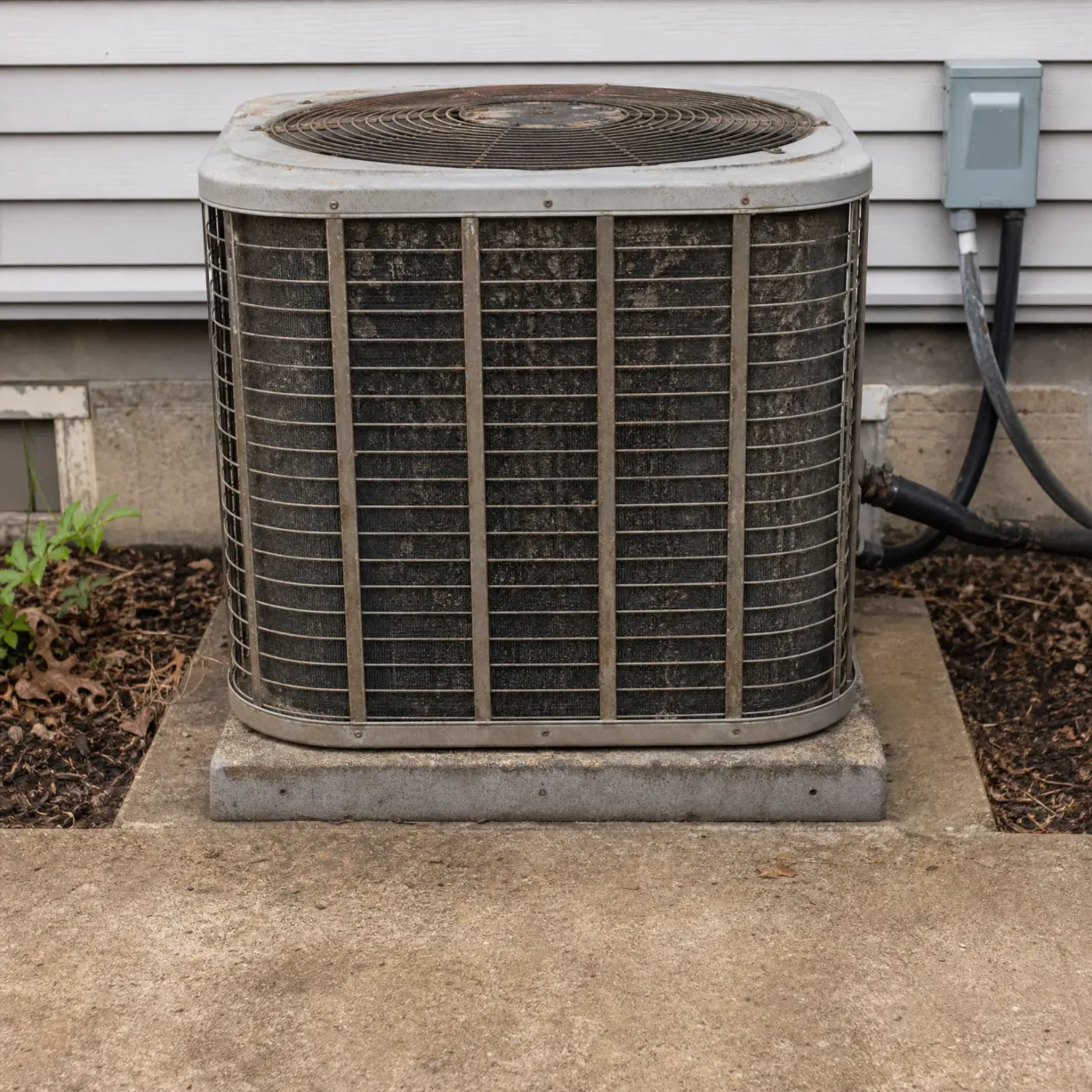
When the coil fins are packed with dirt and debris, the unit works harder to pull air through, and that strain shows up as noise. A buzz here can mean a struggling motor or a relay working overtime against the extra load.




A buzzing condenser in a Georgia yard doesn't get better with a hot, wet summer pressing on it for months at a time. Electrical parts under strain fail faster when they're already running long hours against the heat and humidity, and a capacitor or contactor that's chattering now is one that's close to quitting. Once it does, you're likely without cooling until someone can get out to look at it, which is a different problem in July than it is in October. Most people dealing with this sound don't know yet whether it's a ten dollar screw or a part that needs replacing, and finding that out usually means getting a contractor out to the unit. Instead of searching around for someone local, calling a few numbers, and walking through the same description of the noise more than once, you can hand that off now. A contractor who works on this equipment can take a look while the fix is still simple, before the buzz turns into a unit that won't run at all.
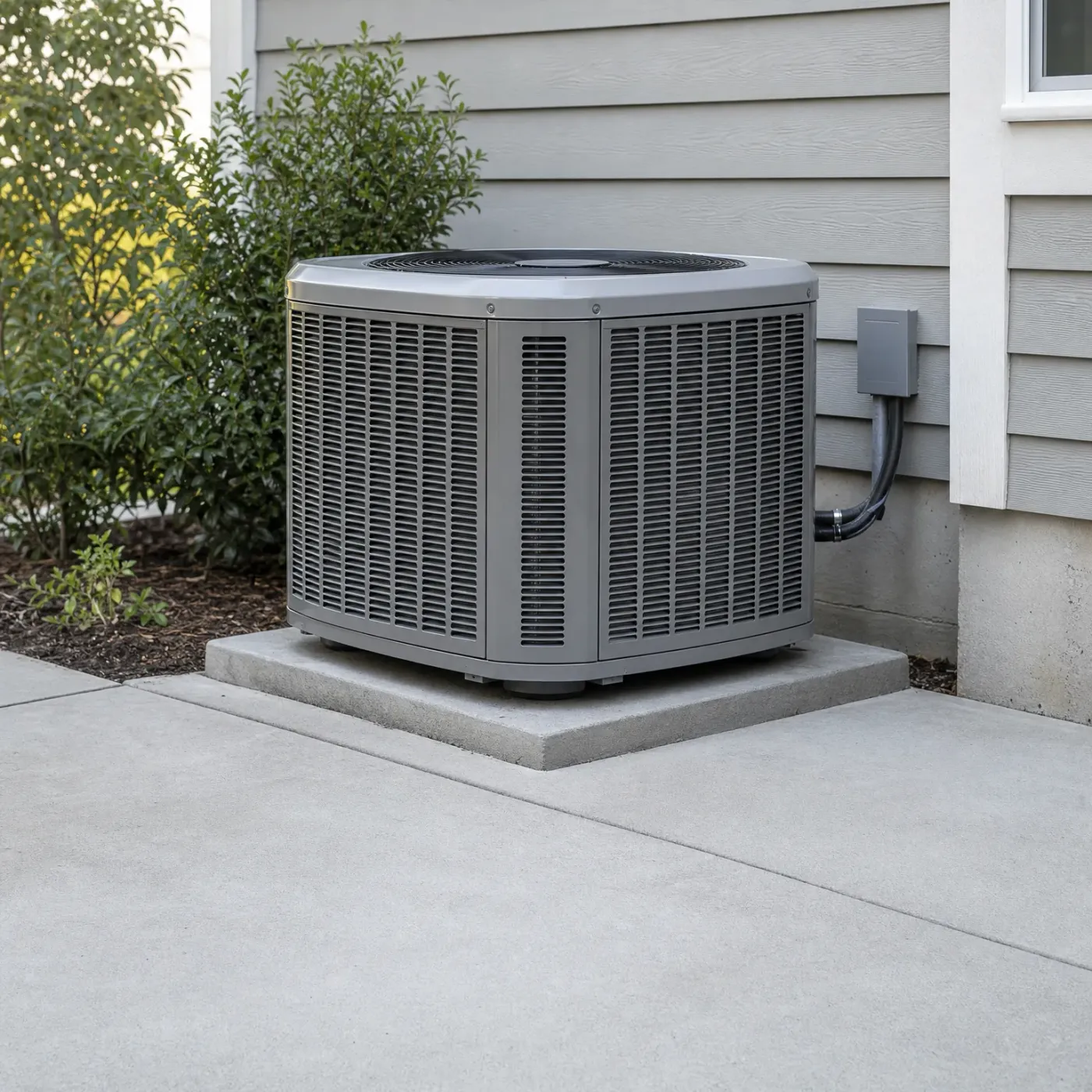
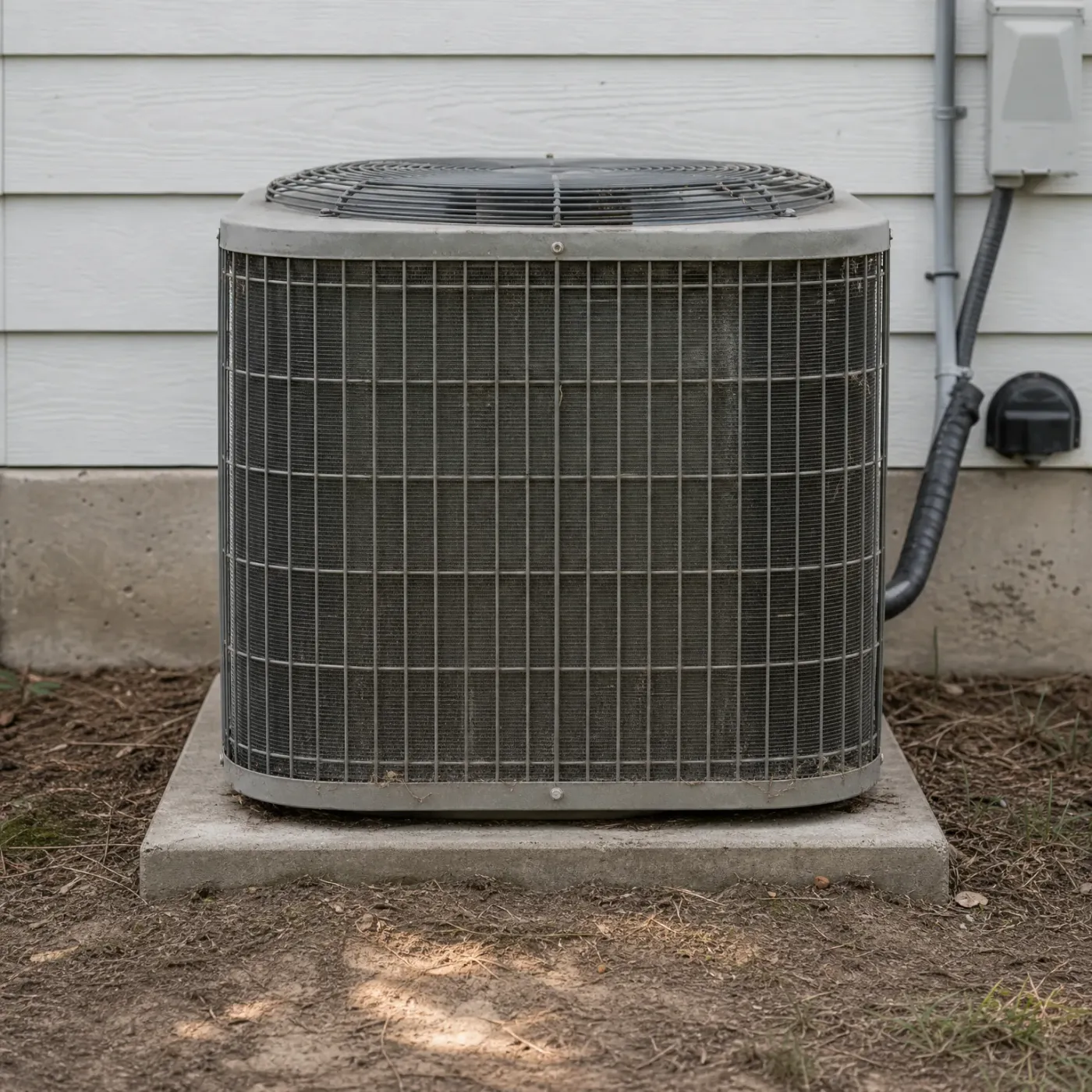
At 14.74 cents per kilowatt-hour, a buzzing AC isn't just a warning sign, it's running up your bill the whole time you put off the call. A compressor straining against a weak part draws more power than it should, and in a Georgia summer that unit can run for hours a day.
EIA-861 2025 statewide residential average
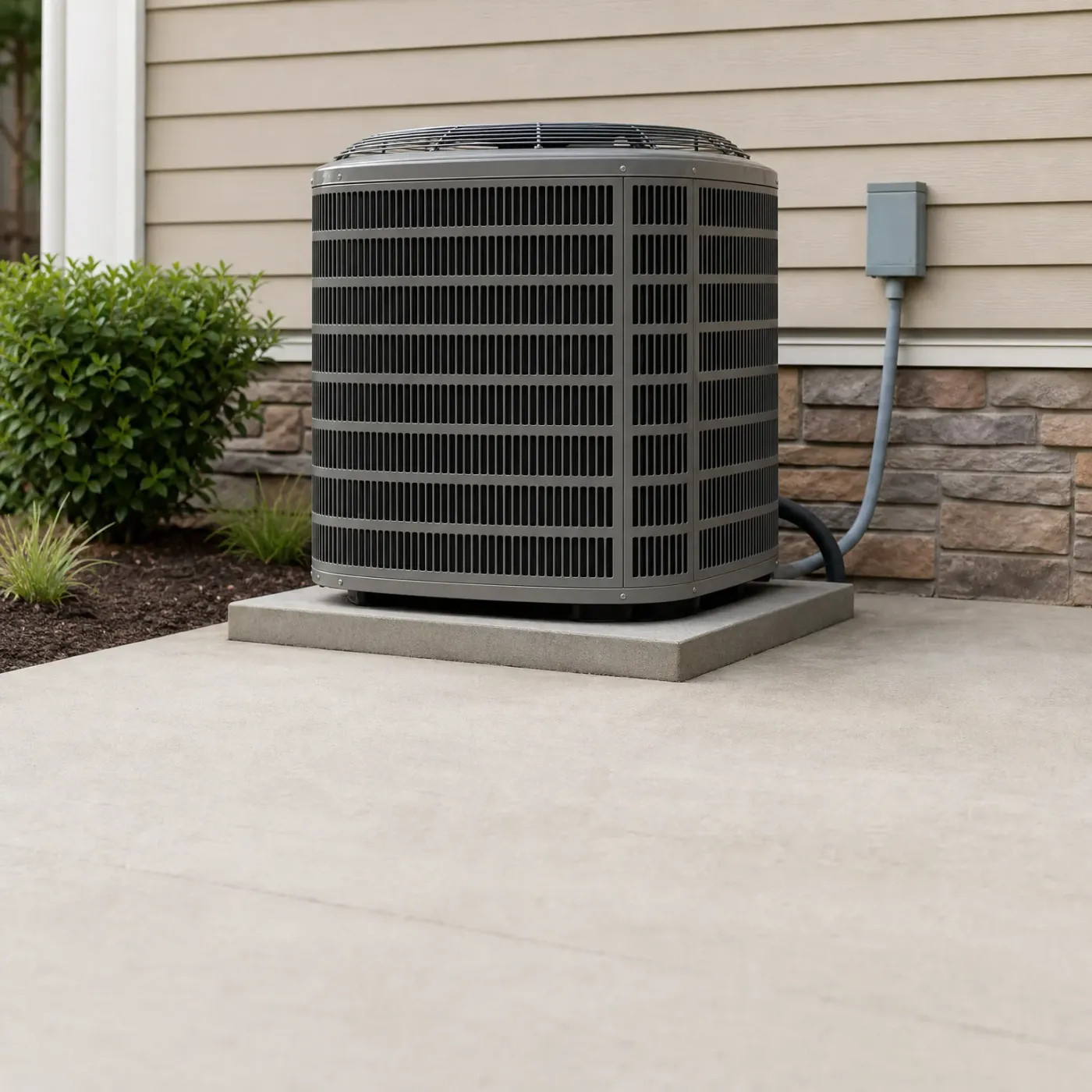
This is a condenser doing its job. The cabinet is new enough that the louvers aren't rusted, the conduit runs straight into the disconnect box, and nothing rattles when the fan kicks on. A unit like this earns the benefit of the doubt on a strange noise.
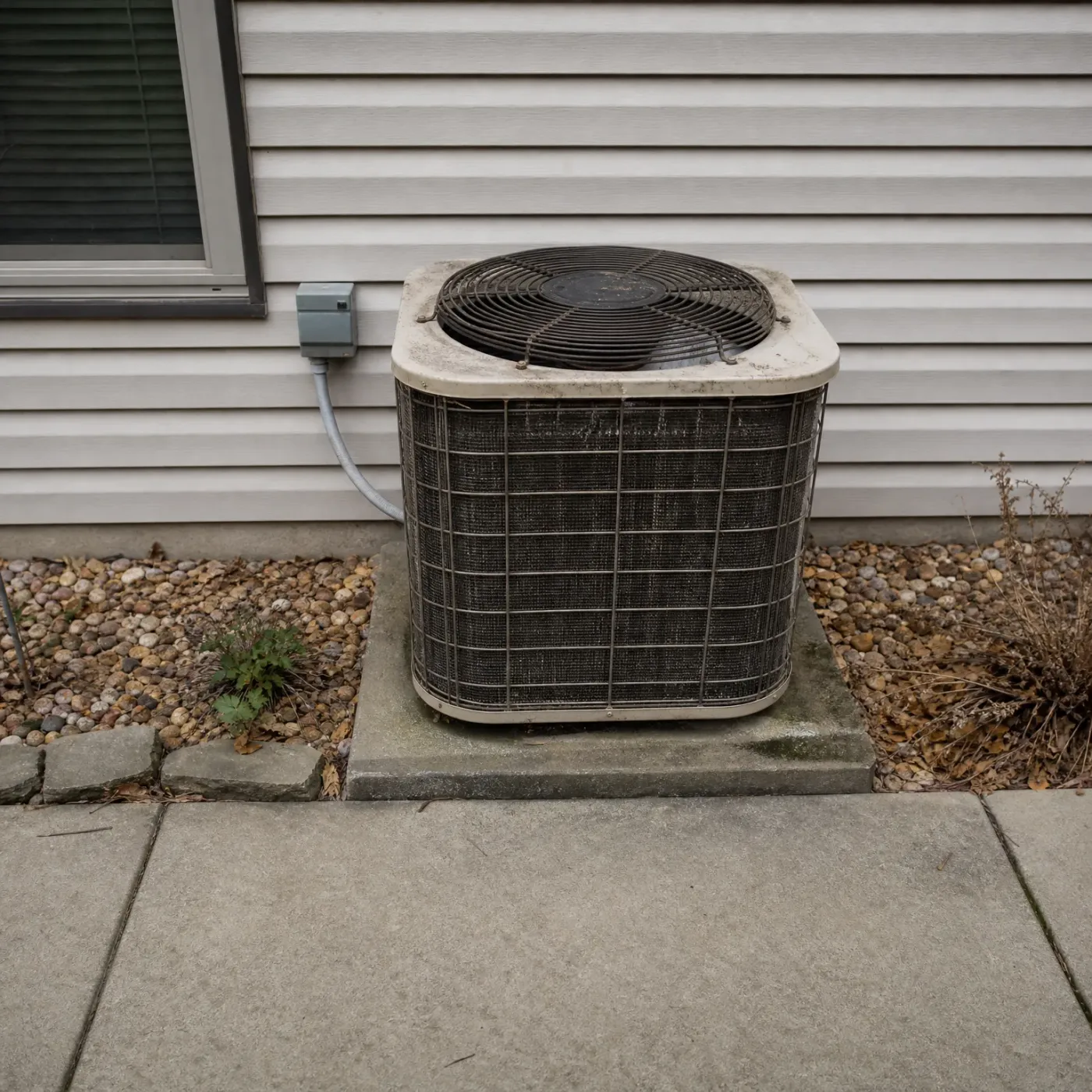
Weeds growing up through the gravel bed, siding weathered, a cabinet that's clearly logged a few Georgia summers. A buzz from a unit this age is more likely a capacitor near the end of its life than a stray screw, and it's worth having someone look before it quits in July.

A buzz from the outdoor unit is a part asking for attention, a capacitor, a contactor, a screw worked loose. Left alone through a Georgia summer, it tends to get worse, not better. Caught early, it's often a short visit instead of a compressor replacement.
Finding a contractor who can look at it this week means calling around, describing the sound more than once, and weighing quotes against each other while the unit keeps running hot and loud. Getting matched with one who covers your area and your kind of system skips that part. You get a call back, and you take it from there.



A buzzing condenser is worth a real look, not a guess over the phone. Finding someone licensed, available, and willing to work on an older unit usually means several calls, explaining the sound each time. Get matched with a contractor who handles this in Georgia, and they'll reach out to set up a time to look at it. That part is off your plate. What they find once they're there, and what it takes to fix, is theirs to tell you.
Describe what your air conditioner is doing once, in one form.
There's no charge for the request.