
20 degrees
That's roughly how much hotter a sun-baked attic can run above the outside air by mid-afternoon. That heat presses down through the ceiling into the rooms below it all evening.
You keep the thermostat on one number and the upstairs still feels ten degrees warmer by evening. You've checked the vents, closed a few doors, maybe run a box fan, and none of it touches the real problem. With Georgia summers running hot and humid for months, this isn't a one-day annoyance. You want to know if something's actually wrong with the system or if upstairs is just going to be like this.
Warm air naturally moves up through the house and settles on the top floor, so upstairs always works harder to stay cool than downstairs. That's true in any home. But if the gap is large, something is usually adding to it: a duct run that's too narrow for the distance it has to cover, a return vent that isn't pulling air back down from upstairs at all, or a system that was never balanced for a two-story layout. In Georgia, where the air outside stays hot and humid for months at a stretch, that gap shows up fast and stays all summer. A contractor can check airflow at the vents and tell you whether this is normal heat rise or a system that needs adjusting.
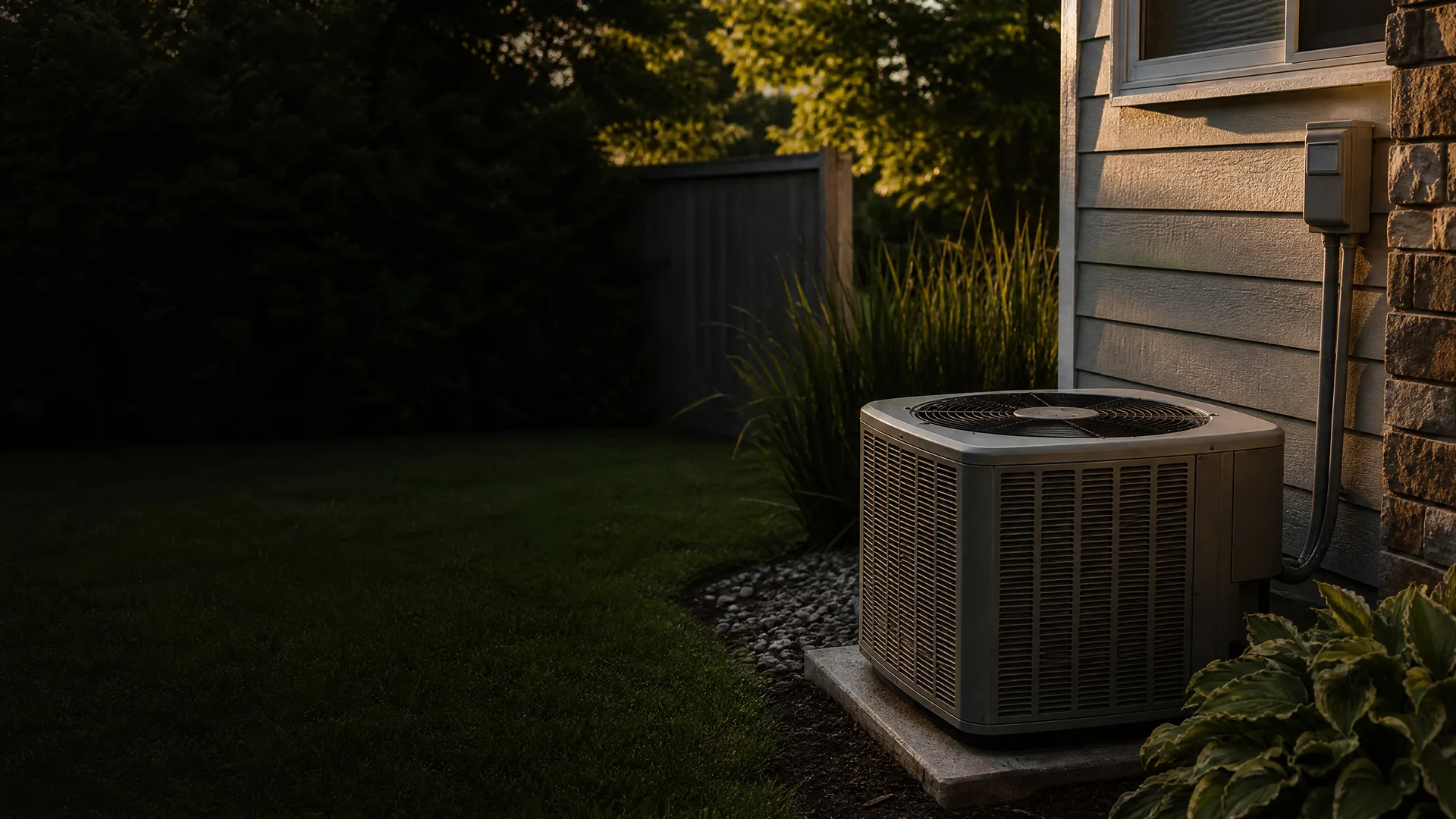
You're out back around seven, grass still warm under your feet, when you notice it. The condenser sits there against the fence, humming low, but the fan isn't turning. No air moving through the top of it. Inside, the upstairs bedrooms have been holding heat since mid-afternoon, and now you know why. You crouch down and feel the side panel, warm, and the unit keeps running anyway, drawing power and doing nothing with it. The sun's dropping behind the trees, that gold light coming sideways through the yard, and you're standing there in the muggy evening air realizing the upstairs isn't cooling down tonight either.
You notice it most at night, when you're trying to get the kids down or just want to sit still after work. The upstairs hallway feels thick. The air handler runs and runs and the thermostat up there barely moves. You might hear the system cycling more than it used to, or notice the vents blowing air that isn't as cold as the ones downstairs. Lay a hand near a supply vent and it feels weak, barely stirring. Left alone through a full Georgia summer, that imbalance doesn't fix itself. The system works harder for less result, your electric bill climbs, and the part straining to cover that gap tends to be the one that fails first.




That's roughly how much hotter a sun-baked attic can run above the outside air by mid-afternoon. That heat presses down through the ceiling into the rooms below it all evening.
A single thermostat downstairs can't read what the upstairs air handler is actually pushing out. If the airflow upstairs is off, nothing on the main floor will show it.
Hot attic air presses down and heats the upstairs ceiling
Warm air rises from downstairs and collects with nowhere to go
One thermostat downstairs reads cool and the system shuts off early
Duct runs to the upstairs rooms lose cooling before air arrives

Think about where you spend the evening. If the bedrooms are upstairs, that's the room you're fighting with every night from May to September. You run the air handler longer to chase a few degrees, and the unit downstairs still reads satisfied while the upstairs return keeps pulling warm air. Georgia summers don't let up at sundown the way some places do, so that gap between floors doesn't close on its own. A system working that hard for that many months is a system more likely to need a repair before fall, whether that's a blower motor losing strength or a duct run finally giving out.
You don't have to spend your evening sorting through that either. Instead of calling one contractor after another, explaining the same upstairs problem every time and waiting on quotes to compare, you send one form. Someone qualified to look at your ducts, your attic, and your system takes it from there. That's the part that stops being your job.

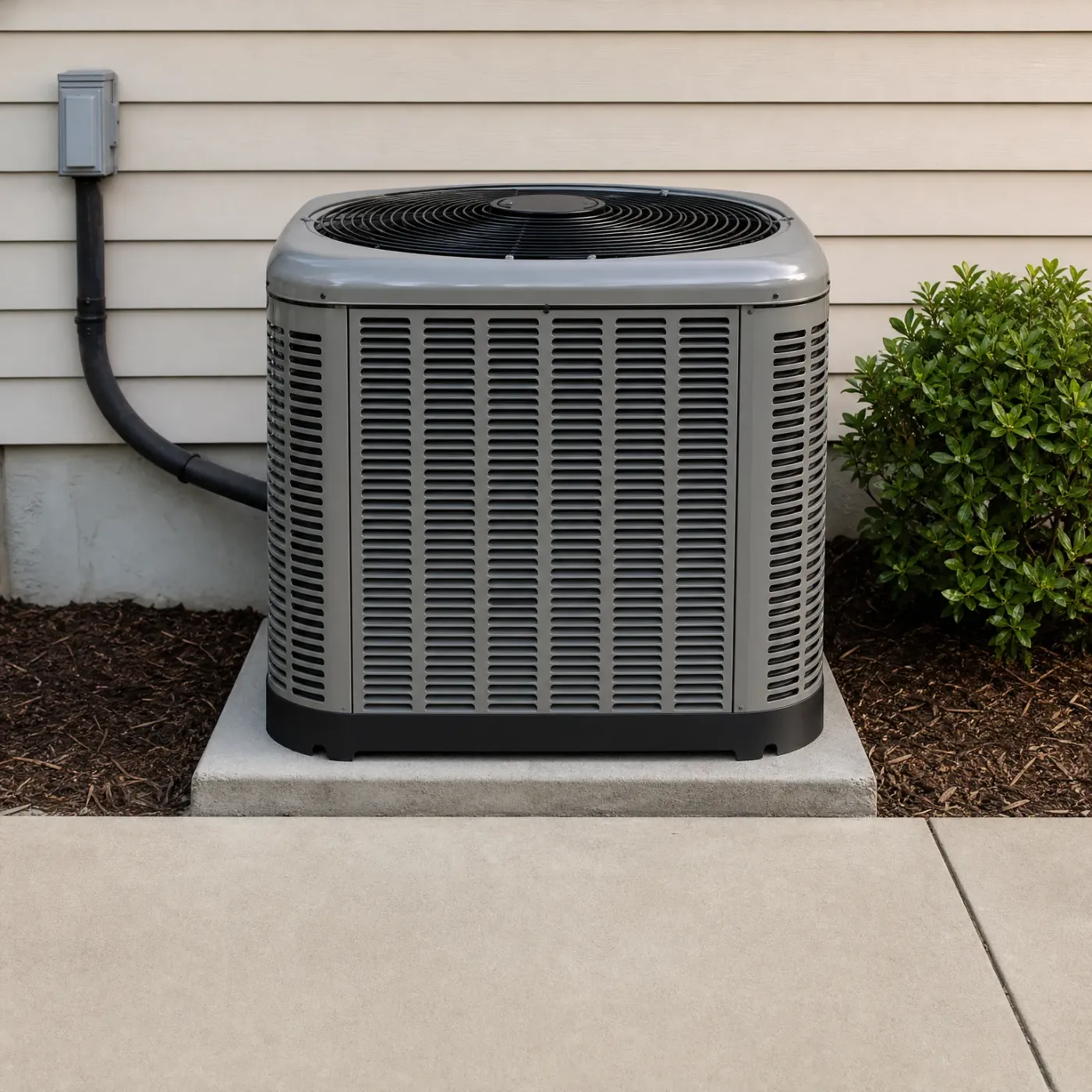
This is a condenser doing its job. The fan spins, the coil stays clear, the line set runs clean to the wall. Air moves through it the way it's built to, and the upstairs gets the cold air it's supposed to, even when the attic above it is baking.
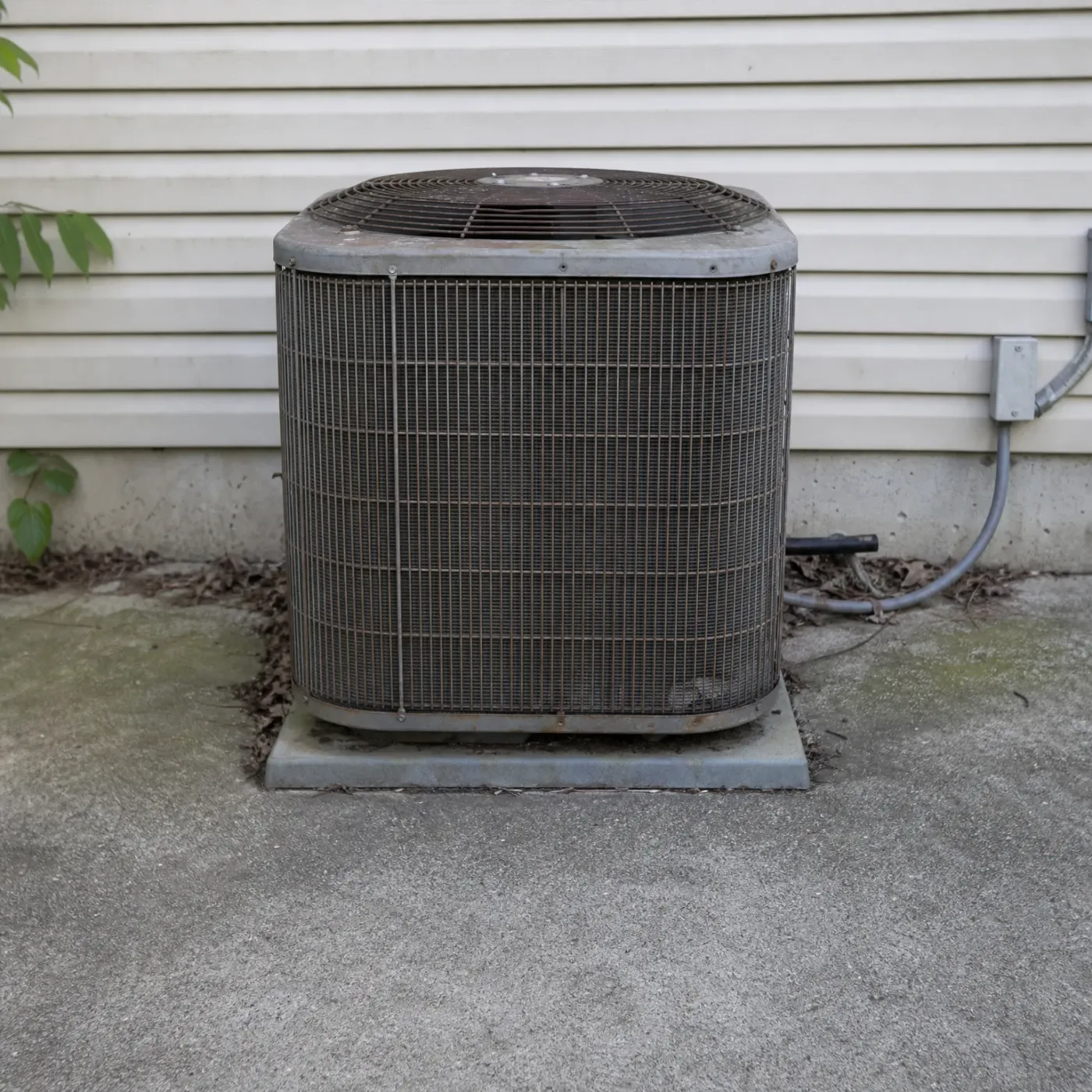
This unit is working against itself. Dirt and leaves have built up around the base and across the grille, so it can't pull air through the coil the way it needs to. A system choked like this struggles most on the hottest afternoons, right when the upstairs needs it working hardest.


Describe your air conditioner job once, to one pro.
Asking costs nothing, and the choice to hire stays yours.
Every duct run in the attic is a chance to lose cold air before it reaches a vent. The system makes cold air downstairs at the air handler, then has to push it through metal or flex duct that sits in the hottest part of the house all afternoon. By the time that air reaches a register at the far end of the upstairs hall, it has picked up heat from the attic around it and lost pressure along the way. A joint that isn't sealed tight pulls in attic air at 130 degrees or more and mixes it right into the supply before it ever reaches the room. A duct that got stepped on or crushed when someone ran new wiring cuts the airflow to whatever room it feeds, while every other vent in the house works fine, which is why one bedroom runs hot and the one next to it doesn't. The thermostat downstairs only knows what the air around it feels like. If the return is also downstairs, the system reads a comfortable number and shuts off, even though the upstairs never got enough air to catch up. None of this shows up as a strange noise or a smell. It shows up as a system that runs on schedule, cools the downstairs the way it's supposed to, and still leaves the upstairs rooms running warm every single evening.
At 14.74 cents a kilowatt-hour, every extra hour your system runs chasing that upstairs heat shows up on the bill. A unit working against a hot attic and a false thermostat reading just runs longer to do less.
EIA-861 2025 statewide residential average
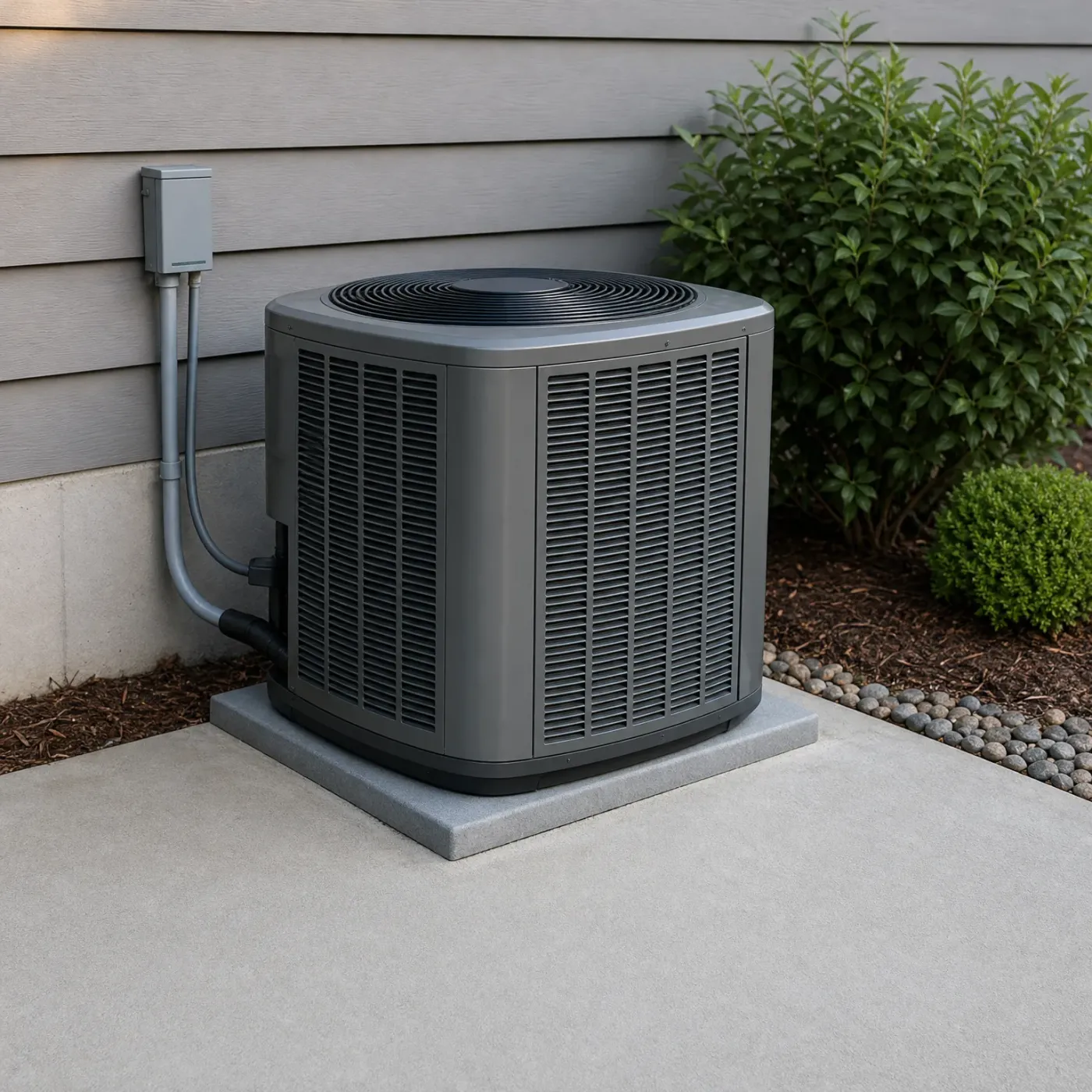
This is what a condenser looks like when it can keep up. The fan pulls air through the coil without anything blocking it, and the unit sits clean on its pad. Cold air gets where it's supposed to, upstairs included.
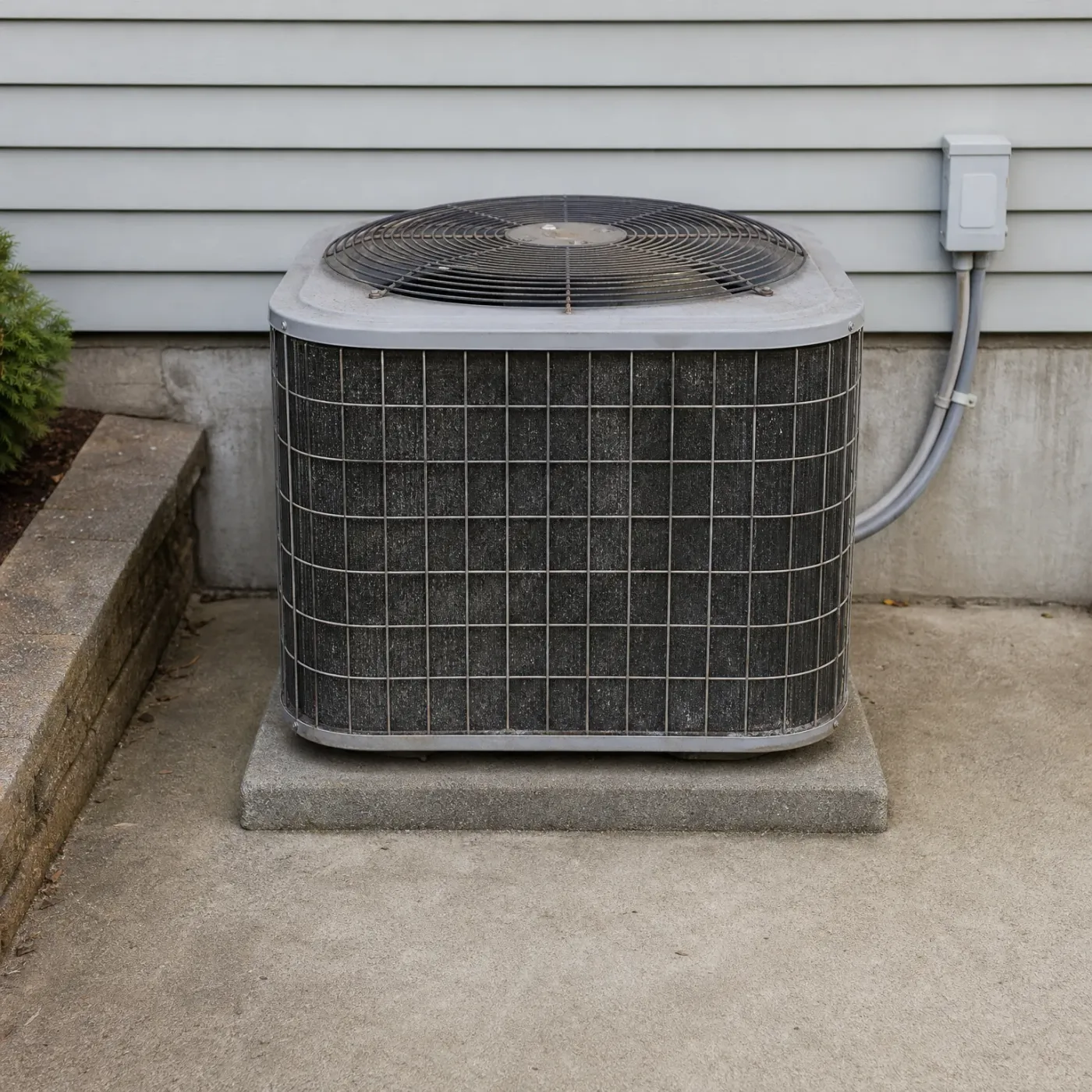
Same unit, same wall, but nothing is moving at the top. A condenser that isn't exhausting heat properly struggles most on the hottest afternoons, which is exactly when the upstairs needs it most. The rooms farthest from the thermostat lose out first.
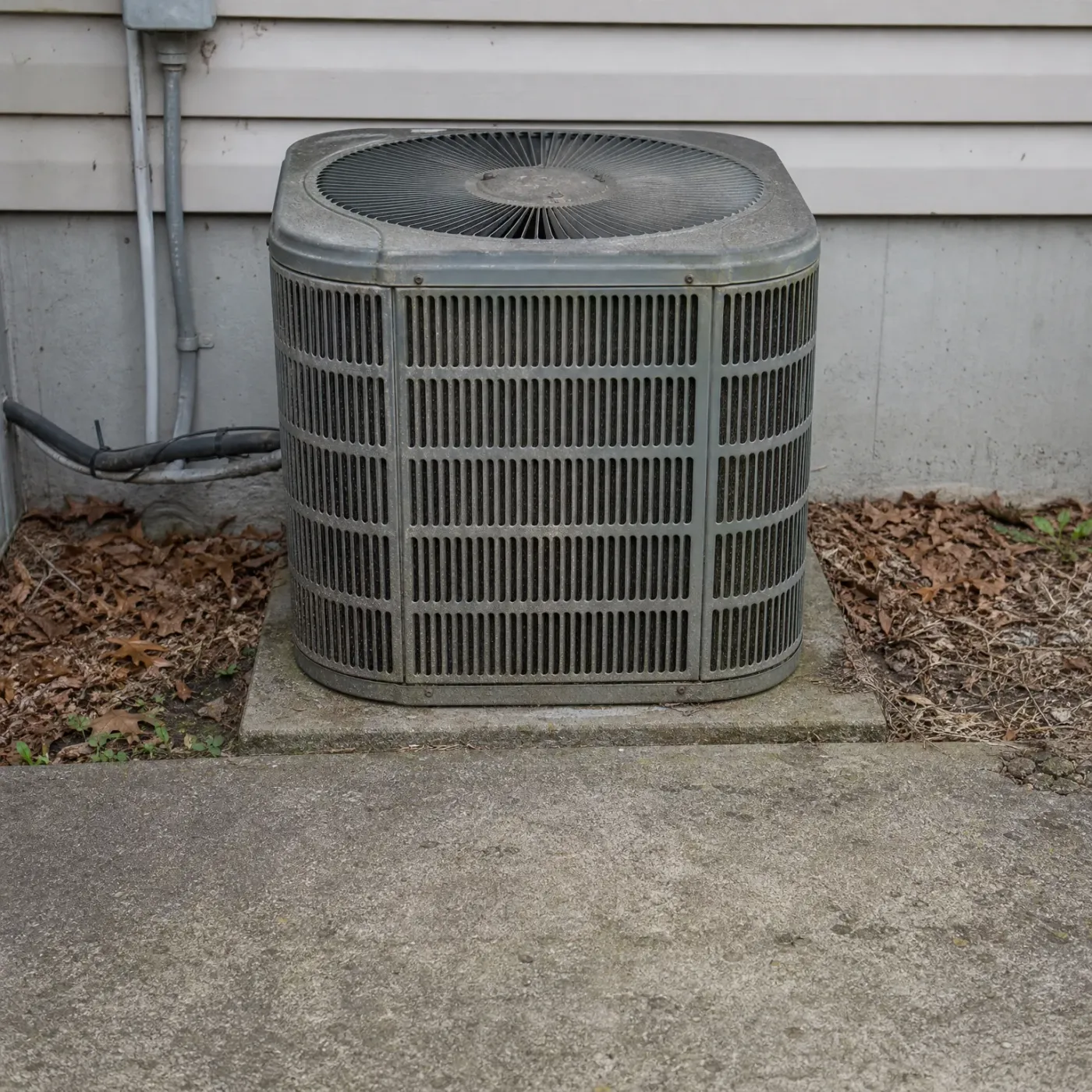
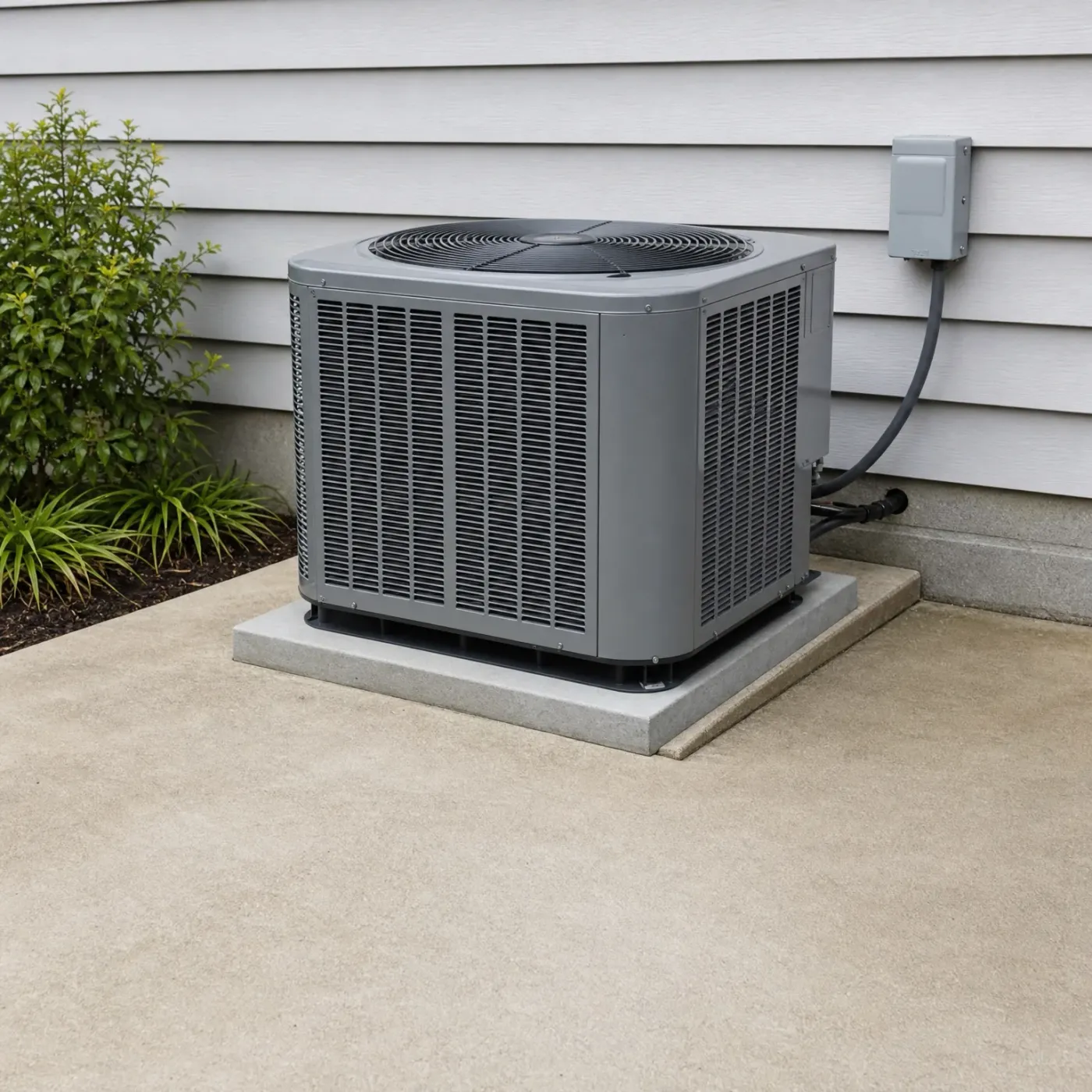
The dew point across Georgia averages 68°F through June, July and August, according to NOAA climate data. That's heavy air, the kind that makes 85 feel worse than it sounds. Your air conditioner isn't just cooling that air, it's wringing the moisture out of it first, and that takes more of its capacity than people realize. Upstairs, where heat already collects, a system working that hard to dry the air has less left to actually cool it. The result is a room that feels muggy and warm at the same time, even with the thermostat set right. If your upstairs stays sticky long after the air handler's been running, that's the moisture load talking, not just the heat.
NASA POWER T2MDEW county cells weighted by homes
The heat upstairs isn't bad luck and it isn't just how your house is. It's a hot attic pressing down, a thermostat downstairs reading the wrong room, ducts losing cold air before it reaches the vent. Those are things a contractor can find and fix, not something you manage with a box fan every July. Right now the work in front of you is finding someone licensed to look at it, which means searching around, calling a few companies, explaining the same upstairs problem three or four times, then sitting with quotes trying to tell them apart. Send the form and that part is done. You're not left chasing anyone down or repeating yourself to the next person who picks up the phone. Someone qualified gets matched to the job, and the rest, the diagnosis, the fix, the actual work, is between you and them. The hot upstairs bedroom isn't permanent. It's a system not doing what it's supposed to, and that's a problem with an answer.

No fee to send it, and nothing to sign.
You've already read the reasons. Sending the request means you stop being the one who has to track down a contractor, call a few, explain the upstairs problem each time, and sort through quotes. Someone else does that legwork from here.